Japan’s watchmaking story combines adaptation, industrial discipline and a distinctive respect for craft. From Edo-period wadokei clocks designed for changing seasonal hours to quartz, digital, solar and Spring Drive technology, Japanese makers repeatedly transformed the way watches are built, used and understood.
From seasonal time to modern hours
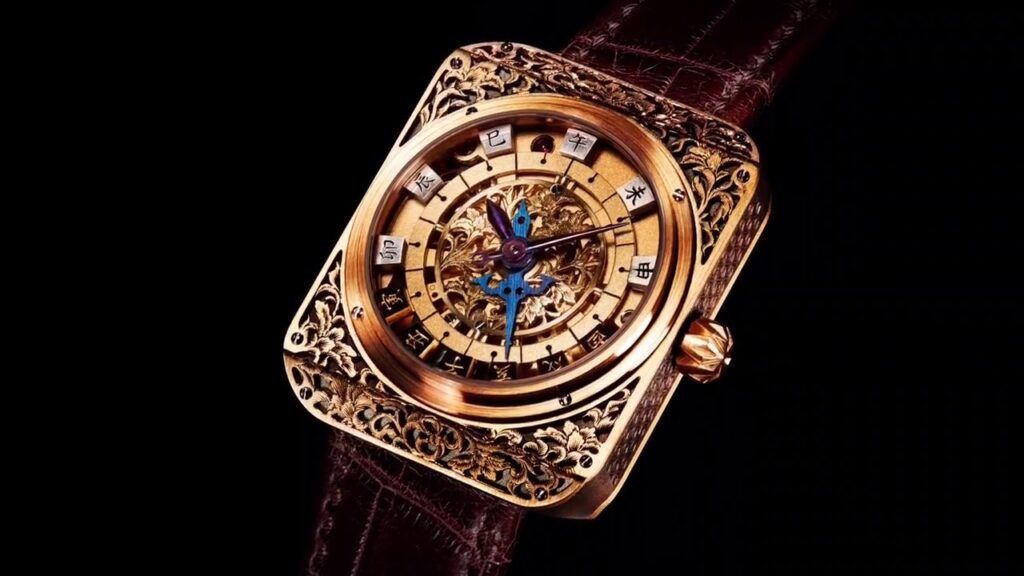
European mechanical clocks reached Japan in the sixteenth century. Japanese clockmakers adapted the imported technology to the seasonal time system, which divided daylight and darkness into six parts each. Because the length of these hours changed through the year, wadokei required adjustable markers or regulating mechanisms. Lantern clocks, pillar clocks and portable timepieces became technically inventive expressions of Edo-period life.
In 1873, during the Meiji era, Japan adopted the modern fixed-hour system. The change encouraged a new domestic clock and watch industry capable of serving railways, commerce, government and an increasingly industrial society.
Seikosha and the first Japanese wristwatch
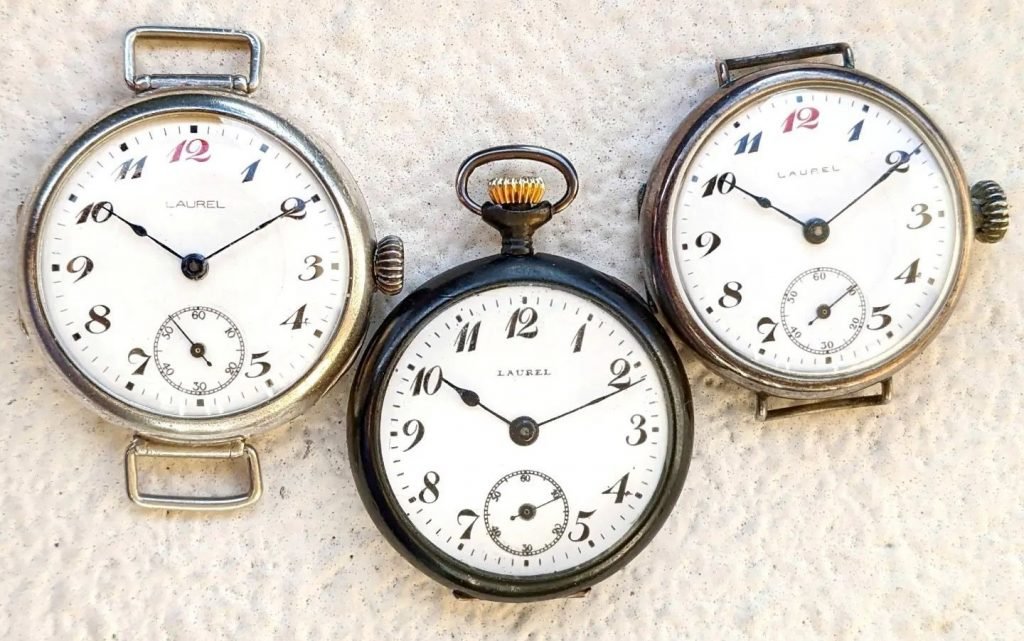
Kintaro Hattori opened his watch and clock business in Tokyo in 1881. He established the Seikosha factory in 1892, first producing clocks and later pocket watches. In 1913, the company introduced the Laurel, recognized as Japan’s first domestically produced wristwatch. Seikosha also supplied railway watches and helped establish domestic standards for reliable portable timekeeping.
Citizen, Orient and postwar growth
The Shokosha Watch Research Institute, founded in 1918, produced a Japanese pocket watch in 1924. Tokyo mayor Shinpei Goto named it Citizen to express the hope that it would be widely used. Citizen Watch Co. was formed in 1930 and later became known for mechanical watches, electronic innovation, titanium cases and Eco-Drive light-powered technology.
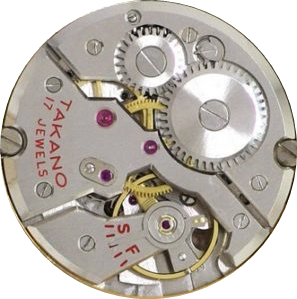
Orient began wristwatch production in 1950 and developed a strong reputation for dependable in-house mechanical movements. After the Second World War, Japanese manufacturers rebuilt rapidly, improved quality control and expanded exports. By the 1960s, Japanese watches were competing internationally in precision, durability and value.
Grand Seiko and precision watchmaking
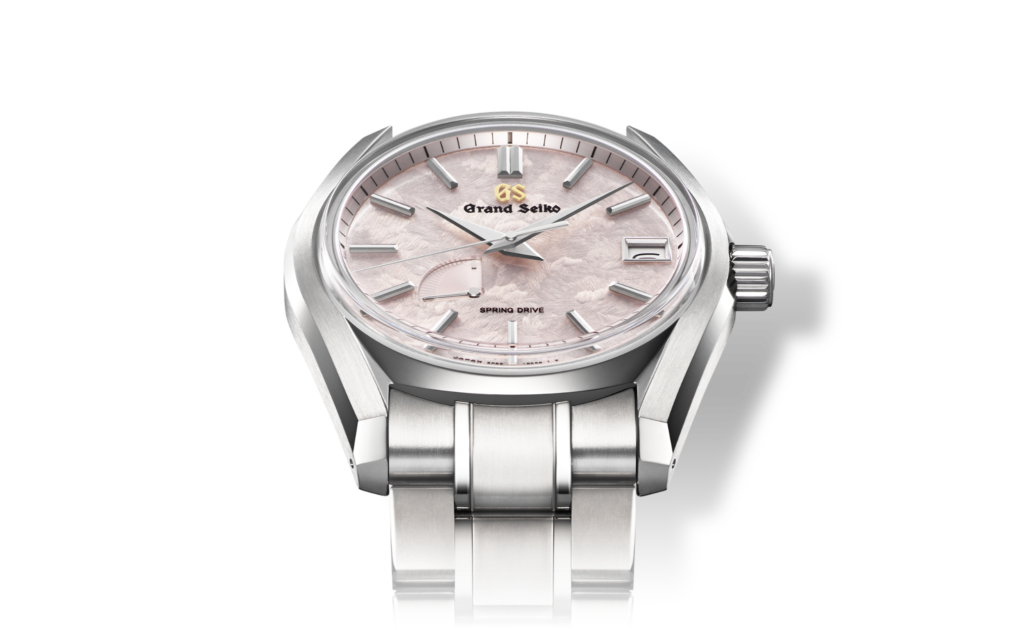
Grand Seiko debuted in 1960 with the goal of creating an ideal practical watch defined by precision, durability, legibility and beauty. High-beat mechanical calibers, strict testing and carefully finished cases established Japan as a serious producer of fine watches. Modern Grand Seiko combines mechanical, high-accuracy quartz and Spring Drive movements with dials and finishing inspired by Japanese landscapes, seasons and craft traditions.
The quartz revolution
On December 25, 1969, Seiko released the Quartz Astron 35SQ, the first commercially marketed quartz wristwatch. Its electronic oscillator offered accuracy far beyond conventional mechanical watches. As quartz movements became smaller and cheaper, Japanese mass production changed the global industry, expanded access to accurate timekeeping and contributed to the severe disruption commonly called the quartz crisis.
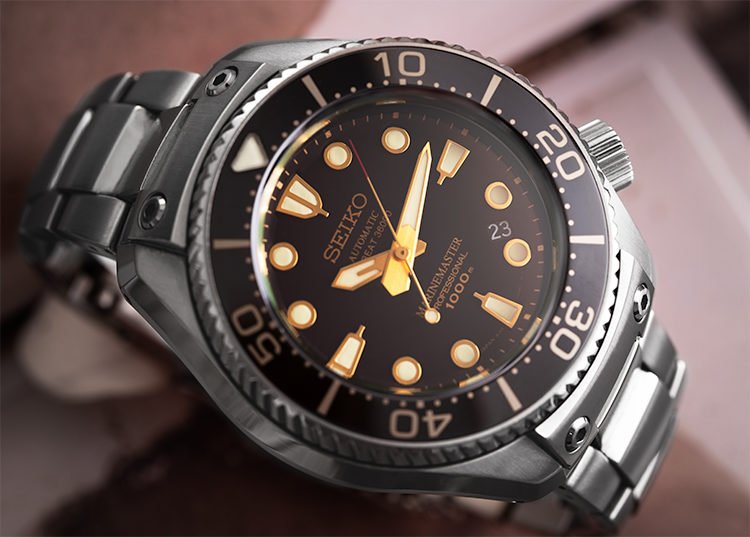
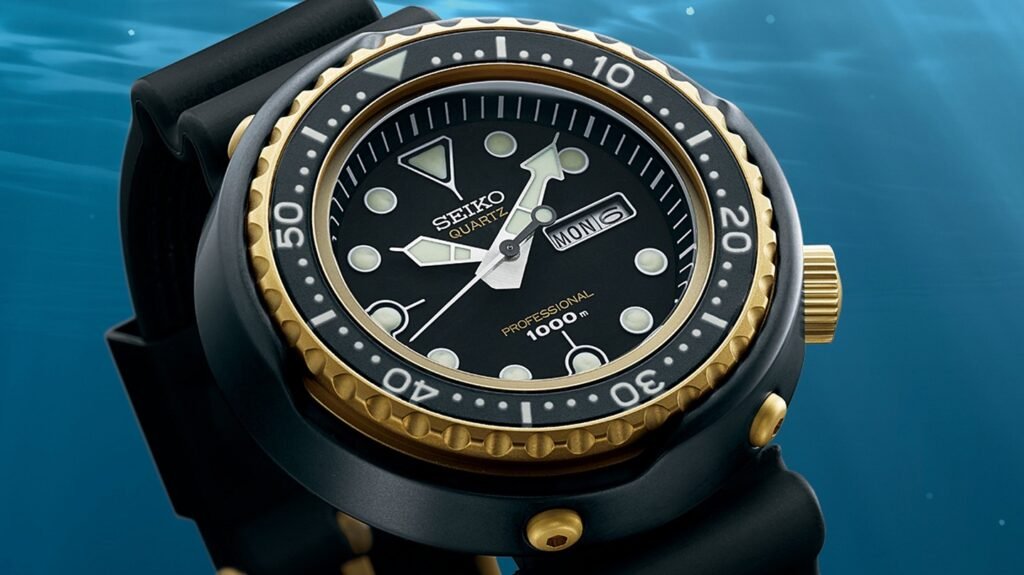
Japanese companies continued to develop multifunction digital watches, LCD displays, alarms, chronographs and advanced diving instruments. Quartz did not end Japanese mechanical watchmaking; instead, mechanical, electronic and hybrid technologies developed side by side.
Casio and the watch as an electronic instrument
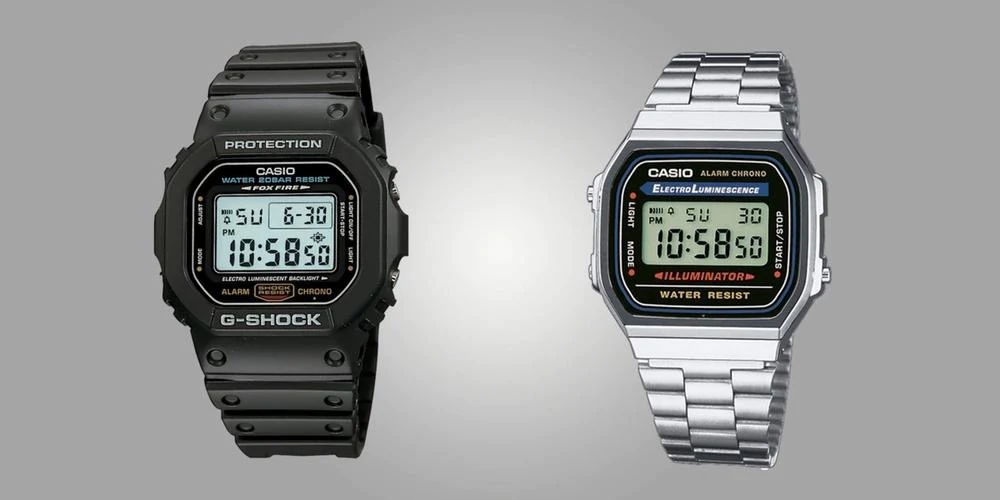
Casio entered watchmaking with the Casiotron in 1974, a digital watch with an automatic calendar. In 1983 it launched the first G-Shock, the DW-5000C, developed around a shock-resistant structure. G-Shock helped redefine the wristwatch as rugged equipment, while later Casio models incorporated calculators, sensors, radio control, solar charging, GPS and smartphone connectivity.
Spring Drive and contemporary Japanese craft
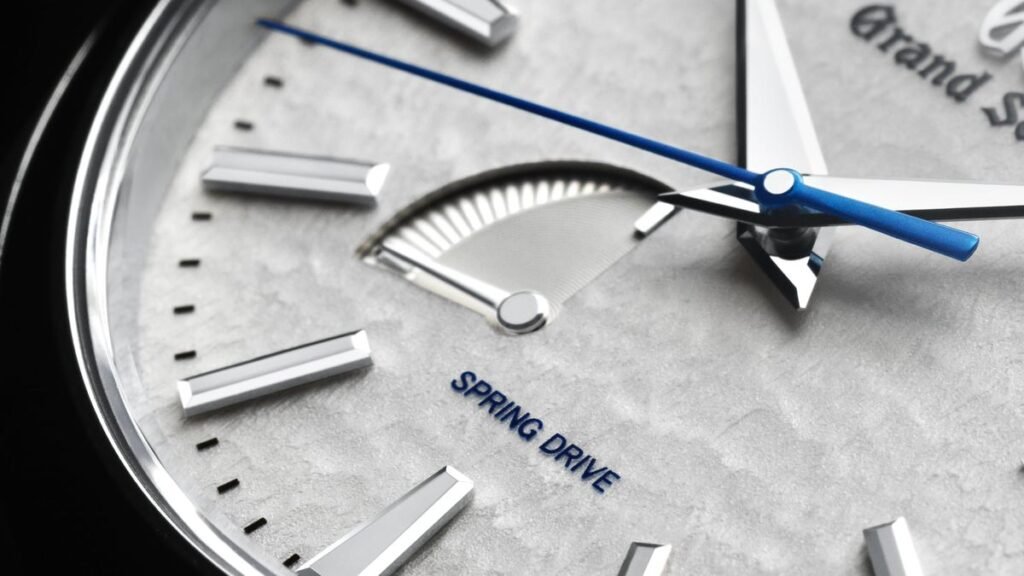
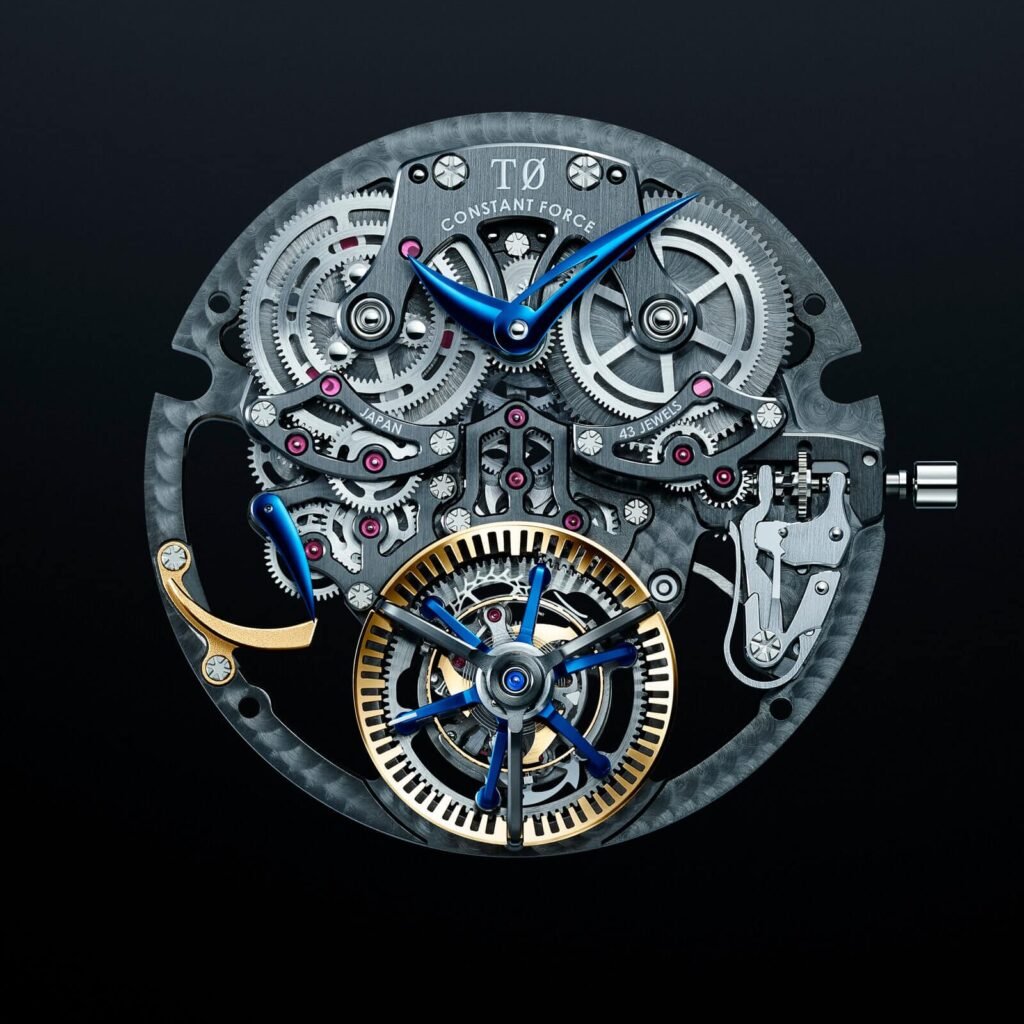
Seiko introduced Spring Drive in 1999 after decades of development. The system is powered by a mainspring but regulated electronically through a quartz oscillator and integrated circuit. It produces high accuracy and a smooth gliding seconds hand without a conventional escapement. Grand Seiko introduced an automatic Spring Drive caliber in 2004.
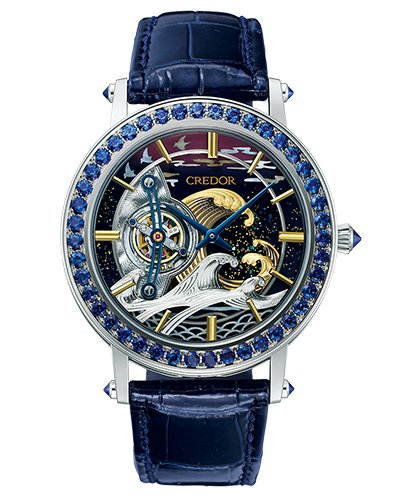
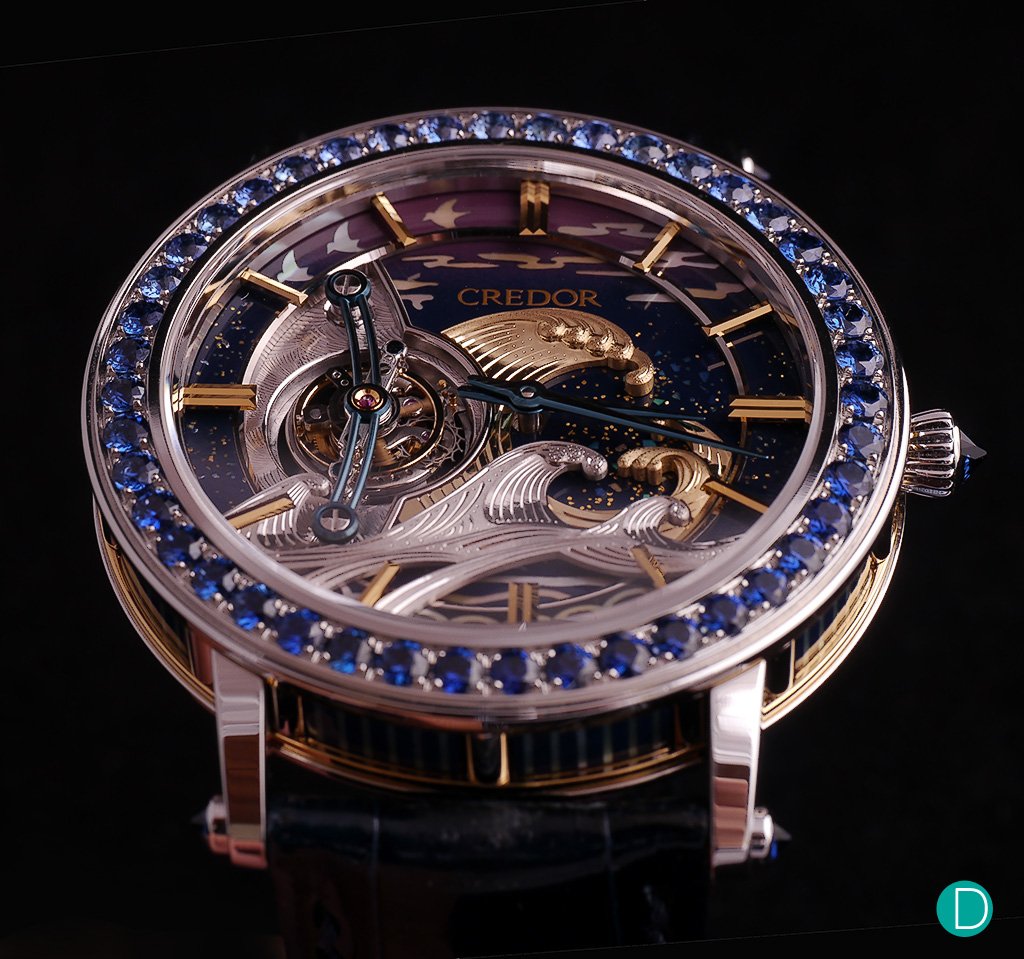
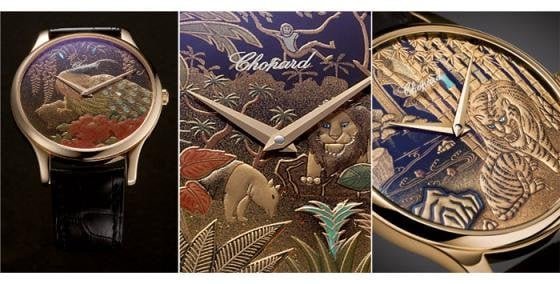
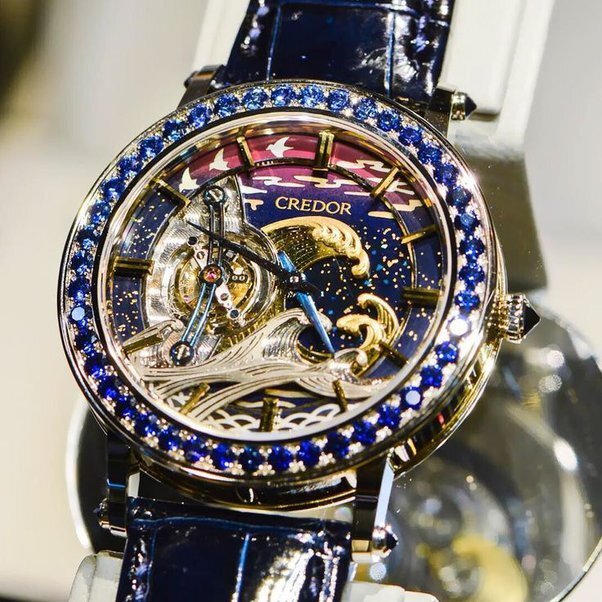
At the highest level, Grand Seiko and Credor combine advanced movements with hand finishing, engraving, lacquer, porcelain, precious metals and other decorative arts. Credor’s Micro Artist Studio demonstrates how Japanese watchmaking now ranges from accessible everyday instruments to internationally respected haute horlogerie.
Why Japanese watchmaking matters
Japanese watchmaking cannot be reduced to the quartz revolution. Its history includes traditional clocks, industrial manufacture, mechanical chronometry, professional diving watches, digital instruments, solar power and contemporary artisanal finishing. The country’s most enduring contribution is the integration of reliable engineering with continuous experimentation.
Milestones
1551 — One of the earliest recorded European mechanical clocks is presented in Japan.
1873 — Japan adopts the fixed-hour system.
1881 — Kintaro Hattori opens his Tokyo business.
1892 — The Seikosha factory is established.
1913 — The Laurel becomes Japan’s first domestically produced wristwatch.
1918 — The institute that precedes Citizen is founded.
1924 — The first Citizen-named pocket watch appears.
1950 — Orient begins wristwatch production.
1960 — The first Grand Seiko is released.
1969 — Seiko launches the Quartz Astron and the automatic Speedtimer chronograph.
1974 — Casio introduces the Casiotron; Credor is launched.
1983 — Casio releases the first G-Shock.
1999 — Seiko introduces Spring Drive.
2004 — Grand Seiko introduces its automatic Spring Drive caliber.
Sources and further reading
The Seiko Museum Ginza — Traditional Japanese Clocks: https://museum.seiko.co.jp/en/knowledge/relation_15/
Japan Clock and Watch Association — History of the Japanese Horological Industry: https://www.jcwa.or.jp/en/etc/history01.html
Seiko Watch Corporation — Our Heritage: https://www.seikowatches.com/us-en/special/heritage
Citizen Watch — History: https://www.citizenwatch-global.com/the-citizen/about/history.html
Casio — Watch History: https://www.casio.com/intl/watches/Heritage/1970s/
Orient — Milestones: https://orient-watch.com/en/orient/special/75th-anniversary/milestone/
Grand Seiko — History of Spring Drive: https://www.grand-seiko.com/instructions/html/GS_9R01_en/GOUMSYhtimjjif
Credor — History: https://www.credor.com/en/about/history/