Human beings first measured time by watching the sky, the Sun and the changing seasons. Over thousands of years, timekeeping moved from Egyptian calendars and shadow clocks to mechanical gears, portable watches, quartz oscillators, satellite signals and computers worn on the wrist. This visual timeline follows the major turning points while recognizing that inventions often developed gradually and that some “firsts” remain debated.
Egypt’s civil calendar
By the middle of Egypt’s Old Kingdom, a civil calendar of twelve 30-day months was in use. Five additional days completed a 365-day year. The calendar connected administration, agriculture and religious observance to the annual cycle of the Nile.
Legacy: organized the year
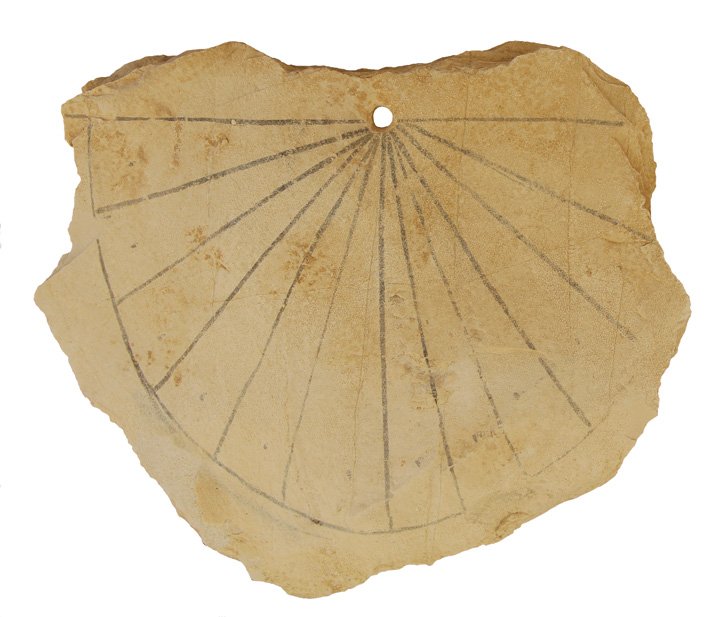
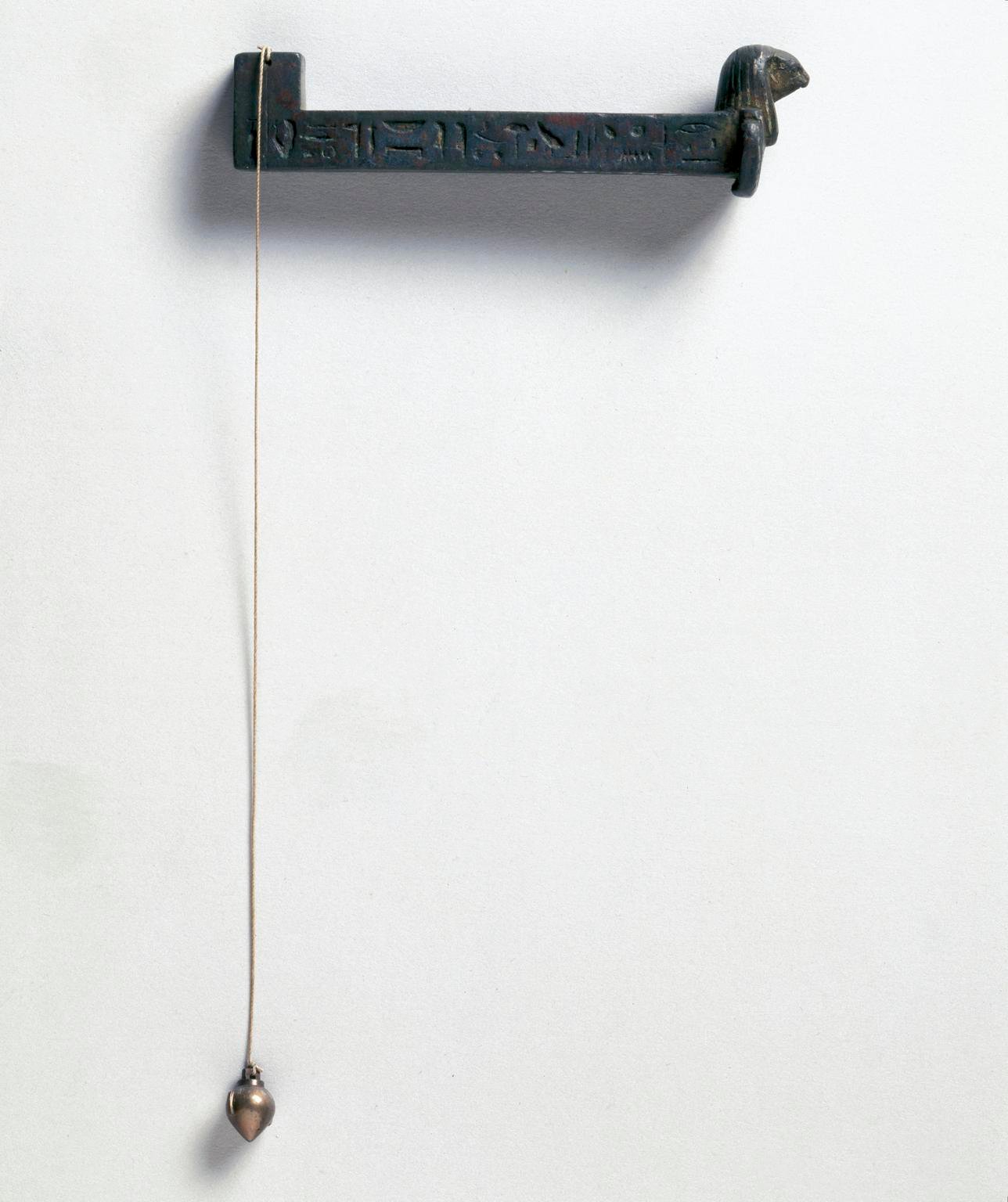
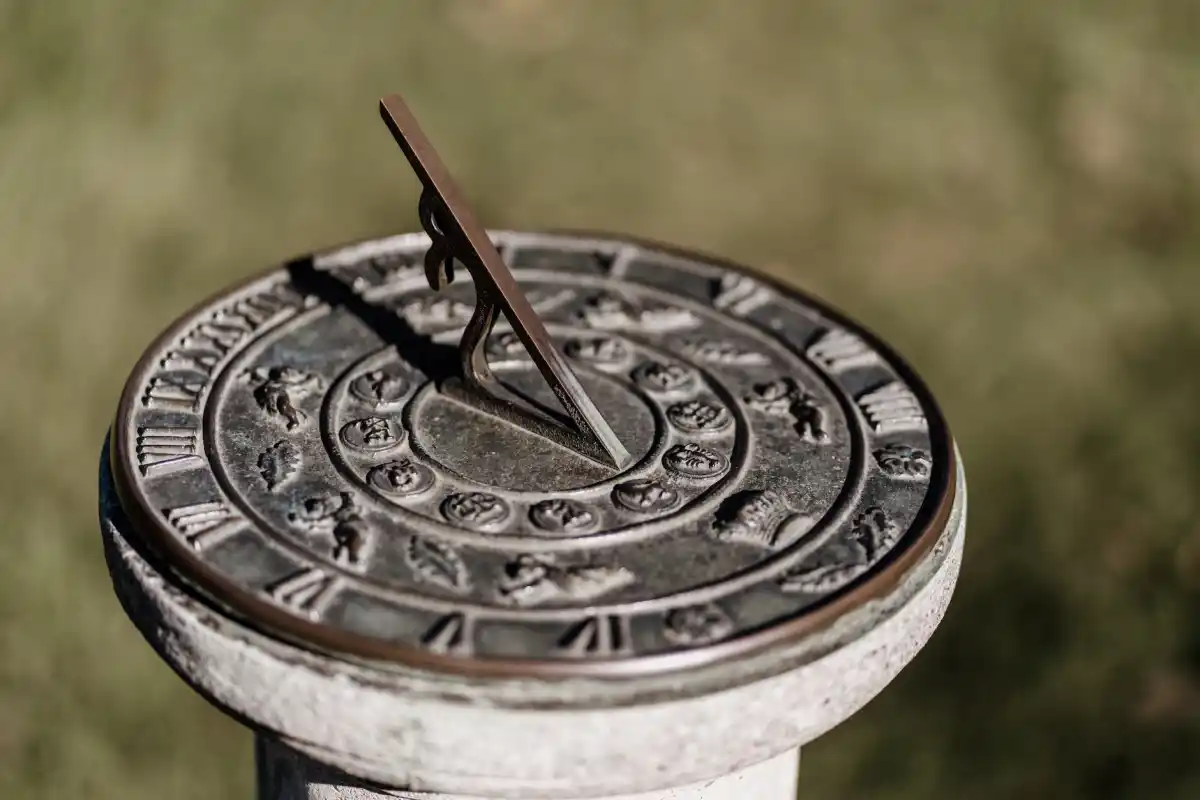
Shadow clocks, sundials and water clocks
New Kingdom evidence documents sundials, portable shadow clocks and water clocks. Egyptians divided daylight and night into twelve seasonal hours each. Water clocks could measure time after sunset, while star groups known as decans helped structure the night.
Legacy: divided the day and night
Europe’s early mechanical clocks
Weight-driven mechanisms with escapements began appearing in European towers and religious institutions. These large machines did not initially need dials; bells announced canonical hours. Their key achievement was allowing a mechanism—not the Sun or flowing water—to regulate time.
Legacy: time became mechanical
Spring power makes clocks portable
Replacing a hanging weight with a wound mainspring allowed clocks to shrink. Small table clocks and early wearable timekeepers appeared during the Renaissance. They were expensive status objects and often displayed only the hour, but they began the long transition from public clocks to personal time.
Legacy: the clock leaves the tower
Pendulums and balance springs transform precision
Christiaan Huygens patented a practical pendulum clock in 1656 and later developed a spiral balance spring for watches. Robert Hooke also pursued spring-regulated watch designs. The balance spring made the oscillation of a watch balance far more regular and dramatically improved portable timekeeping.
Legacy: precision becomes portable
Marine chronometers solve longitude
John Harrison’s sea clocks demonstrated that a sufficiently stable timekeeper could help determine longitude by comparing local solar time with the time at a known reference meridian. Later makers such as John Arnold and Thomas Earnshaw simplified and refined marine chronometers for wider naval use.
Legacy: accurate navigation across oceans
American mass production
At Waltham, watchmakers redesigned movements for machine production and increasingly interchangeable parts. Factory organization reduced cost and expanded output. The “American system” influenced watch manufacturing internationally, even though full interchangeability took decades to achieve.
Legacy: reliable watches for a mass market
Railroad watches and standardized time
Railways required dependable watches, regular inspection and agreed time standards. After serious accidents highlighted the danger of inconsistent timekeeping, railroad-grade specifications and inspection systems became increasingly strict. American makers including Hamilton, Illinois, Elgin, Howard and Waltham became closely associated with railroad service.
Legacy: accuracy became a public-safety system
The wristwatch emerges
Bracelet watches existed earlier, especially as jewelry, but practical wristwatches expanded around the turn of the twentieth century. Aviators, soldiers and other users valued reading the time without reaching for a pocket watch. World War I accelerated men’s adoption and helped normalize the wristwatch after the war.
Legacy: time moves from pocket to wrist
Automatic winding
John Harwood patented an early practical self-winding wristwatch system in 1923, with commercial models following in the mid-1920s. Other makers developed rotor systems that used wrist motion to wind the mainspring. Automatic winding joined water resistance and shock protection as a defining feature of the modern mechanical wristwatch.
Legacy: daily motion powers the watch
Electric and tuning-fork watches
Hamilton introduced the battery-powered Electric 500 in 1957. In 1960, Bulova’s Accutron replaced a conventional balance with a vibrating tuning fork and electronic circuit, producing its characteristic hum and smooth seconds hand. These watches bridged traditional mechanics and solid-state electronics.
Legacy: electricity enters the wristwatch
The quartz revolution
Seiko released the Quartz Astron on December 25, 1969, the first commercial quartz wristwatch. A quartz crystal oscillating electronically delivered far greater everyday accuracy than most mechanical watches. Falling production costs soon made quartz watches widely affordable and reshaped the global industry.
Legacy: precision becomes inexpensive
Digital displays and solar power
Electronic watches began displaying time directly with LEDs and then energy-efficient LCDs. Hamilton’s Pulsar helped popularize the digital wristwatch in 1972. Calculator functions, alarms, stopwatches and multiple time zones followed. In 1977, Seiko introduced a solar-powered watch, pointing toward reduced dependence on disposable batteries.
Legacy: the watch becomes an electronic instrument
Independent mechanical watchmaking thrives
Alongside electronics, independent makers renewed interest in hand finishing, unusual escapements, astronomical displays and small-scale production. The work of figures such as George Daniels helped prove that mechanical horology could remain an inventive art. Today, historic maisons and modern independents develop mechanical watches not merely as time tools, but as expressions of engineering, craft and culture.
Legacy: centuries-old craft continues to innovate
Radio-controlled and GPS-connected watches
Consumer radio-controlled watches synchronized to national time broadcasts while using quartz between signals. GPS later allowed watches to derive highly accurate time from satellite-based atomic clocks and, in advanced models, identify the local time zone. Seiko launched its GPS Solar Astron in 2012.
Legacy: the wrist connects to atomic time
Smartwatches expand the meaning of a watch
Connected watches combine timekeeping with communication, navigation, payments, health sensors and software applications. The Apple Watch reached consumers in 2015 and helped establish the smartwatch as a mainstream category. Its displayed time ultimately traces back through networks synchronized to atomic standards.
Legacy: timekeeping becomes a digital platform
How to read this timeline
Horological history is rarely a single straight line. Similar ideas were often explored by several makers, and prototypes frequently appeared before successful commercial products. Dates labeled with “c.” are approximate; broad date ranges show gradual adoption rather than one undisputed invention.
Sources and further reading
- The Metropolitan Museum of Art — Telling Time in Ancient Egypt
- Smithsonian Lemelson Center — Invention, Time, and Navigation
- National Museum of American History — Mechanizing Time
- National Museum of American History — Hamilton Model 950 Railroad Watch
- NIST — A Brief History of Atomic Time
- NIST — Radio-Controlled Timekeeping FAQ
- Seiko — Astron History
- Seiko — Our Heritage
- Apple Newsroom — Apple Watch availability, 2015