Origins and period
Paris, France; manufacture now in the Vallée de Joux, Switzerland
Founded by Abraham-Louis Breguet in 1775
Abbady Watches A–Z archive · Research page
This page has been created in the permanent archive and is ready for verified history, watch photographs, model identification, and collector information.
Abbady photographic archive
Archive photographs are captioned only from details visible in the image. Exact references and production dates remain open until case, movement, and serial markings can be compared.
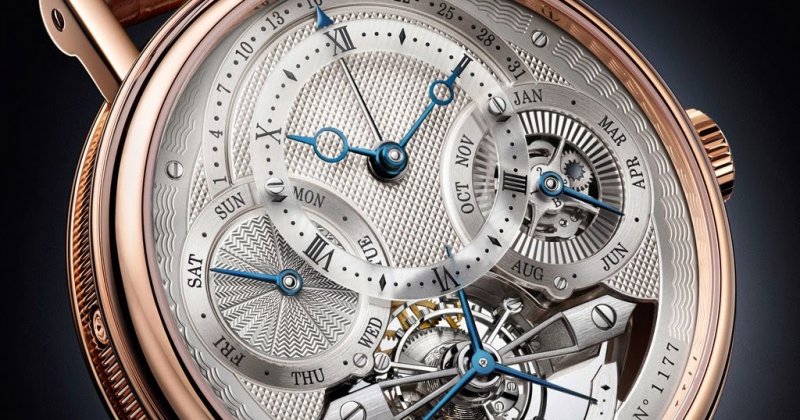
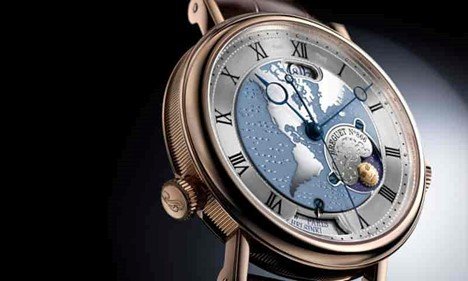
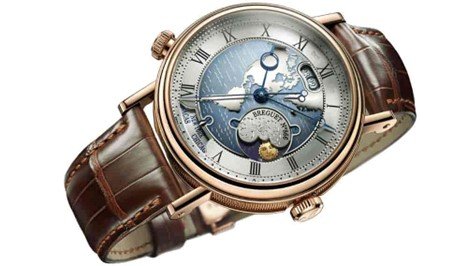
Paris, France; manufacture now in the Vallée de Joux, Switzerland
Founded by Abraham-Louis Breguet in 1775
Abraham-Louis Breguet established his Paris workshop in 1775 and became one of history’s most influential watchmakers. His work advanced automatic winding, shock protection, repeating watches, precision regulation, and the tourbillon, while a commission for Caroline Murat produced an early purpose-designed wristwatch.
The tourbillon patent of 1801, perpétuelle automatic watches, the pare-chute, Breguet hands and numerals, Classique, Marine, Type XX, and the Queen of Naples wristwatch tradition.
Calibres, escapements, case construction, water resistance, electronic or quartz development, manufacturing methods, patents, and specialist suppliers.
Service considerations, originality, replacement parts, water-resistance assumptions, safe storage, and details that should be documented before restoration.
Official manufacturer history, museum or archive sources, technical sheets, books, catalogues, advertisements, image credits, and provenance notes.