Origins and period
London, England
Thomas Earnshaw, 1749–1829; modern brand uses his name
Abbady Watches A–Z archive · Research page
This page has been created in the permanent archive and is ready for verified history, watch photographs, model identification, and collector information.
Abbady photographic archive
Archive photographs are captioned only from details visible in the image. Exact references and production dates remain open until case, movement, and serial markings can be compared.
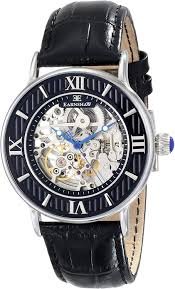
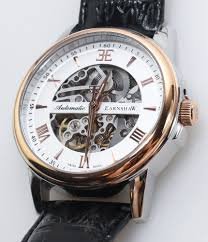
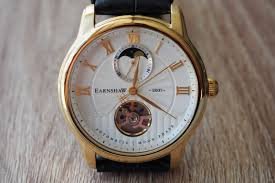
London, England
Thomas Earnshaw, 1749–1829; modern brand uses his name
Thomas Earnshaw was an English watchmaker whose spring-detent escapement helped make marine chronometers simpler and more practical to produce. His historical importance belongs to precision navigation and longitude measurement; watches sold today under the Thomas Earnshaw name are a later brand tribute rather than the continuation of his original workshop.
Spring-detent marine chronometers, longitude navigation, precision pocket watches, historical rivalry with John Arnold, and modern watches bearing the Earnshaw name.
Calibres, escapements, case construction, water resistance, electronic or quartz development, manufacturing methods, patents, and specialist suppliers.
Service considerations, originality, replacement parts, water-resistance assumptions, safe storage, and details that should be documented before restoration.
Official manufacturer history, museum or archive sources, technical sheets, books, catalogues, advertisements, image credits, and provenance notes.