Origins and period
Grenchen, Switzerland
Founded 1912
Abbady Watches A–Z archive · Research page
This page has been created in the permanent archive and is ready for verified history, watch photographs, model identification, and collector information.
Abbady photographic archive
Archive photographs are captioned only from details visible in the image. Exact references and production dates remain open until case, movement, and serial markings can be compared.
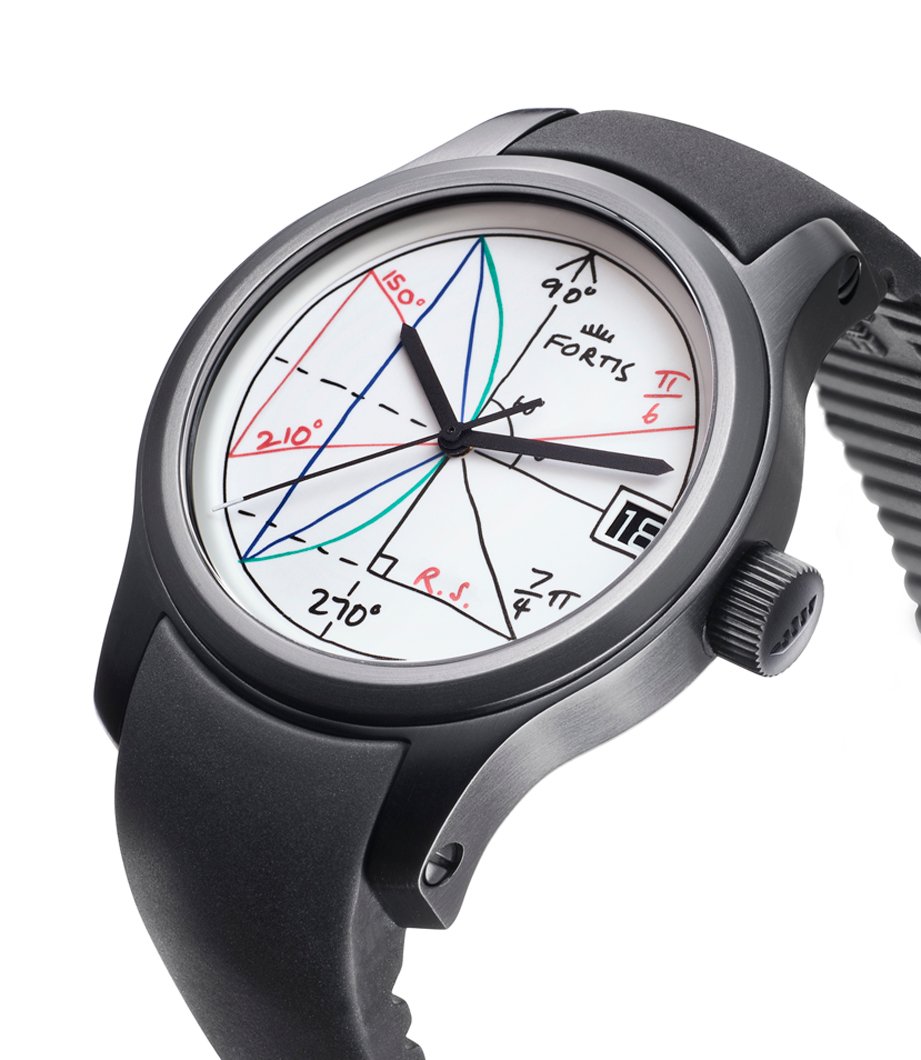


Grenchen, Switzerland
Founded 1912
Walter Vogt founded Fortis with the goal of producing innovative Swiss watches at accessible prices.
Early automatic wristwatches, aviation watches, space-tested models, and rugged tool watches.
Calibres, escapements, case construction, water resistance, electronic or quartz development, manufacturing methods, patents, and specialist suppliers.
Service considerations, originality, replacement parts, water-resistance assumptions, safe storage, and details that should be documented before restoration.
Official manufacturer history, museum or archive sources, technical sheets, books, catalogues, advertisements, image credits, and provenance notes.