From sixteenth-century mechanical clocks and ingenious wadokei to quartz precision and global leadership.
From the Abbady Watches image archive
Object history
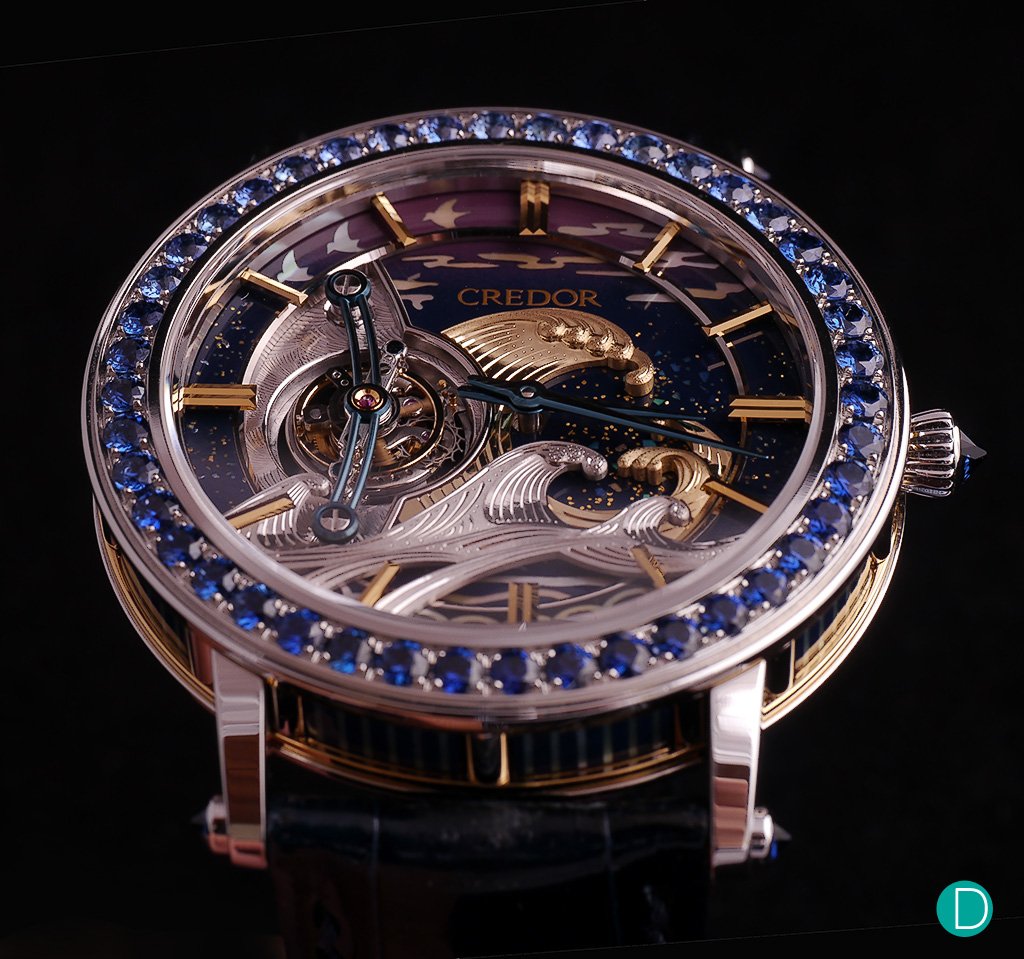
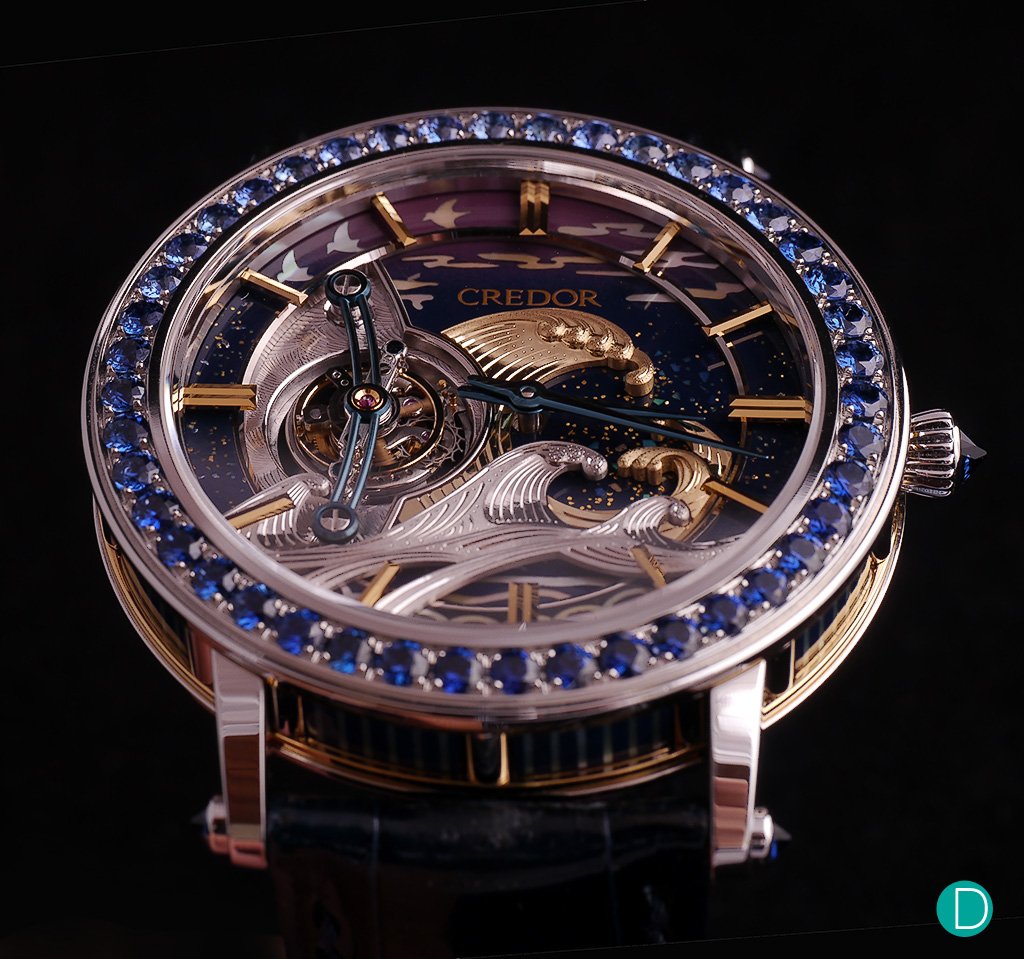
The pictured watch: an ornate Credor mechanical watch
Credor, established in 1974, represents Seiko’s artistic and high-watchmaking tradition, combining Japanese aesthetics, precious materials, hand decoration, and mechanical or Spring Drive movements.
Identification noteThe archive image is catalogued as Credor and shows the decorative craftsmanship associated with the marque. Its exact model and calibre remain unconfirmed until the caseback and reference number are documented.
Credor established
1974
Name origin
Crête d’or — crest of gold
Tradition
Japanese fine watchmaking
Decoration
Engraving and ornamental metalwork
Movement
Mechanical appearance; calibre unconfirmed
Reference status
Exact number not yet confirmed
Credor within Japanese watchmaking
Credor was created in 1974 as a home for refined watches that could express Japanese beauty and advanced watchmaking at the highest level. Its name derives from the French expression crête d’or, or crest of gold. Credor has encompassed quartz, mechanical, and Spring Drive watches, connected by proportion, precious materials, exceptional finishing, and specialist artisanship.
Artisanship as part of the mechanism
Credor has incorporated engraving, lacquer, mother-of-pearl, porcelain, and other traditional or art-led techniques. On highly decorated watches, the dial, bridges, bezel, and case become a unified composition rather than separate functional parts. The pictured watch belongs visually to this approach, presenting the movement as both architecture and decoration.
The Japanese pursuit of thinness
Thin dress watches form an important strand of Seiko and Credor history. Credor’s Calibre 68 family, produced at the Shizukuishi Watch Studio, is only 1.98 millimetres thick and descends from Seiko’s ultra-thin mechanical research. That specific calibre should not be assigned to the pictured watch without a reference number, but it demonstrates the technical ambition behind the marque.
How to identify this watch
The first priority is the reference engraved on the caseback. Credor references can lead to the original model family, case material, movement type, dimensions, and production information. Clear photographs of the caseback, clasp, crown, and movement can also distinguish factory decoration from later customization.
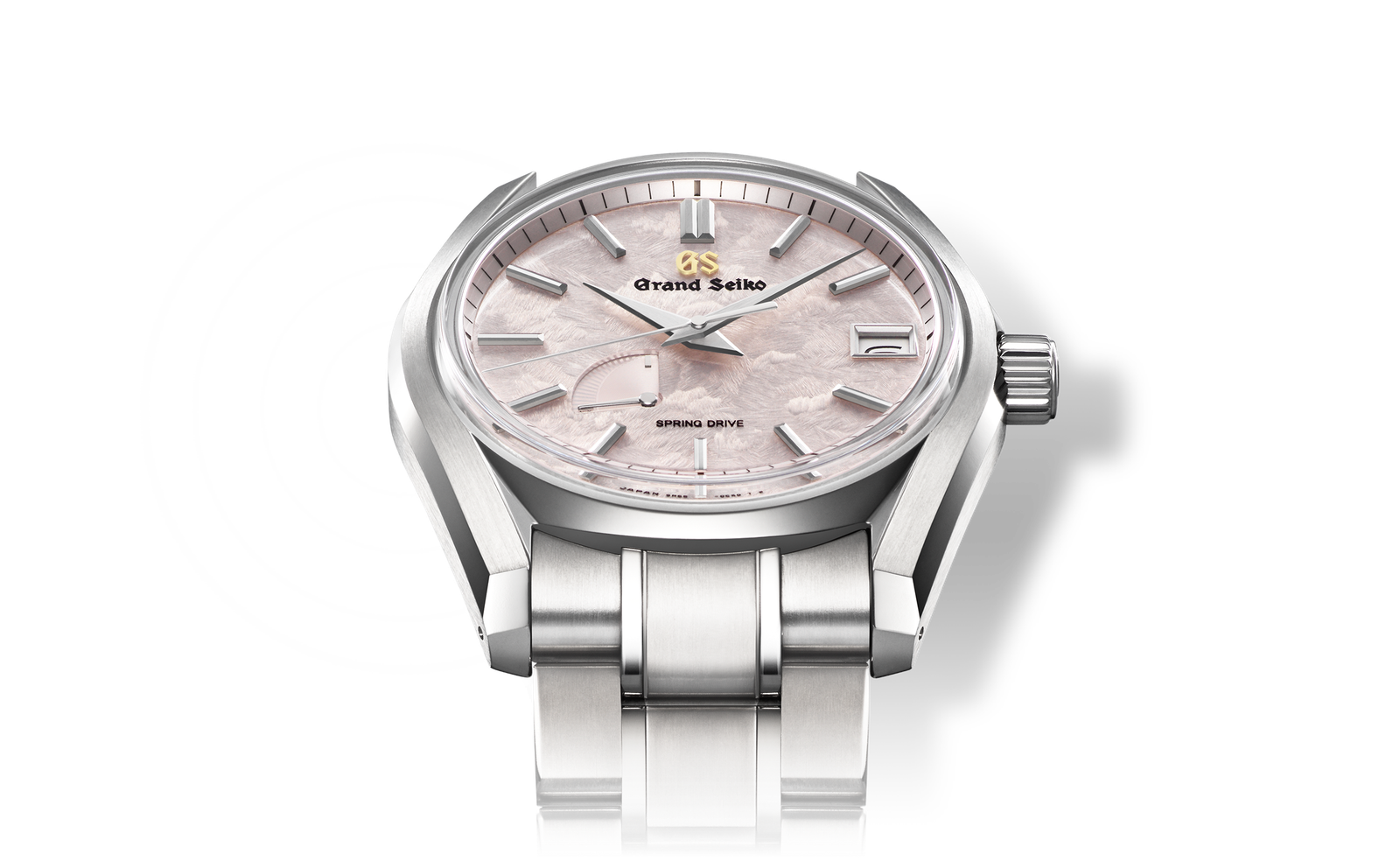
Spring Drive combines mechanical energy and electronic regulation in a distinctly Japanese approach to precision.
Collector’s checklist
What to document and preserve
Handle engraved and mirror-polished surfaces only with clean gloves or a soft cloth.
Do not use liquid cleaner on lacquer, painted, or applied decorative surfaces.
Document the case reference before requesting valuation or service.
Use a specialist familiar with Credor and high-grade Seiko movements.
Credor treats engraving, gemstone setting, movement architecture, and Japanese artistic imagery as one composition.
Wadokei adapted to unequal seasonal hoursModern production began in the Meiji eraJapan became a quartz-technology leader
The arrival of mechanical time
Mechanical clocks reached Japan through European missionaries. Japanese makers adapted them to the country’s traditional seasonal system.
The art of wadokei
Edo-period clocks were technically distinctive and highly ornamented, sometimes combining calendars, alarms, and chimes.
Industry, recovery, and quartz
Postwar research and electronics brought the decisive shift to quartz, solar, and wearable timekeeping.
Archive note
This chronicle was edited from documents in the Abbady Watches research collection. It is an independent historical reference that will continue to be reviewed and expanded.