German Industrial Watchmaking Since 1822
Kienzle
Kienzle began in 1822 as Johannes Schlenker’s clockmaking workshop in Schwenningen. The enterprise expanded dramatically under Jakob Kienzle, combining mechanised production with accessible prices and becoming one of Germany’s best-known makers of clocks, pocket watches, wristwatches and instrument timepieces.
Abbady photographic archive
Kienzle photographs
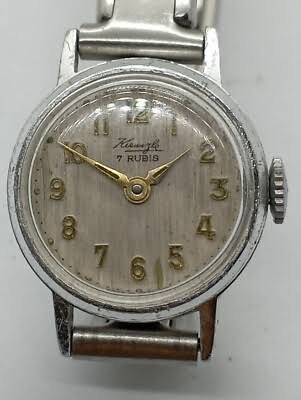
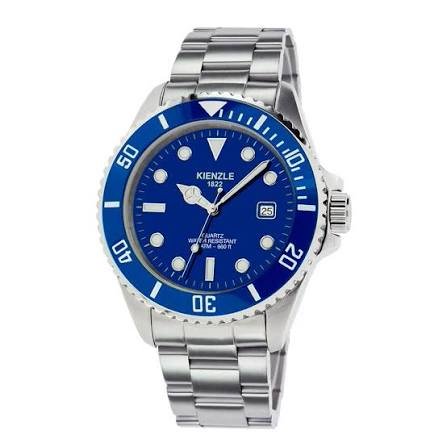
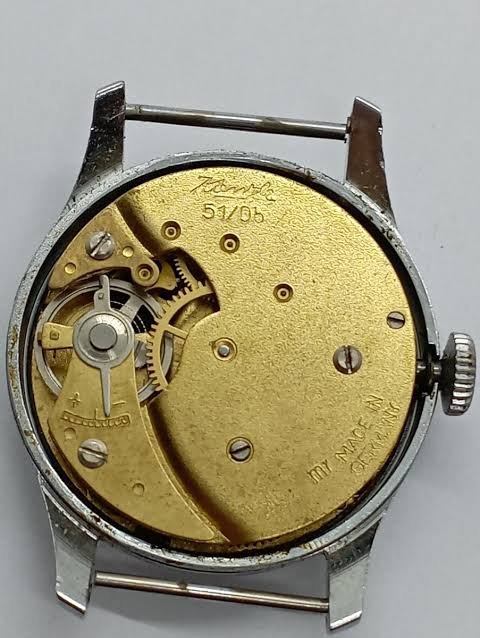
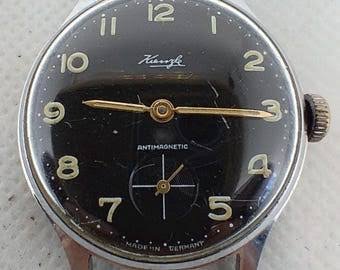
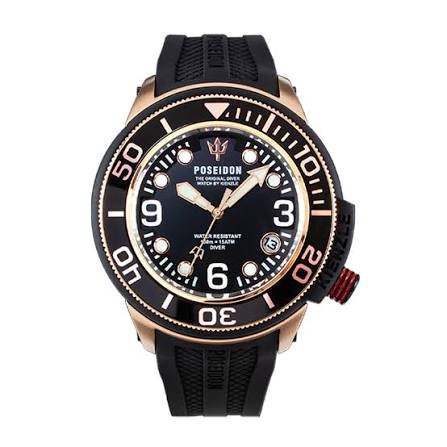
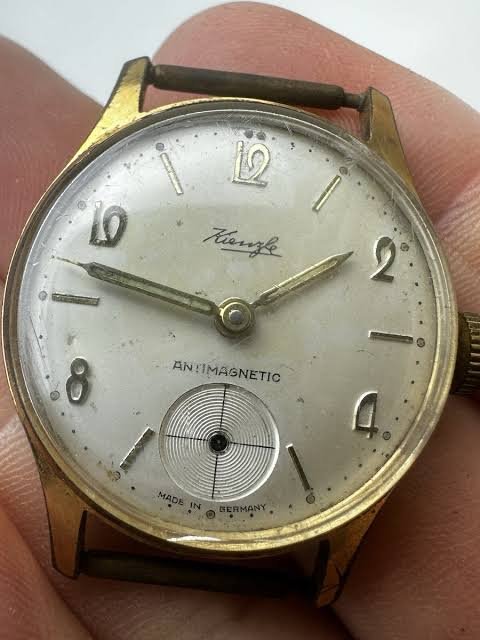
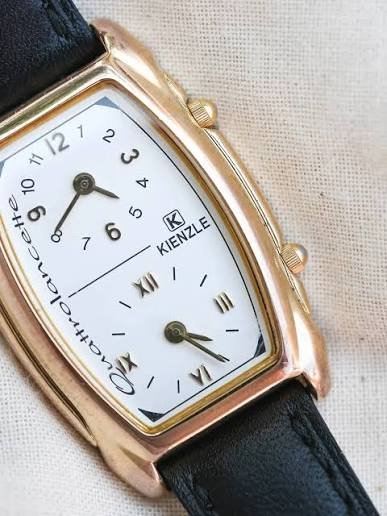
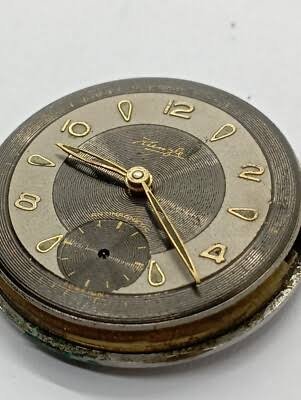
Origins and period
Schwenningen, Württemberg, Germany
Founded in 1822 by master watchmaker Johannes Schlenker
Kienzle in watchmaking
Kienzle began in 1822 as Johannes Schlenker’s clockmaking workshop in Schwenningen. The enterprise expanded dramatically under Jakob Kienzle, combining mechanised production with accessible prices and becoming one of Germany’s best-known makers of clocks, pocket watches, wristwatches and instrument timepieces.
Landmark dates
1822 — Johannes Schlenker establishes a clockmaking workshop in Schwenningen.
1883 — Jakob Kienzle joins the business and later gives the company its enduring name.
1890s — Mechanised production and standardized components support large-scale output.
20th century — Kienzle becomes a major German producer of clocks, wristwatches and vehicle instruments.
Known for
German clocks and wristwatches, affordable industrial production, pocket watches, alarm and table clocks, automotive and instrument clocks, and practical mechanical and quartz designs.
Movements and innovation
Kienzle built its reputation through standardized, economical movement manufacture. Its output spans hand-wound and automatic wristwatches, pin-lever and jeweled mechanisms, clocks, dashboard instruments and later quartz watches.
Identification checklist
Check the dial, movement and case for Kienzle signatures or period logos. Compare movement caliber, case construction, dial printing and hand style with documented examples. On vintage pieces, inspect for refinished dials, replacement crowns and mixed movement or case parts.
Preservation guidance
Keep vintage watches dry and away from magnets and shocks. Do not wind or run a watch that is stiff, noisy or long unserviced. Have mechanical movements cleaned and lubricated by a qualified watchmaker; preserve original dials, hands, crowns and finishes whenever possible.
Historical development
Kienzle began in 1822 when master watchmaker Johannes Schlenker established a workshop in Schwenningen, in Germany’s Black Forest watchmaking region. The business grew from small-scale clockmaking into industrial production, especially after Jakob Kienzle joined the company in the late nineteenth century.
By standardizing components and mechanising manufacture, Kienzle helped make dependable timekeeping available to a broad public. Its name appeared on household clocks, pocket watches, wristwatches and automotive or instrument clocks, with products ranging from economical everyday pieces to automatic and sports watches.
Vintage Kienzle watches survive in many forms, including small hand-wound dress watches, antimagnetic models, divers, day-date automatics and shaped cases. Careful identification should consider the dial, case, movement caliber and period logo together, since refinished dials and replacement parts are common.
References and credits
Kienzle 1822 – About Us ↗Kienzle 1822 – Official Site ↗Kienzle Italia – About Us ↗