Swiss innovation, modernist design and the iconic Museum Dial since 1881
Movado
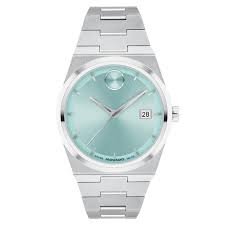
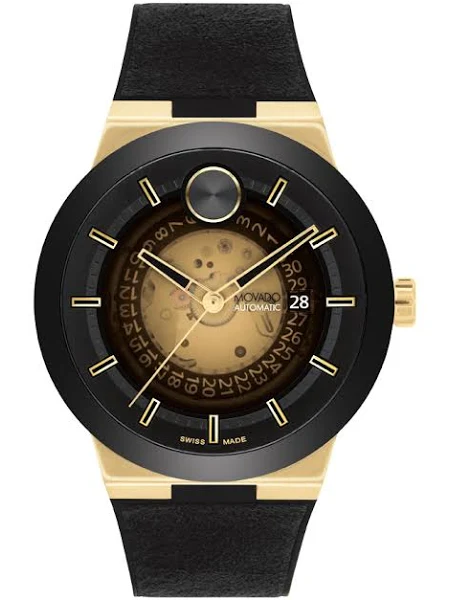
Movado began in La Chaux-de-Fonds in 1881, founded by Achille Ditesheim. The company earned recognition for inventive mechanical watches, including unusually shaped and travel-oriented designs. Its name, adopted in the early twentieth century, comes from Esperanto and is generally translated as “always in motion.” Movado’s defining visual icon is the Museum Dial, designed in 1947 by American industrial designer Nathan George Horwitt: a spare dial marked by a single circular symbol at 12, inspired by the sun at high noon. Today the brand combines that modernist identity with dress, sports, chronograph, quartz and automatic collections.
Abbady photographic archive
Movado photographs
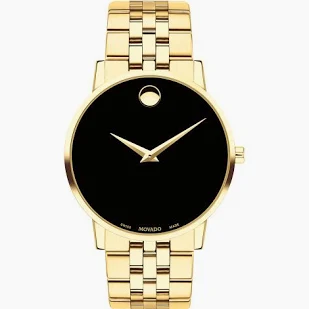
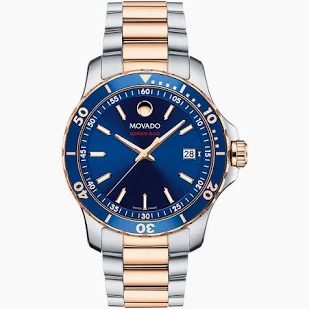
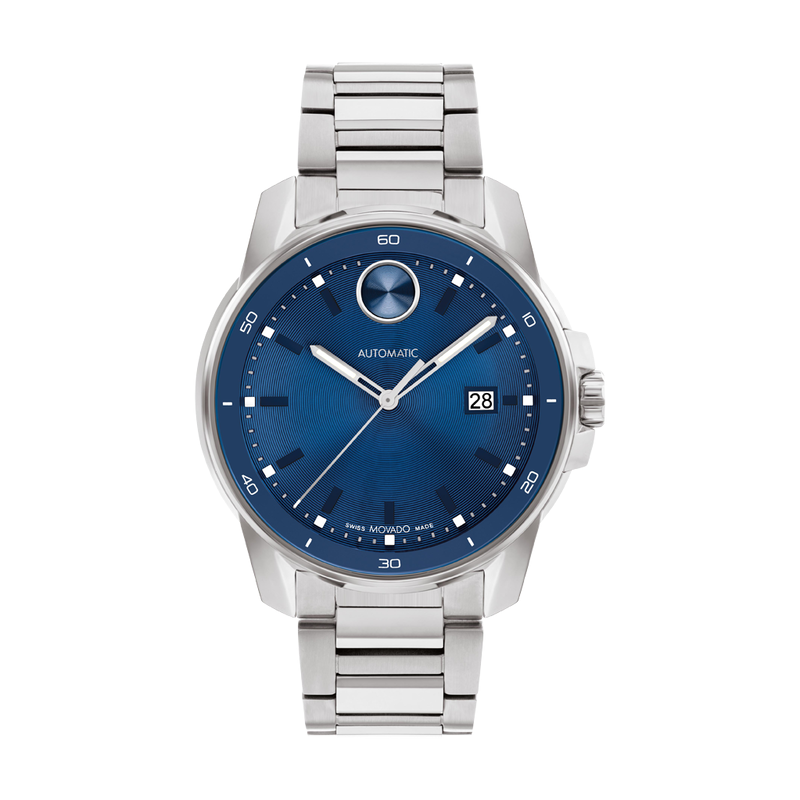
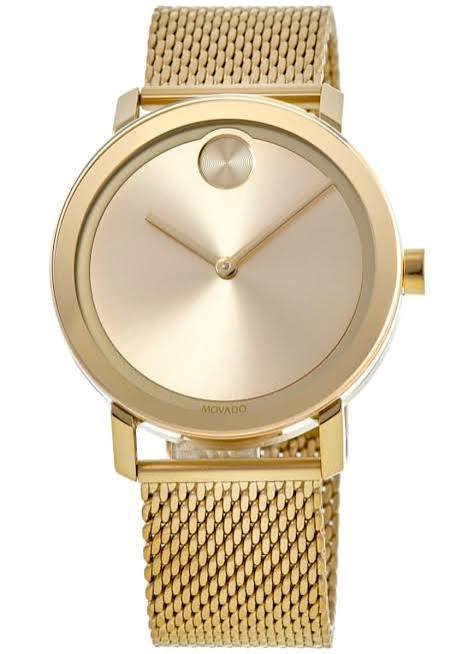
Origins and period
La Chaux-de-Fonds, Switzerland
Founded in 1881; active today under Movado Group
Movado in watchmaking
Movado began in La Chaux-de-Fonds in 1881, founded by Achille Ditesheim. The company earned recognition for inventive mechanical watches, including unusually shaped and travel-oriented designs. Its name, adopted in the early twentieth century, comes from Esperanto and is generally translated as “always in motion.” Movado’s defining visual icon is the Museum Dial, designed in 1947 by American industrial designer Nathan George Horwitt: a spare dial marked by a single circular symbol at 12, inspired by the sun at high noon. Today the brand combines that modernist identity with dress, sports, chronograph, quartz and automatic collections.
Landmark dates
1881 — Achille Ditesheim establishes the workshop in La Chaux-de-Fonds.
1905 — The Movado name, derived from Esperanto for “always in motion,” is adopted.
1912 — The curved Polyplan watch demonstrates unusual case and movement engineering.
1926 — The Ermeto sliding-case travel watch is introduced.
1947 — Nathan George Horwitt designs the minimalist dial later known as the Museum Dial.
1960 — Horwitt’s Museum Dial design enters the permanent collection of New York’s Museum of Modern Art.
1983 — North American Watch Corporation acquires Movado.
1996 — The company adopts the name Movado Group.
Today — Movado continues developing Museum, dress, sports, chronograph and automatic collections.
Known for
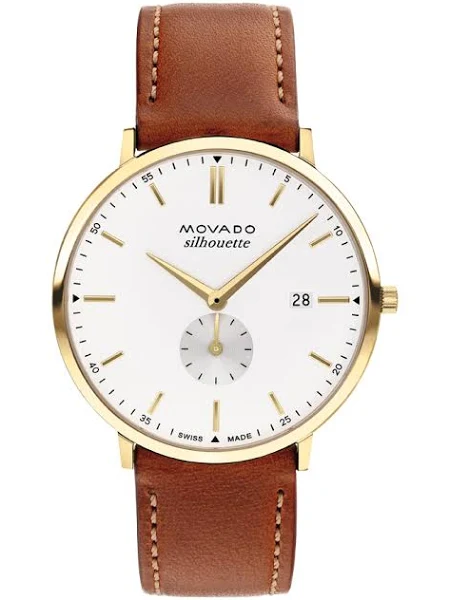
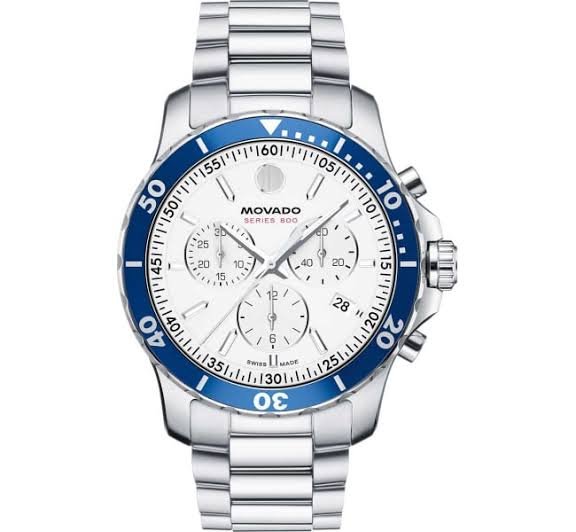
The Museum Dial and its solitary dot at 12; Nathan George Horwitt’s modernist design; Polyplan curved movement; Ermeto travel watches; Datron and other vintage chronographs; Esperanza and Silhouette dress watches; Series 800 sports models; Swiss quartz and automatic watches.
Movements and innovation
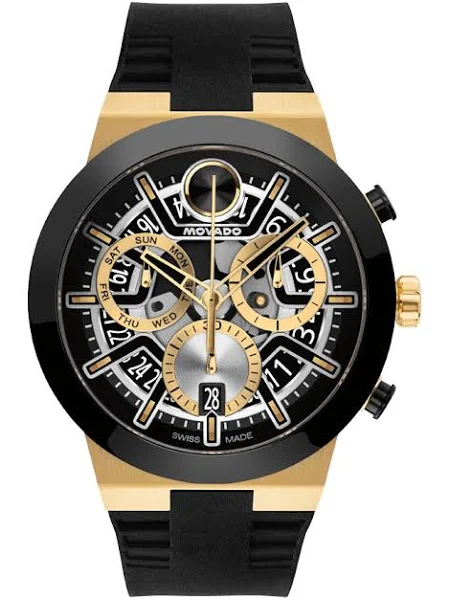
Historic Movado production included proprietary mechanical calibres, shaped movements for the Polyplan, automatic movements and chronographs. Modern collections use Swiss quartz and automatic mechanisms, with selected openworked, calendar and chronograph executions. The Museum Dial describes a design concept rather than one specific movement, so the case reference and movement markings are necessary for accurate identification.
Identification checklist
Confirm the Movado signature, Swiss Made marking, case reference and serial number. On Museum Dial watches, examine the proportions and finish of the 12 o’clock dot, hands, crystal and minimalist dial. Compare sports bezels, chronograph layouts, bracelets and openworked dials with official catalogues. Counterfeits are common, and front photographs cannot establish authenticity, material, movement calibre or exact reference.
Preservation guidance
Replace quartz batteries promptly to reduce leakage risk and pressure-test water-resistant sports watches after the case is opened. Service mechanical and vintage chronographs through a qualified watchmaker. Protect highly polished Museum cases, dial surfaces and sapphire crystals from scratches. Avoid refinishing original vintage dials or over-polishing cases, and preserve boxes, receipts, reference labels and replaced parts.
Historical development
Achille Ditesheim founded the workshop that became Movado in La Chaux-de-Fonds in 1881. The name, meaning “always in motion” in Esperanto, accompanied technical watches and distinctive case designs; the later Museum dial made radical visual simplicity the brand’s best-known signature.