Marine chronometry, astronomical mastery and silicon innovation since 1846
Ulysse Nardin
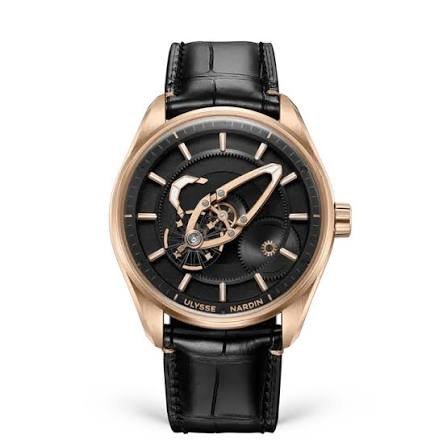
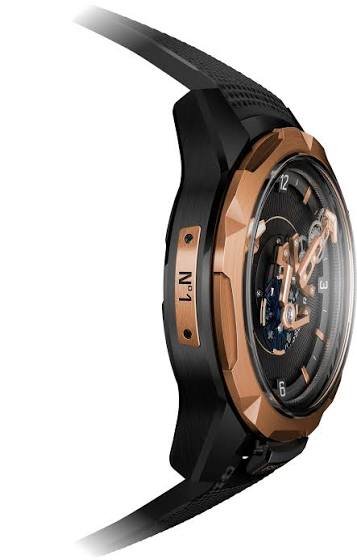
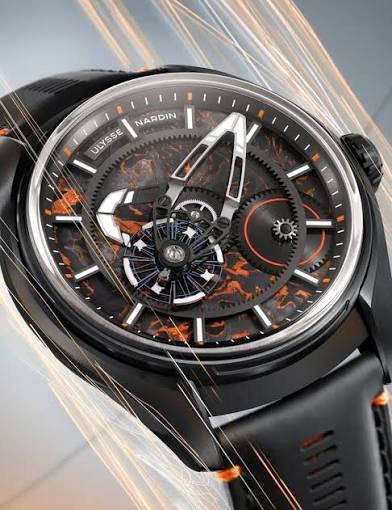
Ulysse Nardin was founded in Le Locle in 1846 by Swiss watchmaker Ulysse Nardin. The house built its international reputation through highly accurate pocket chronometers and marine chronometers used for navigation, eventually supplying instruments to navies and observatories around the world. After the quartz crisis, entrepreneur Rolf W. Schnyder revived the company in the 1980s and collaborated with scholar-watchmaker Ludwig Oechslin on sophisticated astronomical watches. In 2001, the unconventional Freak eliminated the traditional dial, hands and crown while pioneering silicon components in watchmaking. Today Ulysse Nardin combines its marine-chronometry heritage with the Freak, Blast, Diver and Marine families, manufacture movements, astronomical displays and artistic craftsmanship.
Abbady photographic archive
Ulysse Nardin photographs
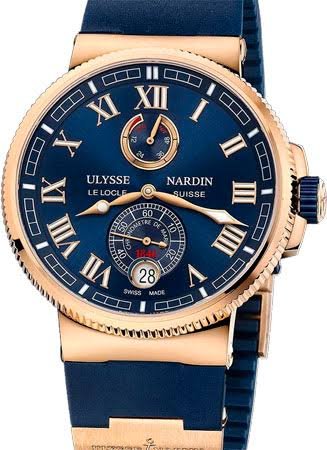
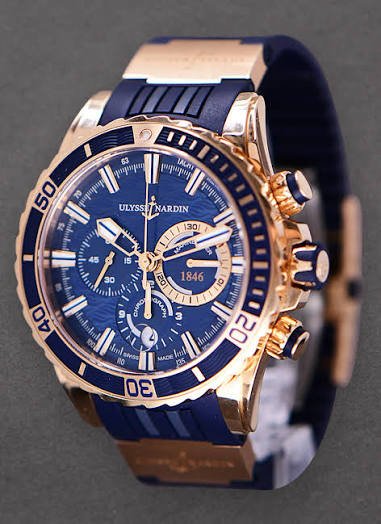
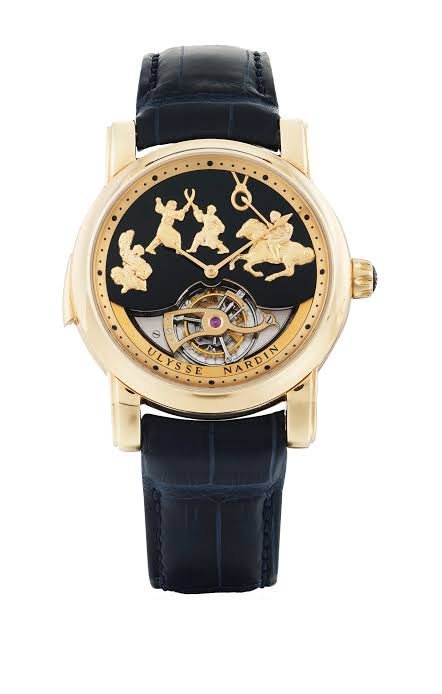
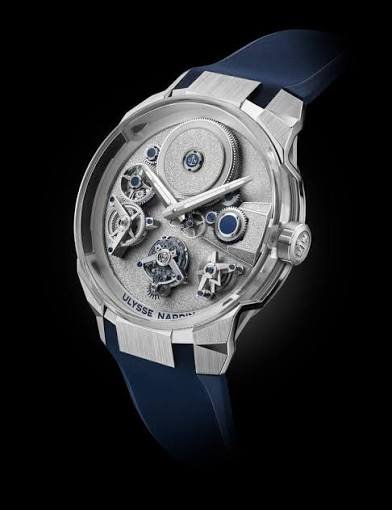
Origins and period
Le Locle, Switzerland
Founded in 1846; active today
Ulysse Nardin in watchmaking
Ulysse Nardin was founded in Le Locle in 1846 by Swiss watchmaker Ulysse Nardin. The house built its international reputation through highly accurate pocket chronometers and marine chronometers used for navigation, eventually supplying instruments to navies and observatories around the world. After the quartz crisis, entrepreneur Rolf W. Schnyder revived the company in the 1980s and collaborated with scholar-watchmaker Ludwig Oechslin on sophisticated astronomical watches. In 2001, the unconventional Freak eliminated the traditional dial, hands and crown while pioneering silicon components in watchmaking. Today Ulysse Nardin combines its marine-chronometry heritage with the Freak, Blast, Diver and Marine families, manufacture movements, astronomical displays and artistic craftsmanship.
Landmark dates
1846 — Ulysse Nardin establishes his workshop in Le Locle.
Late 1800s–1900s — The manufacture gains international recognition for precision pocket and marine chronometers.
1983 — Rolf W. Schnyder acquires and revives Ulysse Nardin during the aftermath of the quartz crisis.
1985 — The Astrolabium Galileo Galilei begins Ludwig Oechslin’s astronomical Trilogy of Time.
1988 — Planetarium Copernicus follows.
1992 — Tellurium Johannes Kepler completes the Trilogy of Time.
2001 — The original Freak debuts without a conventional dial, hands or crown and pioneers silicon components.
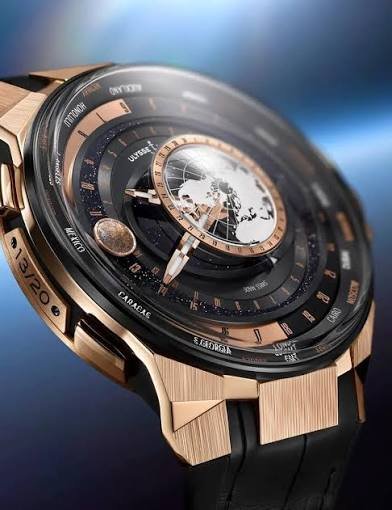
2022 — Blast Moonstruck reinterprets the manufacture’s astronomical heritage with a geocentric world-time display.
Today — Ulysse Nardin operates as an independent, integrated Swiss manufacture with Freak, Blast, Diver and Marine collections.
Known for
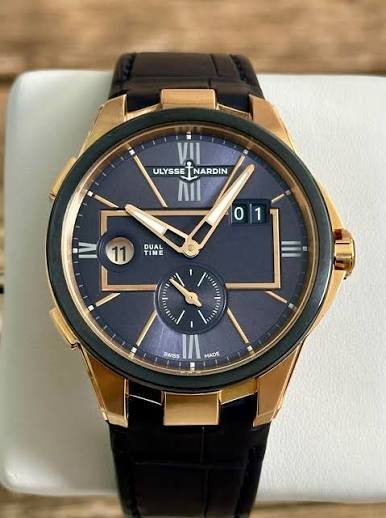
Prize-winning marine chronometers; precise navigation instruments; the Astrolabium Galileo Galilei, Planetarium Copernicus and Tellurium Johannes Kepler Trilogy of Time; the crownless Freak; early use of silicon escapement components; Blast complications; Dual Time; Marine chronometers; Diver sports watches; enamel, automata, chiming watches and openworked tourbillons.
Movements and innovation
Ulysse Nardin produces manufacture mechanical calibres for automatic and manual-winding watches, chronometers, chronographs, dual-time displays, tourbillons, repeaters and astronomical complications. The Freak turns much of its movement into the time display and helped introduce silicon escapement technology to modern watchmaking. Contemporary calibres use components such as silicon escapements and, on selected models, the Grinder automatic-winding system. Exact calibre, power reserve and functions must be matched to the reference.
Identification checklist
Check the dial signature, case and movement reference, individual number, hallmarks, engravings and warranty documentation. Marine models commonly echo historic chronometers through Roman numerals, cathedral-style hands and fluted bezels, while Freak watches use a rotating movement architecture and unconventional setting systems. Compare the exact layout, case materials, silicon mechanism and complications with official records. Counterfeits and assembled watches exist, so photographs alone cannot authenticate a watch or confirm its precise reference.
Preservation guidance
Entrust Freak mechanisms, astronomical displays, tourbillons, chronographs, repeaters and automata only to specialists trained for the relevant Ulysse Nardin calibre. Protect watches from shocks and strong magnetic fields, and operate setting mechanisms strictly according to the manual. Pressure-test Diver and Marine models after servicing, but do not assume an older watch remains water resistant. Avoid polishing historic cases, refinishing original dials or disturbing enamel and miniature-work surfaces. Preserve boxes, certificates, service records and replaced original parts.
Historical development
Ulysse Nardin established his workshop in Le Locle in 1846 and earned international recognition for highly accurate marine and pocket chronometers. The company’s later revival joined this precision heritage to innovative materials, silicium components, astronomical displays, and unconventional complications.