An old watch can hold a family story, an interesting movement, or a rewarding collecting project. Before deciding what it is worth, establish what it actually is. This guide offers a practical research sequence: photograph the watch, record its markings, compare the correct reference, and ask a specialist to investigate anything that does not fit.
The essential distinction: identifying a likely model is not the same as proving that every component is original. Treat photographs and numbers as evidence to assemble, rather than shortcuts to certainty.
1. Start with photographs and a written record
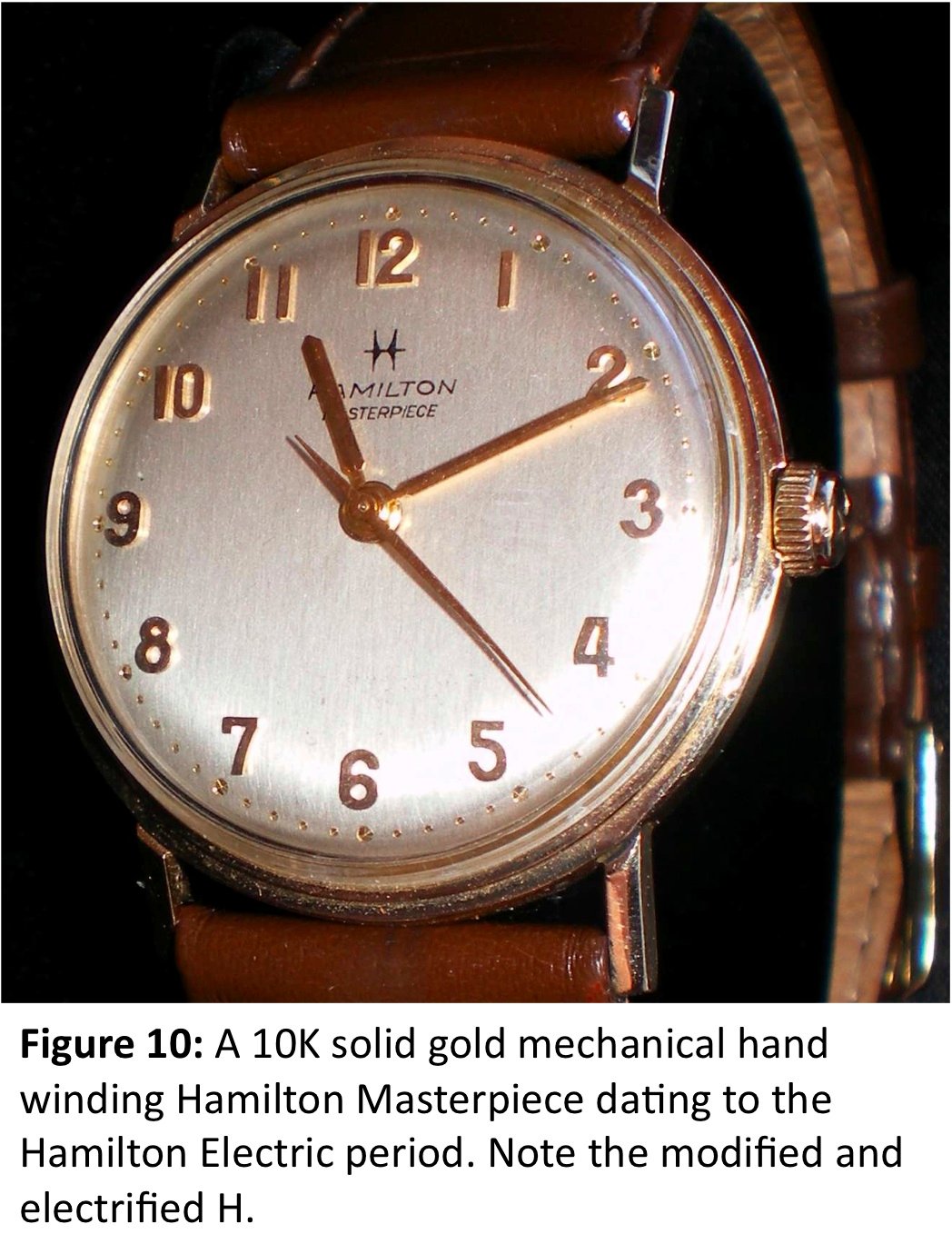
Place the watch on a soft surface and photograph it in diffuse daylight. Record the dial exactly as written, including punctuation, logos, model names and small printing near the bottom. Measure the case diameter without the crown and note the material, shape, functions and any inscriptions.
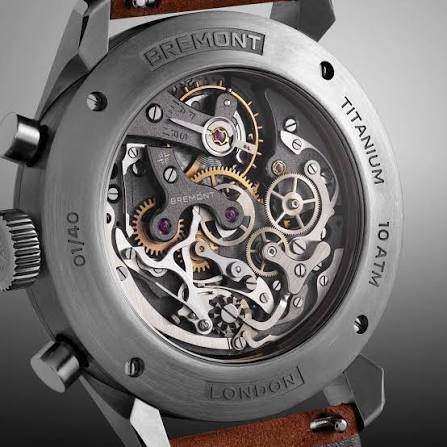
Ask a seller for clear views of the dial, case back, both sides, crown, lugs and bracelet clasp. Request movement and inside-case-back photographs taken by a competent watchmaker. Do not pry open a case to obtain them. Longines explicitly recommends professional help when identification requires opening a watch.
2. Separate reference, serial and calibre numbers
| Marking | What to investigate | What it does not prove alone |
|---|---|---|
| Reference number | The model or case specification; conventions vary by maker and era. | That all fitted components belong to that reference. |
| Serial number | The individual watch, movement or case, depending on the maker. | A universally reliable production date or authenticity. |
| Calibre number | The movement design or family. | The identity of the complete watch. |
| Hallmarks and material stamps | Material and assay information, interpreted in the relevant country. | That a case, dial and movement were originally sold together. |
Copy each number and its location into your notes. A movement number and a case number may serve different purposes; do not assume they should match. Search the brand and reference together, then compare examples from credible catalogues, manufacturer records and carefully described auction lots.
3. Date the evidence, not just the appearance
A dial style can suggest a period, but it is a starting hypothesis. Check whether the reference, movement, case construction and documented design belong together. An online serial-number chart may narrow research, but record its source and limitations. Production, delivery and retail-sale dates can describe different events.
Manufacturer archives can be especially useful. Longines preserves serial-linked historical records and distinguishes an archive extract from a certificate of authenticity. Its archive extract does not authenticate the watch or its components. Check the maker’s current service terms before ordering research.
4. Look for consistency across the whole watch
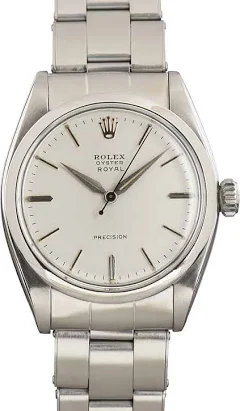
Compare the exact reference and period, rather than any watch carrying the same brand name. Examine lettering, minute-track alignment, hand shape, dial layout, case proportions and movement markings. Ask why a feature differs from documented examples. A discrepancy needs explanation; it is not automatically proof of a counterfeit.
A replacement part fitted during service can be genuine without being original to that watch. A refinished dial may look attractive while changing its collecting appeal. Christie’s cautions that polishing, repainting luminous material and replacing original components can reduce a watch’s value. Obtain written disclosure of restoration and service replacements before paying an originality premium.
5. Ask useful questions before buying
- What evidence supports the reference and claimed date?
- Has the dial been refinished or the case polished?
- Which parts have been replaced, and are service receipts available?
- What does “serviced” include, who performed it, and when?
- Can an independent specialist examine the watch within the return period?
- What are the written return terms if the description is inaccurate?
Box and papers can support a history, but check that their identifiers relate to the actual watch. Family recollections are valuable provenance to preserve; distinguish recollection from independently documented facts.
6. Know when to involve a watchmaker
Seek an independent inspection when the price is significant to you, the markings conflict, the movement is undocumented, or a seller makes strong originality claims. A watchmaker can assess mechanical condition; specialist authentication may require additional brand or model expertise.
Do not assume an old “waterproof” inscription guarantees present water resistance. Christie’s auction guidance recommends having watches checked by a competent watchmaker before use. If a watch stops, resists winding or shows moisture, avoid forcing it and arrange an assessment.
Your identification worksheet
Brand / dial wording: ______
Reference and location: ______
Serial and location: ______
Calibre: ______
Case dimensions and material: ______
Proposed period and evidence: ______
Disclosed replacement parts: ______
Service history: ______
Unanswered questions: ______
Keep uncertainty in the record. “Likely 1960s, exact reference unconfirmed” is more useful than a precise date with no supporting evidence. This is an educational checklist, not an authentication certificate or valuation.
Continue exploring the archive
See our Junghans history for an example of brand-specific identification clues, or browse the A–Z watch directory and Watch Knowledge Library.
Sources and further reading
- Longines: History of my watch — archive research, authentication distinctions and professional case opening.
- Christie’s: How to store and maintain your watch — preservation, originality and restoration.
- Christie’s auction terms — condition, replacement parts and water-resistance cautions.
Published October 12, 2026. Research checklist and editorial guidance by Abbady Timepiece Chronicles. No paid placement is included in this guide.