Origins and period
Vallée de Joux roots; later Grenchen, Switzerland
Modern Epos company established in 1983
Abbady Watches A–Z archive · Research page
This page has been created in the permanent archive and is ready for verified history, watch photographs, model identification, and collector information.
Abbady photographic archive
Archive photographs are captioned only from details visible in the image. Exact references and production dates remain open until case, movement, and serial markings can be compared.
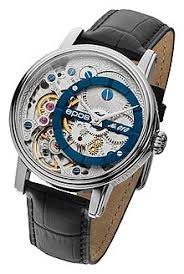
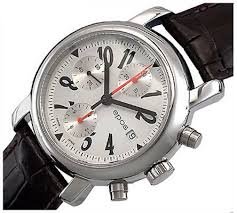
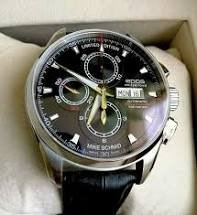
Vallée de Joux roots; later Grenchen, Switzerland
Modern Epos company established in 1983
Epos was established during the quartz crisis by Peter Hofer, who focused the company on mechanical watches and collaborations with specialist movement makers. Under later ownership by the Chonge-Forster family, the brand continued producing accessible Swiss mechanical watches with openworked, regulator, alarm, and complicated displays.
Mechanical and skeleton watches, regulator displays, jumping hours, alarm watches, decorated Swiss movements, and the Sophistiquée and Emotion collections.
Calibres, escapements, case construction, water resistance, electronic or quartz development, manufacturing methods, patents, and specialist suppliers.
Service considerations, originality, replacement parts, water-resistance assumptions, safe storage, and details that should be documented before restoration.
Official manufacturer history, museum or archive sources, technical sheets, books, catalogues, advertisements, image credits, and provenance notes.