The movement maker at the heart of Swiss watchmaking grew from a network of specialist ébauche factories.
From the Abbady Watches image archive
Object history
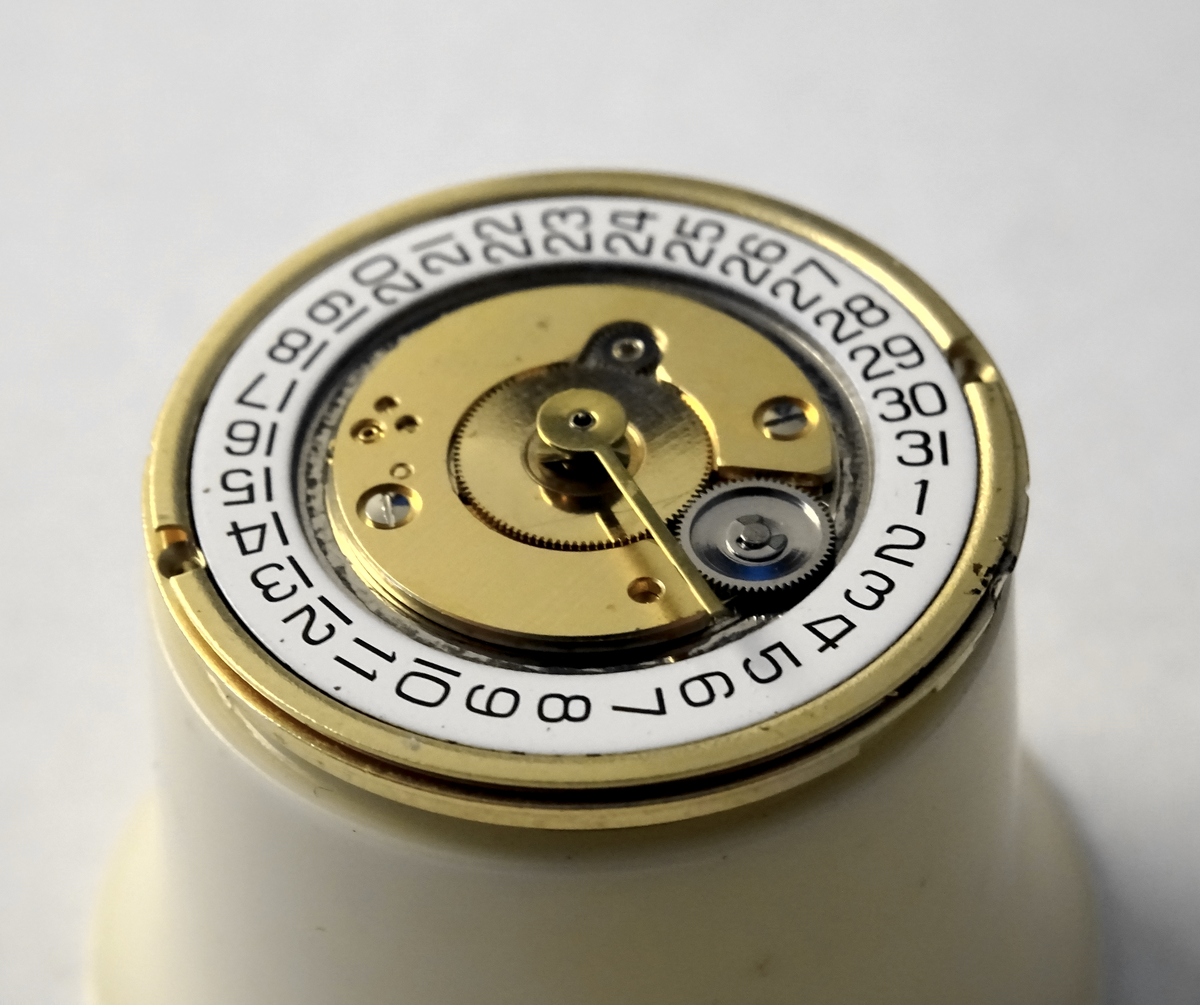
The pictured object: an ETA movement study
ETA’s movements sit behind the dials of watches from many brands. Studying the movement reveals the hidden industrial system of plates, bridges, gears, calendar works, regulation, and standardized components.
Identification noteThe photograph shows a gold-toned movement with a date ring. A calibre number is not readable in the available image, so this page treats it as an ETA movement study rather than assigning an unsupported calibre.
ETA roots
1793
Object type
Movement with date mechanism
Visible feature
Perimeter date ring
Finish
Gold-toned plates and bridges
Power system
Not confirmed from photograph
Calibre status
Number not yet confirmed
Why a movement deserves its own history
The movement is the watch’s engine. Its main plate supports the gear train; bridges secure rotating components; the barrel stores energy; the escapement meters that energy; and the regulating organ determines the rate. Calendar components add another controlled sequence that must change without stopping the time display. ETA became historically important because it could develop and manufacture reliable movements at industrial scale.
From ébauche workshops to ETA
ETA traces its roots to 1793 and the Swiss ébauche tradition. An ébauche was a movement base or set of unfinished movement components supplied to another firm for finishing and casing. Over time, specialist factories and industrial groups consolidated, and their designs, tooling, and manufacturing knowledge helped ETA become a central movement producer.
What is visible in the photograph
The numbered date ring around the perimeter is designed to advance once every twenty-four hours and display the date through an opening in the dial. Beneath and around it, plates and bridges hold the wheel train and related mechanisms in alignment. Color and layout alone are not enough to establish a calibre because movement families were produced in multiple sizes, grades, finishes, and revisions.
The correct identification method
A movement should be identified from its stamped calibre mark and then compared with reliable technical sheets. Useful measurements include movement diameter, height, hand configuration, date position, jewel count, frequency, winding system, and bridge layout. Once the calibre is known, the archive can add exact production dates, power reserve, beat rate, service parts, and known users.
A close study of calendar works: the numbered date ring advances beneath the dial once each day.
Collector’s checklist
What to document and preserve
Do not touch exposed movement parts with bare fingers.
Keep dust, moisture, and loose metal objects away from the movement.
Photograph all stamps under angled light before cleaning.
Have a watchmaker confirm the calibre before ordering parts.
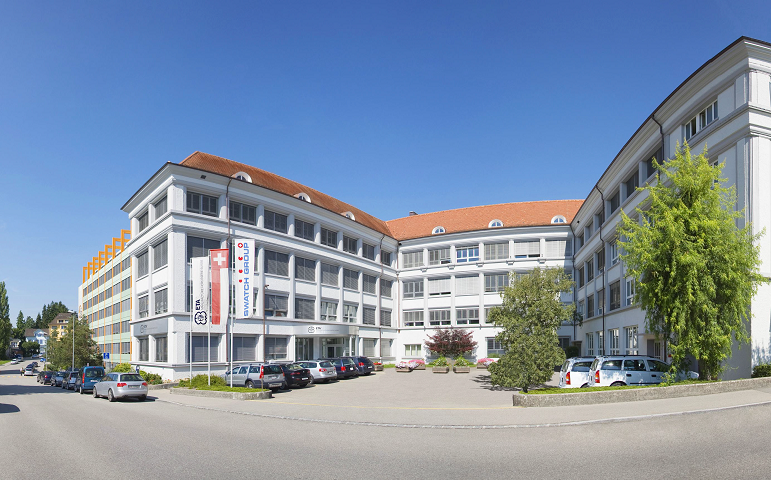
ETA’s Swiss industrial campus represents the scale behind movements supplied to watch brands around the world.
Roots traced to Fontainemelon in 1793Developed mechanical, quartz, and Swatch movementsUnited specialist factories across the Swiss Jura
From workshops to an industrial network
Specialist factories supplied movements to watch brands, preserving varied expertise while creating industrial scale.
The quartz transformation
Early quartz prototypes, thin movements, and automated manufacturing expanded what electronic watches could do.
A motorist of time
ETA movements have powered watches across many price levels and remain central to Swiss watchmaking.
Archive note
This chronicle was edited from documents in the Abbady Watches research collection. It is an independent historical reference that will continue to be reviewed and expanded.