Abbady Watch Archive
Hindustan
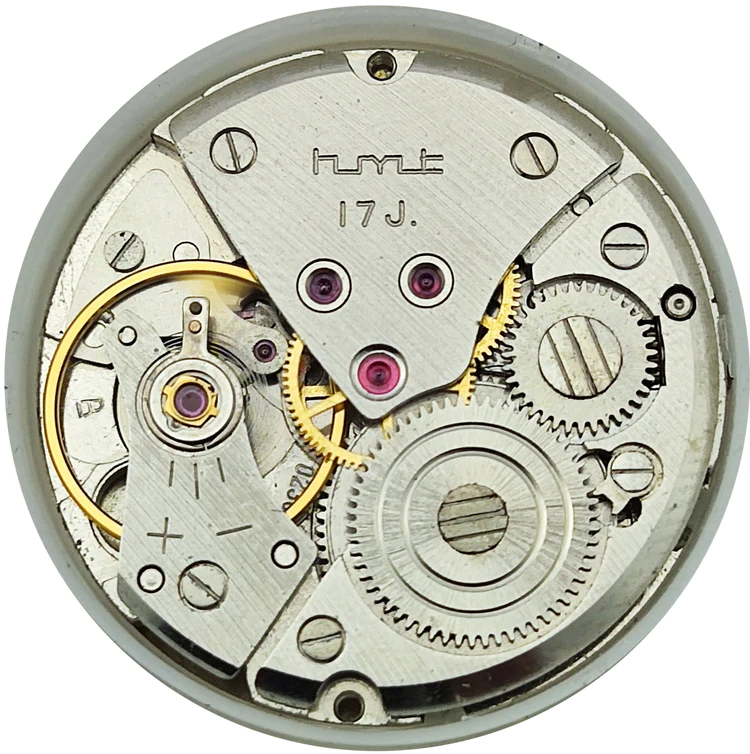
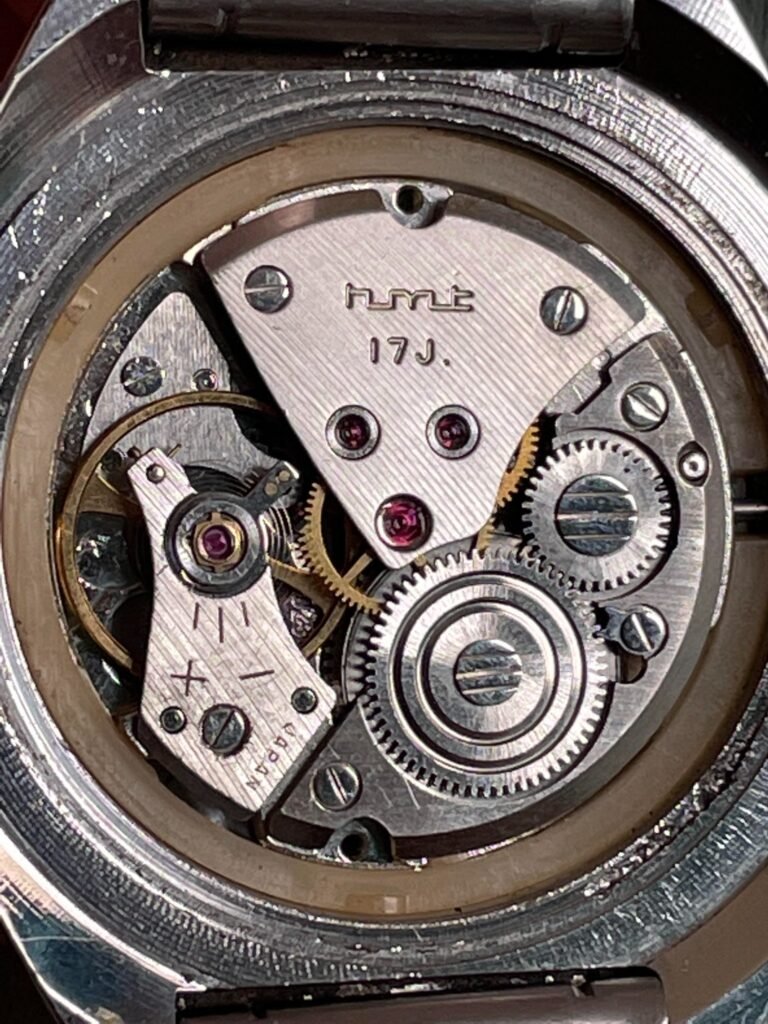
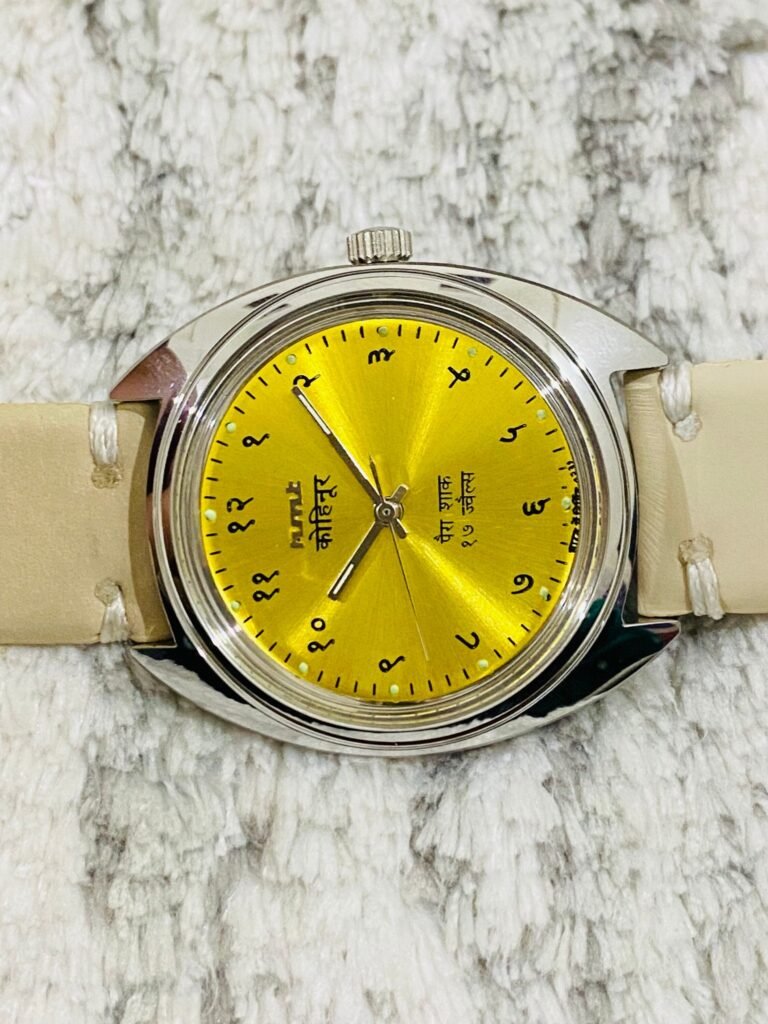
Hindustan Machine Tools entered watchmaking as part of India’s post-independence industrial development, establishing production with technical cooperation from Citizen. HMT watches became widely used across India and helped make domestically produced mechanical wristwatches accessible to a large public.
Abbady photographic archive
Hindustan photographs
Origins and period
Bengaluru, India
HMT watch production began in 1961
Hindustan in watchmaking
Hindustan Machine Tools entered watchmaking as part of India’s post-independence industrial development, establishing production with technical cooperation from Citizen. HMT watches became widely used across India and helped make domestically produced mechanical wristwatches accessible to a large public.
Known for
Indian mechanical watches, hand-wound movements, the Janata, Pilot and Sona families, and a major role in India’s industrial history.
Historical development
Hindustan Machine Tools entered watchmaking as part of India’s post-independence industrial development, establishing production with technical cooperation from Citizen. HMT watches became widely used across India and helped make domestically produced mechanical wristwatches accessible to a large public.