Accessible Seiko engineering, practical sports watches and everyday Japanese design
Lorus
Lorus was launched in Europe in 1982 as an affordable companion to Seiko’s established watch brands. It quickly developed a broad catalogue of dependable quartz watches for everyday use, including sports, chronograph, dress, children’s and illuminated models. Lorus draws on Seiko Watch Corporation’s manufacturing and movement expertise while maintaining its own accessible identity and wide retail presence.
Abbady photographic archive
Lorus photographs
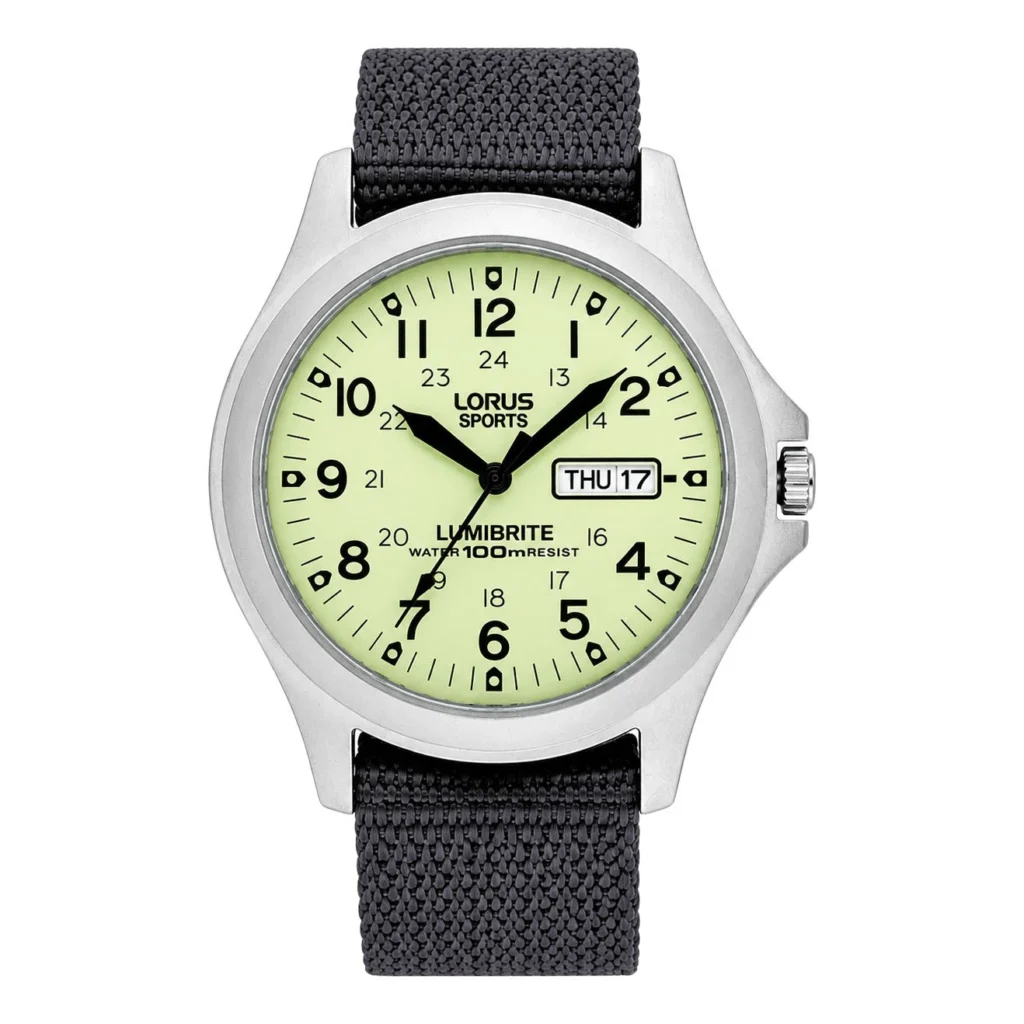
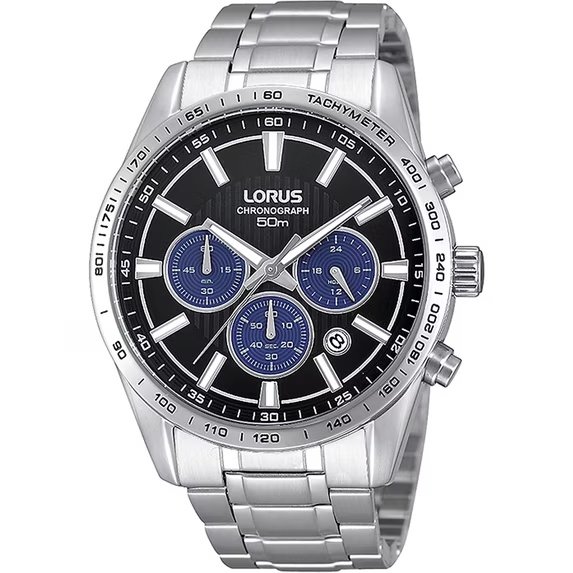
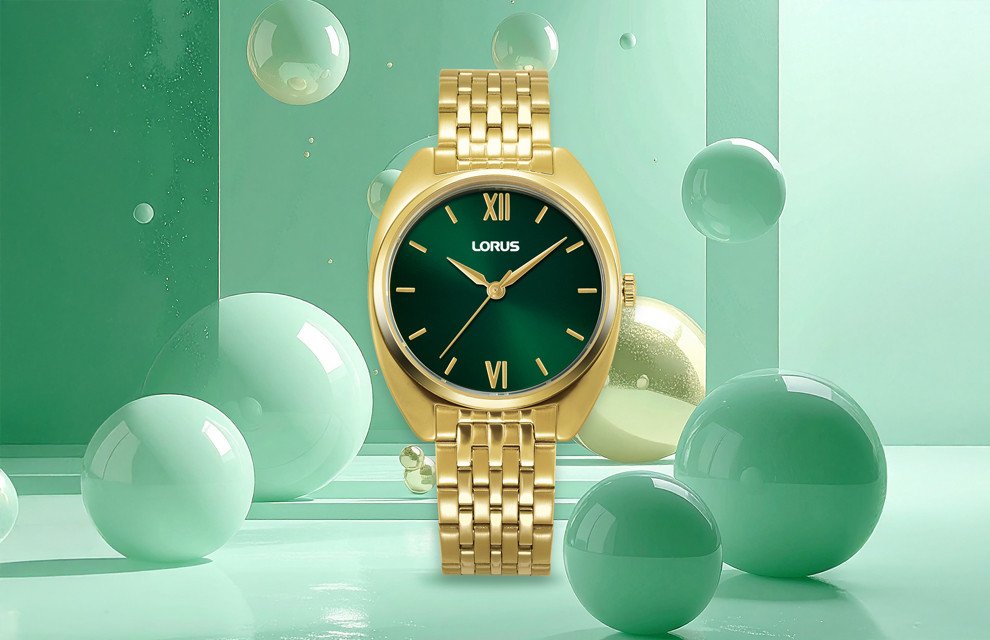
Origins and period
Japan; launched for the European market
Introduced in Europe in 1982; active today as a Seiko Watch Corporation brand
Lorus in watchmaking
Lorus was launched in Europe in 1982 as an affordable companion to Seiko’s established watch brands. It quickly developed a broad catalogue of dependable quartz watches for everyday use, including sports, chronograph, dress, children’s and illuminated models. Lorus draws on Seiko Watch Corporation’s manufacturing and movement expertise while maintaining its own accessible identity and wide retail presence.
Landmark dates
1982 — Lorus is launched in Europe to complement Seiko’s established brands.
1980s — The brand expands rapidly with affordable analogue and digital quartz watches.
1990s — Sports, chronograph and highly luminous models broaden the catalogue.
2000s — Lorus adds more solar-powered, alarm and multifunction designs.
Today — Lorus continues offering sports, dress, classic, women’s and children’s watches under Seiko Watch Corporation.
Known for
Affordable quartz timekeeping; sports and dress watches; chronographs; day-date displays; Lumibrite luminous dials and hands; practical water resistance; solar and digital models; accessible Seiko-group engineering.
Movements and innovation
Most Lorus watches use dependable quartz movements from the Seiko group, ranging from simple three-hand and day-date calibres to chronographs, alarms, digital modules and solar-powered systems. Exact calibre and battery information should be confirmed from the case-back code and the matching instruction manual.
Identification checklist
Look for the Lorus name on the dial and case back, then record the full case and movement code. Confirm dial functions, water-resistance marking, crystal, bracelet or strap and luminous treatment against the correct catalogue or instruction sheet. Because many designs have similar dials, the exact reference should not be assigned from a front photograph alone.
Preservation guidance
Keep crowns and pushers secured and follow the stated water-resistance limit. Replace batteries promptly to reduce leakage risk and have seals pressure-tested after the case is opened. Solar models should receive regular light without prolonged extreme heat. Clean bracelets and cases gently, avoid harsh chemicals, and retain manuals, packaging and replaced parts.
Historical development
Lorus was introduced by Seiko as an affordable international watch brand. Drawing on the group’s large-scale movement and manufacturing experience, it offered quartz, digital, sports, children’s, and later solar and mechanical watches to a broad audience.