Swiss watchmaking since 1886, from repeaters and chronographs to modern collections
Mathey-Tissot
Mathey-Tissot was founded in 1886 in Les Ponts-de-Martel, a Swiss Jura watchmaking village, by Edmond Mathey-Tissot. The firm first became known for complicated pocket watches, particularly repeaters, and later for chronographs and precision timepieces. Its long catalogue has included military and professional watches, elegant mid-century wristwatches and contemporary Swiss-made quartz and mechanical models. Mathey-Tissot is a separate company and should not be confused with the better-known Tissot brand.
Abbady photographic archive
Mathey-Tissot photographs
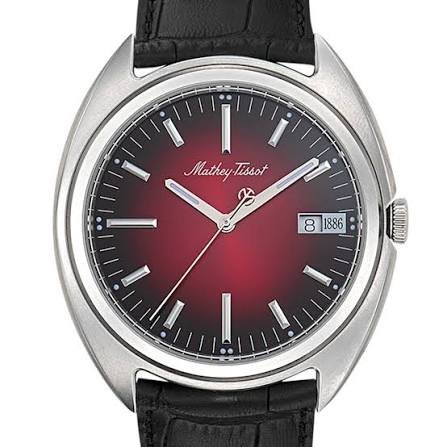
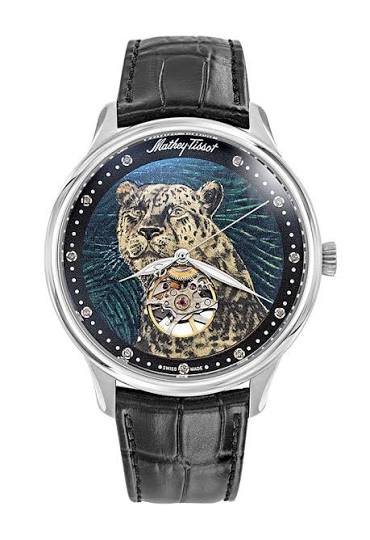
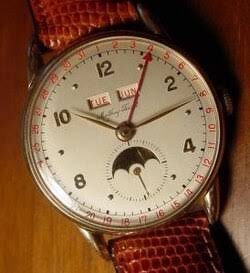
Origins and period
Les Ponts-de-Martel, Canton of Neuchâtel, Switzerland
Founded in 1886; active today
Mathey-Tissot in watchmaking
Mathey-Tissot was founded in 1886 in Les Ponts-de-Martel, a Swiss Jura watchmaking village, by Edmond Mathey-Tissot. The firm first became known for complicated pocket watches, particularly repeaters, and later for chronographs and precision timepieces. Its long catalogue has included military and professional watches, elegant mid-century wristwatches and contemporary Swiss-made quartz and mechanical models. Mathey-Tissot is a separate company and should not be confused with the better-known Tissot brand.
Landmark dates
1886 — Edmond Mathey-Tissot establishes the company in Les Ponts-de-Martel.
Late 1880s–1890s — The workshop gains recognition for repeaters and chronographs.
1899 — Rising demand supports expansion of production.
Early 1900s — Precision timing and specialist watches strengthen the firm’s reputation.
Mid-1900s — Mathey-Tissot produces military, professional and elegant civilian wristwatches.
Late 1900s — The catalogue adapts to changing tastes and quartz technology.
Today — Mathey-Tissot continues offering Swiss-made watches in classic and contemporary styles.
Known for
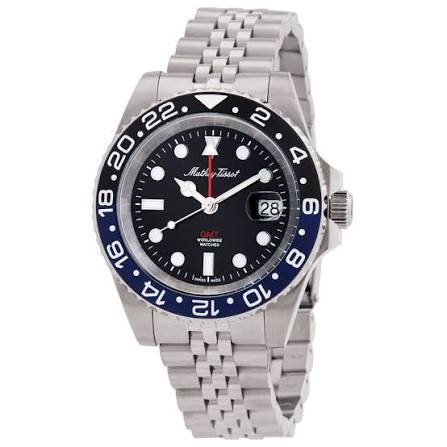
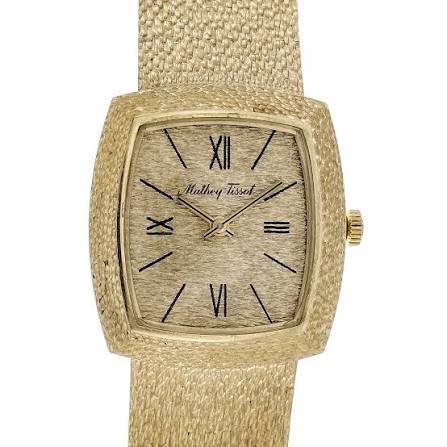
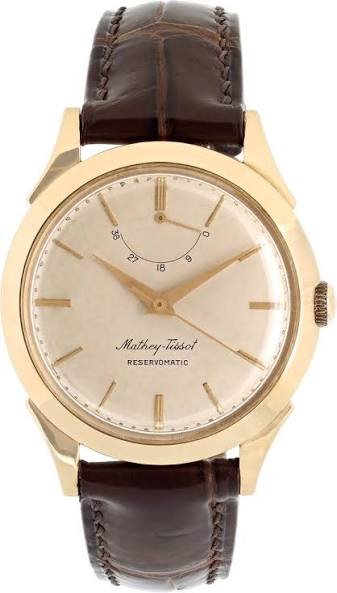
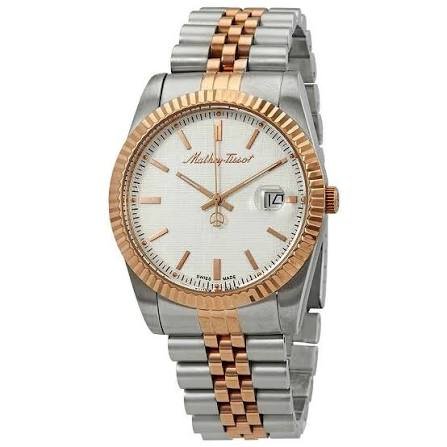
Complicated and repeating pocket watches; precision chronographs; military and professional timepieces; elegant vintage wristwatches; reserve-indicator designs; calendar complications; modern GMT, dress, skeleton and open-heart watches; Swiss-made quartz and mechanical collections.
Movements and innovation
Historical Mathey-Tissot watches used a variety of Swiss mechanical movements, including hand-wound calibres and complications such as repeaters, chronographs, calendars and power-reserve displays. Modern collections include Swiss quartz and automatic movements. The case reference and movement markings must be examined before assigning a calibre or production date.
Identification checklist
Confirm the full Mathey-Tissot signature, including the hyphen, and do not confuse it with Tissot. Record all case-back, inside-case and movement numbers. Compare the dial, hands, crown, pushers, case construction and movement with period catalogues or official references. Vintage redials and replacement components are possible, so front-view photographs alone cannot establish originality, authenticity or an exact reference.
Preservation guidance
Keep vintage watches dry unless they have been professionally resealed and pressure-tested. Avoid polishing textured or precious-metal cases and never refinish an original dial without expert advice. Service mechanical and complicated watches with a specialist familiar with vintage Swiss movements. Replace quartz batteries promptly, preserve removed components and document every case and movement number.
Historical development
Edmond Mathey-Tissot established his workshop in the Swiss Jura in 1886. The company earned a reputation for complicated pocket watches, chronographs, repeaters, and precision instruments before expanding into wristwatches and military-related production.