Contemporary Swiss watchmaking, manufacture complications and bold urban design
Maurice Lacroix
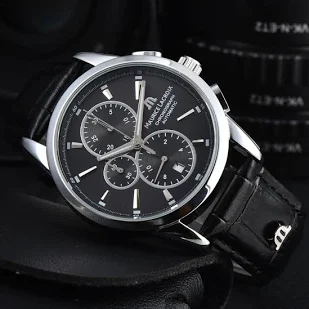
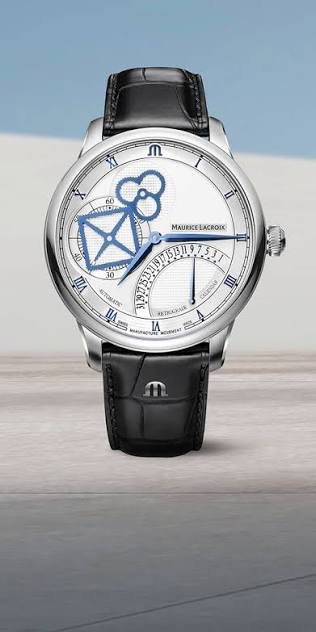
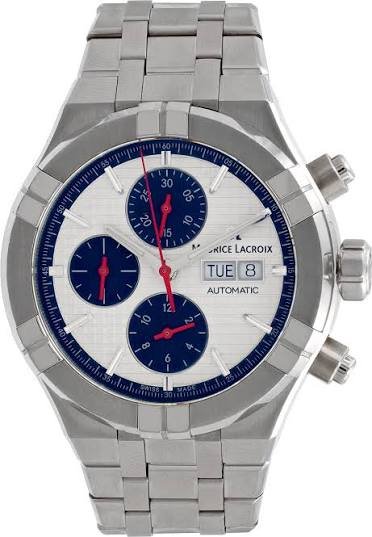
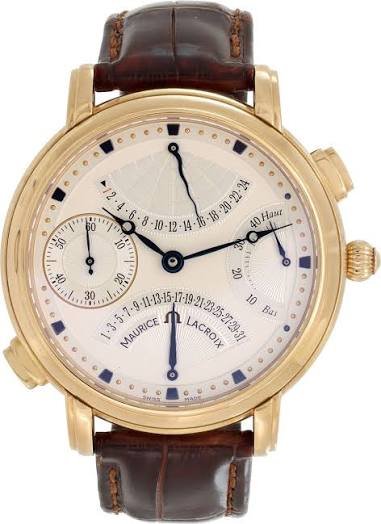
Maurice Lacroix was introduced as a watch brand in 1975 by the Zurich-based trading company Desco von Schulthess. Production developed in Saignelégier in the Swiss Jura, where the company built a reputation for accessible Swiss craftsmanship, traditional mechanical complications and distinctive contemporary design. The Masterpiece collection became its technical showcase, while the Aikon family brought the brand a strong modern identity through integrated-bracelet sports watches. Maurice Lacroix produces quartz, automatic and manufacture mechanical models.
Abbady photographic archive
Maurice Lacroix photographs
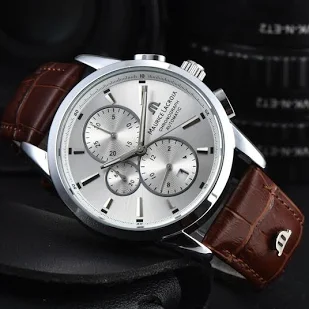
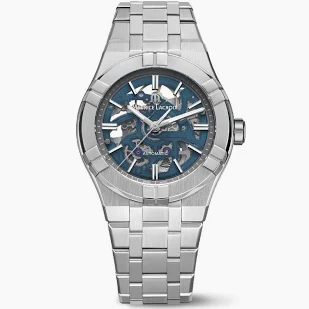
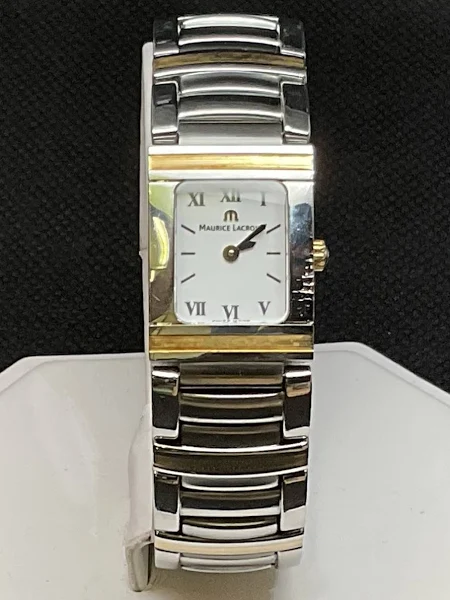
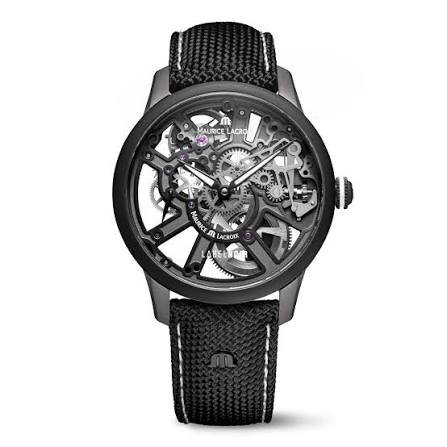
Origins and period
Saignelégier, Swiss Jura, Switzerland
Maurice Lacroix brand introduced in 1975; active today
Maurice Lacroix in watchmaking
Maurice Lacroix was introduced as a watch brand in 1975 by the Zurich-based trading company Desco von Schulthess. Production developed in Saignelégier in the Swiss Jura, where the company built a reputation for accessible Swiss craftsmanship, traditional mechanical complications and distinctive contemporary design. The Masterpiece collection became its technical showcase, while the Aikon family brought the brand a strong modern identity through integrated-bracelet sports watches. Maurice Lacroix produces quartz, automatic and manufacture mechanical models.
Landmark dates
1961 — Desco von Schulthess acquires a watch-assembly facility in Saignelégier.
1975 — The first watches bearing the Maurice Lacroix name are introduced.
1980s — Distribution expands and the brand develops a broader international presence.
1990s — The Masterpiece line strengthens the company’s mechanical and complication-focused identity.
2006 — Maurice Lacroix presents its first manufacture chronograph movement, the ML106.
2016 — The Aikon collection introduces the brand’s modern integrated sports-watch design language.
Today — Maurice Lacroix continues producing quartz, automatic and manufacture mechanical watches in the Swiss Jura.
Known for
Masterpiece complications; retrograde and double-retrograde displays; skeletonized manufacture movements; chronographs; Pontos watches; Aikon integrated-bracelet sports watches; Swiss quartz and automatic collections; strong finishing at an accessible-luxury position.
Movements and innovation
Maurice Lacroix uses Swiss quartz and automatic movements across its collections and has also developed manufacture mechanical calibres for selected Masterpiece watches. Technical highlights include chronographs, retrograde indications, double-retrograde displays, skeleton construction and openworked movements. Exact calibre identification requires the model reference and movement or case-back markings.
Identification checklist
Confirm the full Maurice Lacroix signature and the stylized M emblem. Record the case reference, serial number and movement calibre. Compare bracelet construction, bezel arms, dial layout, retrograde scales, crown and pusher design with official archives or catalogues. Aikon, Pontos and Masterpiece models have distinct case architecture, but numerous variants exist. Front photographs alone cannot prove authenticity or establish an exact reference.
Preservation guidance
Protect mechanical and skeleton watches from strong shocks, moisture and magnetism. Have chronographs and complicated Masterpiece models serviced by a specialist familiar with their calibres. Replace quartz batteries promptly and pressure-test water-resistant cases after opening. Avoid aggressive polishing of sharply faceted Aikon cases and bracelets, preserve original straps and components, and document all reference and serial numbers before service.
Historical development
Maurice Lacroix was launched by the Zurich trading company Desco von Schulthess in 1975 and developed from private-label production into an independent Swiss watch brand. Investment in case making and movement development later strengthened its manufacture ambitions.