Historic Villeret manufacture, hand-finished chronographs and mechanical movement artistry since 1858
Minerva
Minerva traces its origin to 1858, when Charles-Yvan Robert and Hyppolite Robert established H. & C. Robert in Villeret. The workshop evolved from assembling watches into a true manufacture, creating its own movements and becoming especially respected for chronographs and precision timers. The Minerva name and arrow emblem were registered in the nineteenth century. Its hand-finished, low-frequency chronograph architecture—including the recognizable V-shaped bridge—remains one of Swiss watchmaking’s most distinctive technical traditions. Since 2006 the historic Villeret manufacture has operated within Montblanc while preserving specialized Minerva movement production.
Abbady photographic archive
Minerva photographs
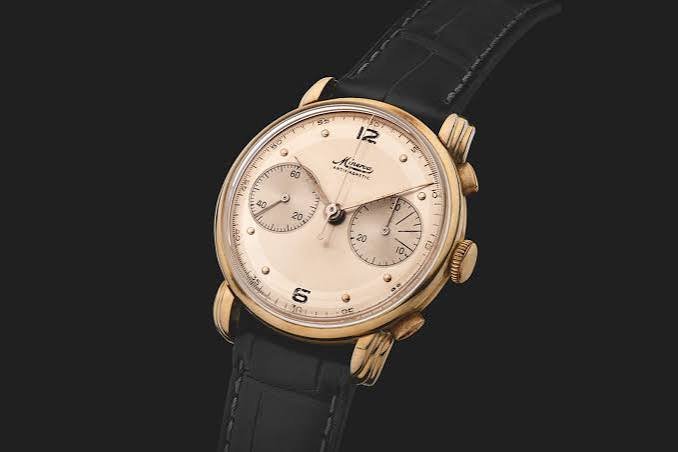
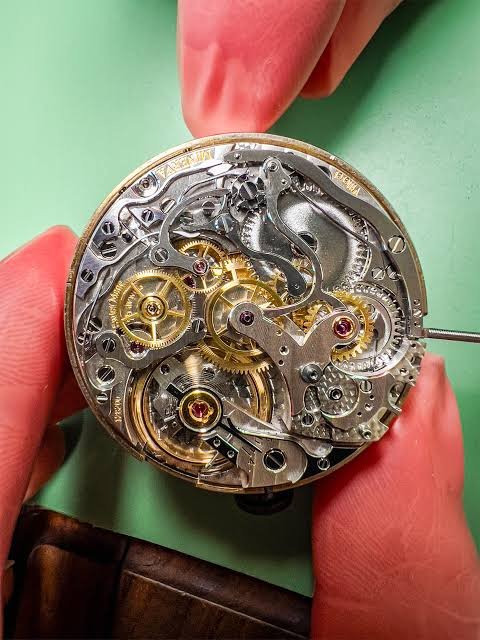
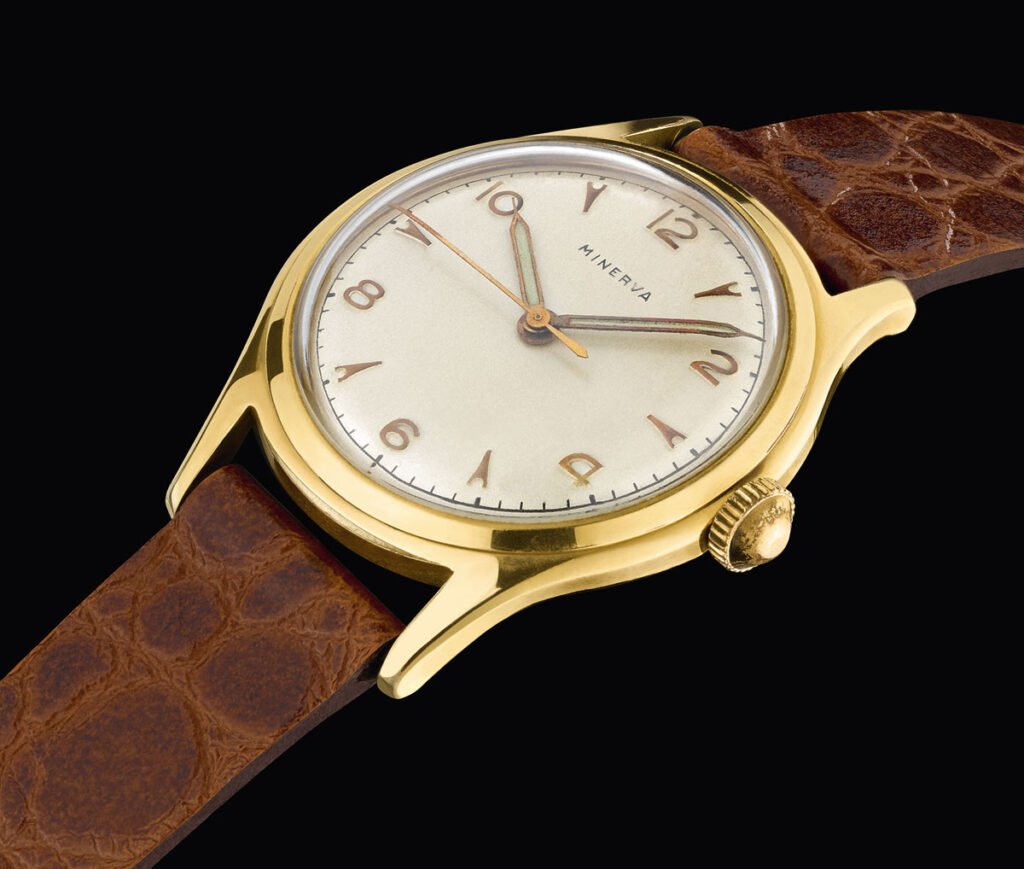
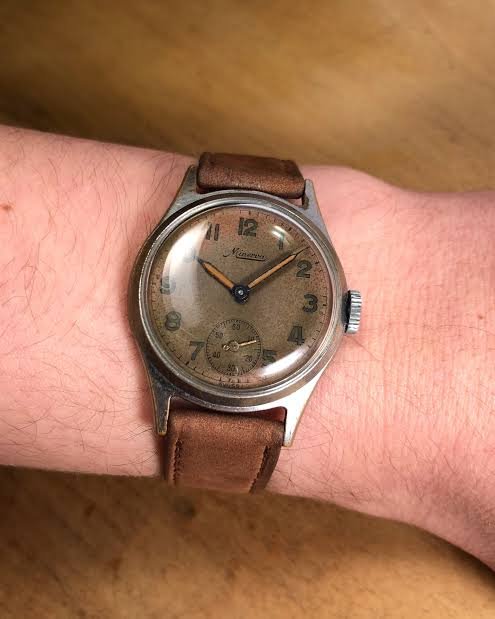
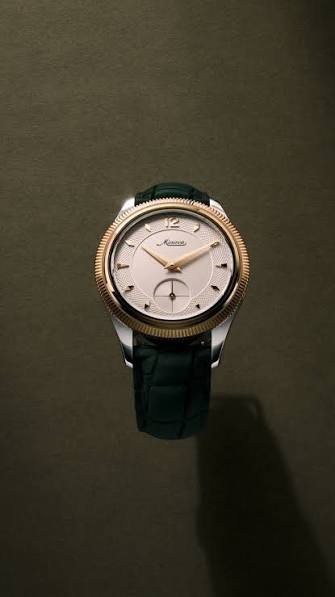
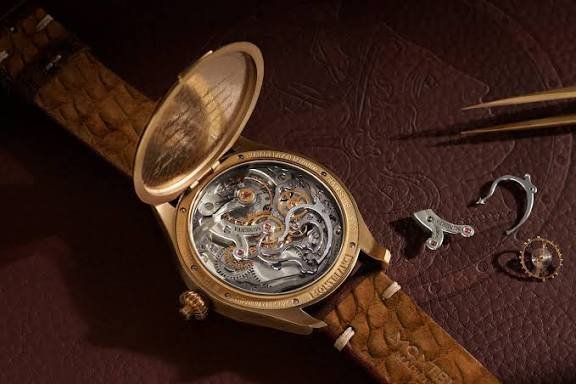
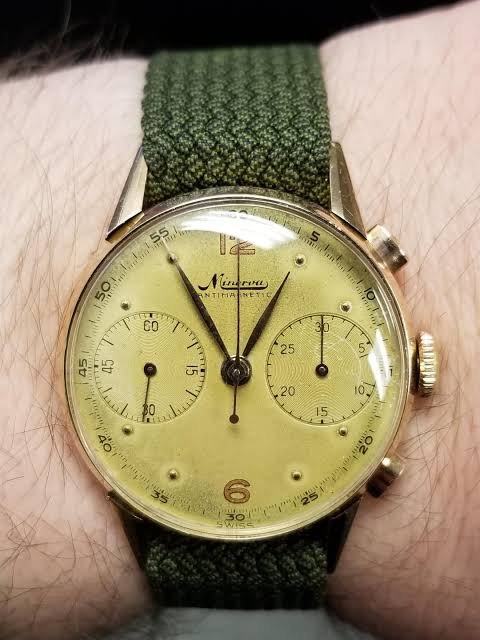
Origins and period
Villeret, Bernese Jura, Switzerland
Founded in 1858; Minerva name registered in 1887; manufacture continues within Montblanc
Minerva in watchmaking
Minerva traces its origin to 1858, when Charles-Yvan Robert and Hyppolite Robert established H. & C. Robert in Villeret. The workshop evolved from assembling watches into a true manufacture, creating its own movements and becoming especially respected for chronographs and precision timers. The Minerva name and arrow emblem were registered in the nineteenth century. Its hand-finished, low-frequency chronograph architecture—including the recognizable V-shaped bridge—remains one of Swiss watchmaking’s most distinctive technical traditions. Since 2006 the historic Villeret manufacture has operated within Montblanc while preserving specialized Minerva movement production.
Landmark dates
1858 — Charles-Yvan Robert and Hyppolite Robert establish the watchmaking business in Villeret.
1887 — The Minerva name and arrow-inspired emblem are registered.
1889 — The company receives a bronze medal at the Paris Universal Exhibition.
1902 — The manufacture produces its first internally designed calibre.
1908 — Production begins for the 19/09 CH pocket-watch chronograph calibre.
1912 — Minerva patents its distinctive V-shaped chronograph bridge.
1927 — The manufacture patents specialized rotating timing-bezel ideas for pilot watches.
1948 — Development begins on the geometrically arranged Pythagore calibre 48.
2006 — The Villeret manufacture becomes part of Montblanc.
Today — Minerva traditions continue through hand-finished Montblanc manufacture movements and limited watches.
Known for
Hand-wound chronograph movements; monopusher chronographs; precision stopwatches; the patented V-shaped chronograph bridge; traditional German-silver plates and bridges; hand finishing; low-frequency balances; the Pythagore calibre 48; historic military and pilot watches; modern Montblanc-Minerva complications.
Movements and innovation
Minerva is celebrated for traditional manually wound movements, especially column-wheel chronographs and monopusher calibres. Hallmarks include large balances beating at classical frequencies, German-silver plates and bridges, hand-beveled edges, distinctive chronograph levers and the arrow emblem. The Pythagore calibre 48 arranged its bridges according to golden-ratio principles. Modern Montblanc-Minerva calibres continue the Villeret manufacture’s hand-finished construction in very limited production.
Identification checklist
Confirm the Minerva dial signature, arrow emblem, calibre stamp and case numbers. Vintage pieces may have unsigned or retailer-signed cases, so movement inspection is essential. Compare the chronograph bridge shape, column wheel, regulator, plate layout and serial markings with specialist references. Replacement dials, crowns, pushers and recased movements exist. A front photograph—or an uncased movement photograph by itself—cannot establish the exact reference, production year or originality.
Preservation guidance
Entrust Minerva chronographs and complicated movements only to specialists familiar with traditional column-wheel construction and irreplaceable hand-finished parts. Keep vintage watches dry unless professionally resealed, avoid polishing cases or refinishing dials, and never clean decorated movement surfaces casually. Photograph every movement and case number before service, preserve replaced parts, and wind delicate hand-wound watches slowly without forcing the crown at full power.
Historical development
Charles-Yvan Robert and Hyppolite Robert established the workshop that became Minerva in Villeret in 1858. It developed from an établissage business into a respected movement manufacture, gaining particular renown for stopwatches and hand-finished chronograph calibres.