Soviet and Russian mechanical pocket watches from the Chelyabinsk Watch Factory
Molnija
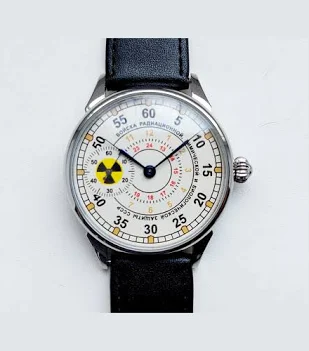
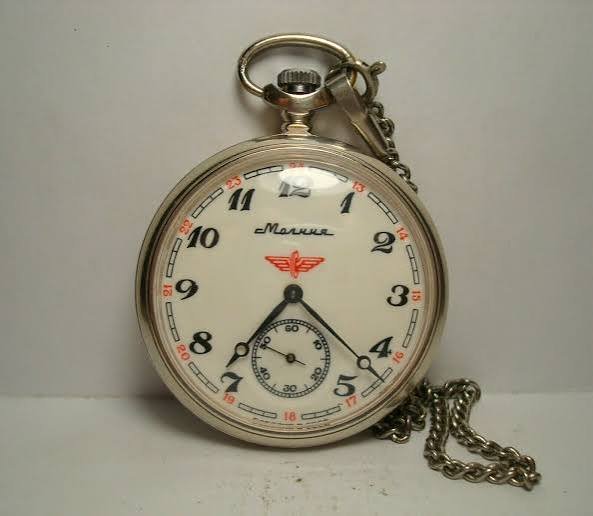
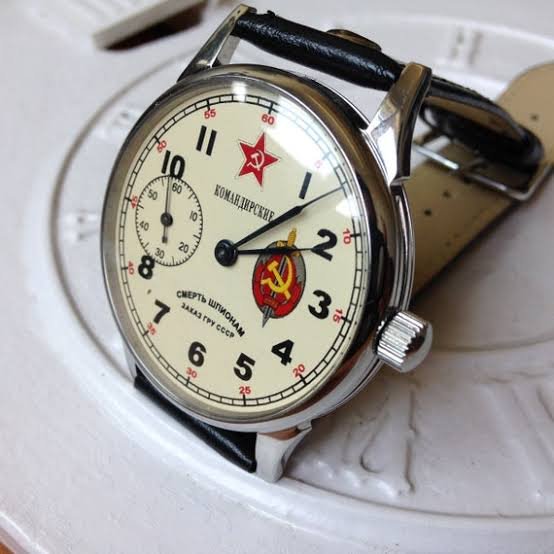
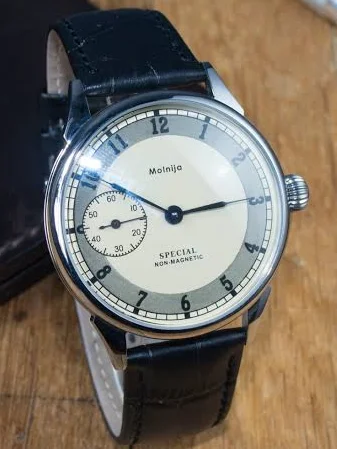
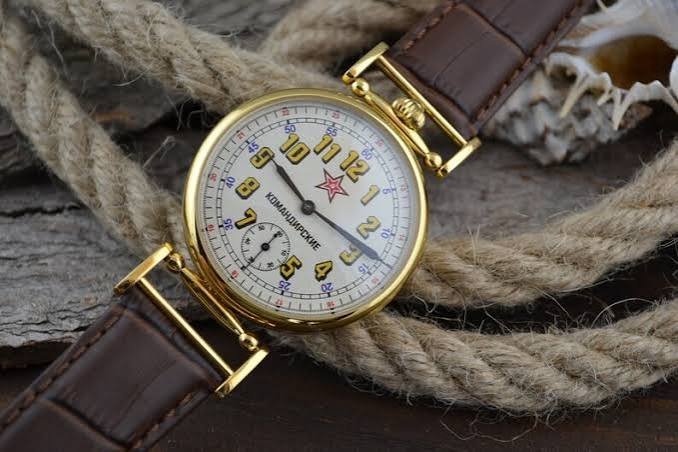
Molnija—also transliterated Molniya—means “lightning” in Russian. The Chelyabinsk Watch Factory began production in 1947 and became best known for robust hand-wound pocket watches, military and transport-related timepieces, dashboard and cockpit clocks, and decorated presentation watches. The widely encountered 3602-family pocket-watch movement traces its architecture to Swiss Cortebert designs adapted for Soviet production. Many modern wristwatches seen online are later conversions that place Molnija pocket-watch movements into newly made wristwatch cases rather than original factory wristwatches.
Abbady photographic archive
Molnija photographs
Origins and period
Chelyabinsk, Soviet Union (now Russia)
Factory established in 1947; major consumer production ended in 2007; the name has since been revived
Molnija in watchmaking
Molnija—also transliterated Molniya—means “lightning” in Russian. The Chelyabinsk Watch Factory began production in 1947 and became best known for robust hand-wound pocket watches, military and transport-related timepieces, dashboard and cockpit clocks, and decorated presentation watches. The widely encountered 3602-family pocket-watch movement traces its architecture to Swiss Cortebert designs adapted for Soviet production. Many modern wristwatches seen online are later conversions that place Molnija pocket-watch movements into newly made wristwatch cases rather than original factory wristwatches.
Landmark dates
1947 — The Chelyabinsk Watch Factory begins production on 17 November.
Late 1940s–1950s — Molnija develops pocket watches and technical clocks for Soviet state and defense customers.
1960s–1980s — The 3602-family movement becomes a widely produced foundation for pocket watches and presentation pieces.
1980 — Molnija watches are associated with commemorative gifts for the Moscow Olympic period.
1990s — Decorated civilian pocket watches and export variants remain widely available.
2007 — The historic factory ends major consumer-watch production.
2010s–today — The Molnija name reappears in revived products, while vintage movements are frequently used in aftermarket wristwatch conversions.
Known for
Calibre 3602 and related hand-wound pocket-watch movements; large subsidiary-seconds layouts; railway and military themes; decorated pocket-watch cases; aviation and vehicle clocks; presentation watches; later wristwatch conversions using original or surplus movements.
Movements and innovation
The best-known Molnija mechanism is the large hand-wound 3602, generally encountered with subsidiary seconds and a traditional low-frequency layout. Related variants include shock-protected or differently jeweled executions, while older production may carry factory and date markings. The movement’s ancestry is associated with Cortebert pocket-watch architecture, but exact production date and specification must be determined from the bridges, stamps, jewel count and serial markings.
Identification checklist
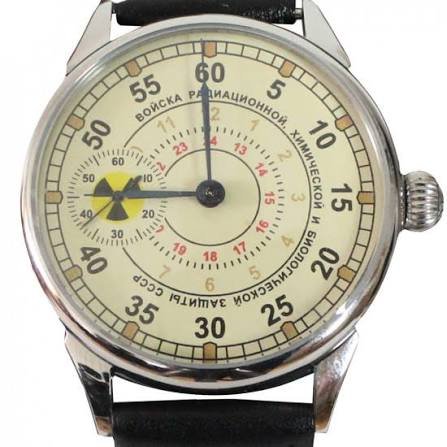
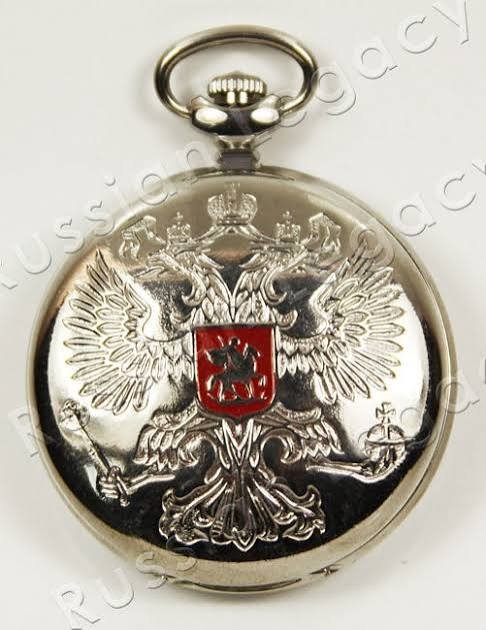
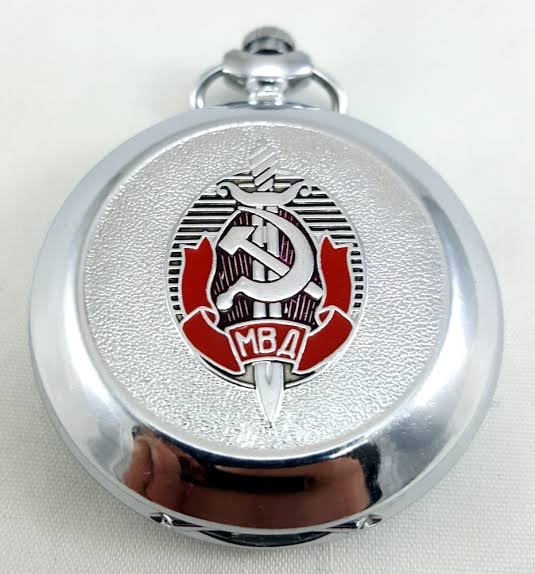
Distinguish original Soviet pocket watches and factory clocks from modern conversion wristwatches. Inspect the movement for calibre numbers, jewel count, factory marks and date codes; then compare the case, dial and hands separately. Military, railway, radiation-defense and state emblems were used on original, commemorative and later decorative pieces, so imagery alone does not prove official issue. Front photographs cannot establish authenticity, production date or whether the case and movement were originally paired.
Preservation guidance
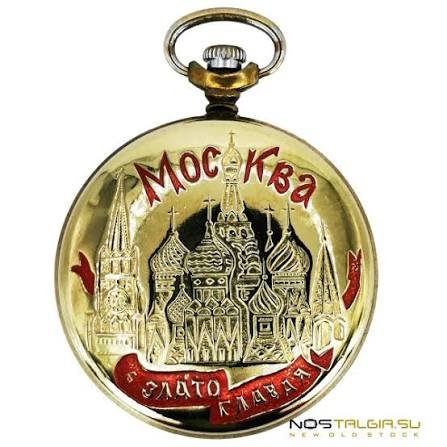
Keep vintage pocket watches dry and protect their large, relatively exposed balances from shock. Wind slowly and stop when resistance rises. Have the movement serviced by a specialist familiar with Soviet 3602-family calibres and avoid mixing donor parts without documentation. Do not polish engraved or enameled cases aggressively. Photograph movement stamps, inner case markings and decorative case backs before service, and identify conversions honestly in collection records.
Historical development
The Molnija factory was established in Chelyabinsk after World War II to produce durable Soviet pocket watches and specialist timekeeping instruments. Its large mechanical calibres were made in substantial numbers and were also adapted for wristwatches, desk clocks, and military applications.