Independent Zürich tool watches for diving, aviation and exploration since 1956
Ollech & Wajs
Ollech & Wajs was established in Zürich in 1956 by Joseph Ollech and Albert Wajs. The independent company became known for robust, relatively affordable mechanical tool watches sold internationally, often by mail order. Its chronographs, dive watches and aviation models found a following among pilots, professional divers, explorers and American servicemen during the 1960s and 1970s. Important historical designs include the Caribbean 1000, Ocean Graph, Astrochron and various military-style chronographs. After Albert Wajs acquired Breitling Navitimer tooling and components in 1979, O&W continued producing aviation-oriented watches. The modern company preserves this practical identity through Swiss-made mechanical watches assembled and tested in Switzerland.
Abbady photographic archive
Ollech & Wajs photographs
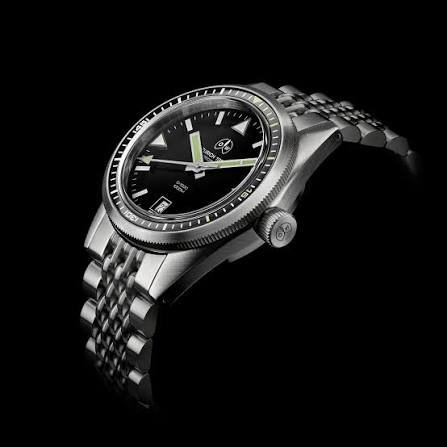
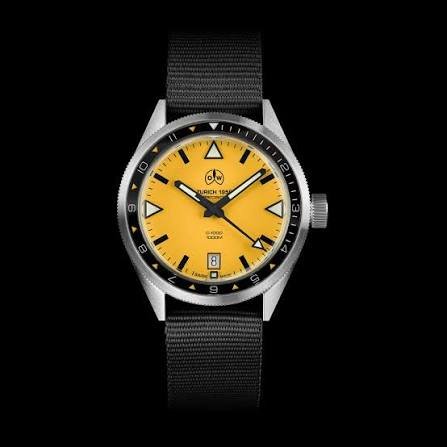
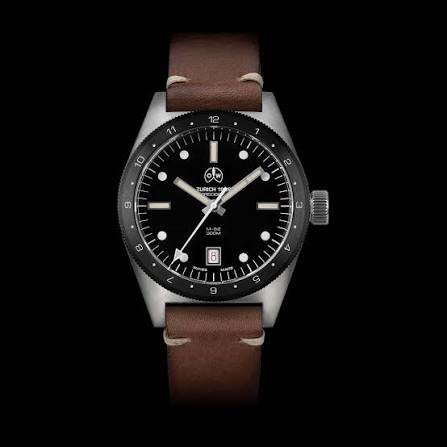
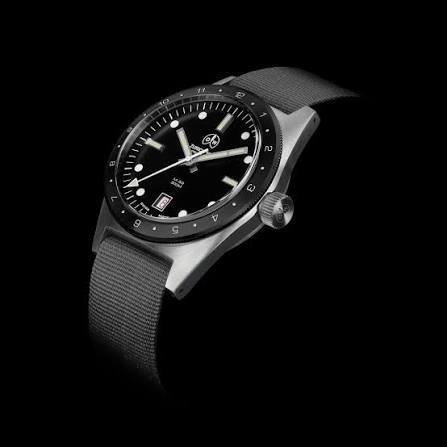
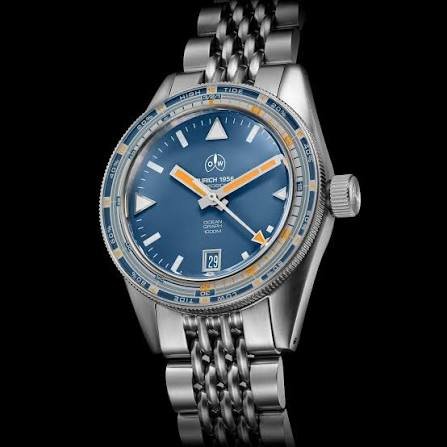
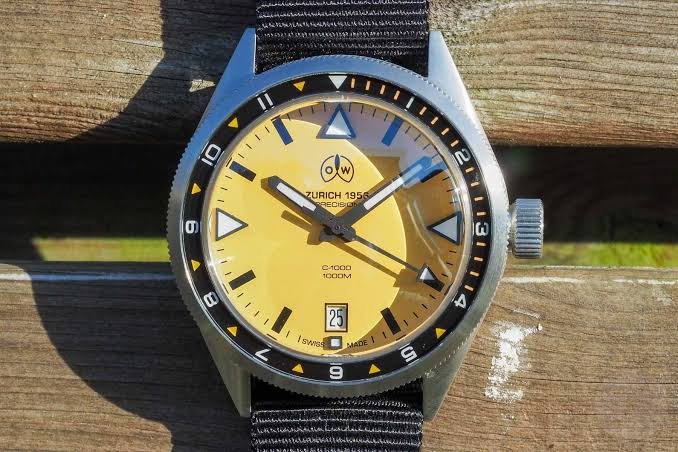
Origins and period
Zürich, Switzerland
Founded in 1956; active today
Ollech & Wajs in watchmaking
Ollech & Wajs was established in Zürich in 1956 by Joseph Ollech and Albert Wajs. The independent company became known for robust, relatively affordable mechanical tool watches sold internationally, often by mail order. Its chronographs, dive watches and aviation models found a following among pilots, professional divers, explorers and American servicemen during the 1960s and 1970s. Important historical designs include the Caribbean 1000, Ocean Graph, Astrochron and various military-style chronographs. After Albert Wajs acquired Breitling Navitimer tooling and components in 1979, O&W continued producing aviation-oriented watches. The modern company preserves this practical identity through Swiss-made mechanical watches assembled and tested in Switzerland.
Landmark dates
1956 — Joseph Ollech and Albert Wajs establish Ollech & Wajs in Zürich.
1960s — The company expands internationally with affordable mechanical diving, aviation and chronograph watches.
1964 — The Caribbean 1000 is introduced with a claimed 1,000-meter depth rating.
1967 — The triple-register Astrochron reflects the era’s fascination with space exploration.
1968 — The original Ocean Graph appears as a specialized diving instrument.
1970s — O&W watches gain a following among military personnel, pilots, divers and adventure travelers.
1979 — Albert Wajs acquires Navitimer-related tooling, designs and components following Breitling’s crisis.
2010s — The marque begins a structured revival under new stewardship while retaining Swiss production.
Today — Ollech & Wajs offers modern interpretations of its diving, field and aviation heritage.
Known for
Caribbean 1000 and C-1000 high-depth dive watches; Ocean Graph diving instruments; Astrochron and aviation chronographs; Zürich 1956 models; legible luminous dials; rotating decompression, elapsed-time and 12-hour bezels; beads-of-rice bracelets; durable steel cases; historic direct-to-customer sales and strong associations with military, diving and exploration use.
Movements and innovation
Historic O&W watches used dependable Swiss manual-winding and automatic movements from specialist suppliers, including conventional three-hand, date and chronograph calibres. Modern watches continue to use Swiss mechanical movements selected and regulated for the model, sometimes with customized components or chronometer certification. Because production spans many decades and suppliers changed, the case reference and movement markings are necessary for exact calibre identification.
Identification checklist
Look for the O&W or Ollech & Wajs signature, Zürich wording, reference and serial markings, depth rating, crown emblem and correct case-back engravings. Compare bezel type, dial typography, hands, luminous plots, bracelet and movement with period documentation or the official archive. Vintage watches may have service dials, replacement bezels or relumed hands, while modern reissues intentionally echo early designs. A dial photograph alone cannot determine originality, authenticity or exact production date.
Preservation guidance
Have vintage dive watches and chronographs serviced by a specialist familiar with period Swiss movements. Pressure-test any watch intended for water use after servicing, but treat untested vintage examples as non-water-resistant regardless of their original rating. Rinse modern dive watches with fresh water after salt exposure, inspect crowns and gaskets, and avoid operating the crown underwater. Preserve original dials, hands, bezels and bracelets; avoid aggressive polishing and retain replaced components, packaging and service records.
Historical development
Joseph Ollech and Albert Wajs founded Ollech & Wajs in Zurich in 1956. The company specialized in robust watches sold directly and internationally, developing a strong following among divers, pilots, soldiers, and professionals during the 1960s and 1970s.