Swiss precision, Olympic timing, ocean exploration and Moonwatch heritage since 1848
Omega
Omega traces its origins to a workshop established by Louis Brandt in La Chaux-de-Fonds in 1848. His sons Louis-Paul and César later moved the business to Biel/Bienne and developed an industrialized system of interchangeable movement production. The highly successful 19-ligne Omega calibre introduced in 1894 eventually gave the company its permanent name. Omega became renowned for precision trials, Olympic timekeeping, military watches, diving instruments and space exploration. Its defining families include Seamaster, Constellation, Speedmaster and De Ville. The Speedmaster was qualified by NASA for crewed spaceflight and accompanied Apollo 11 astronauts to the Moon in 1969. Modern Omega watches emphasize Co-Axial escapements, anti-magnetic technology and METAS-certified Master Chronometer performance.
Abbady photographic archive
Omega photographs
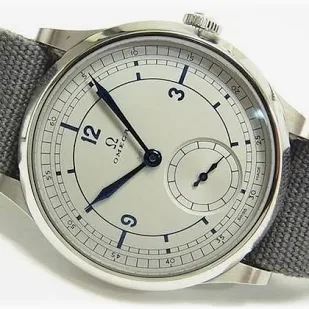
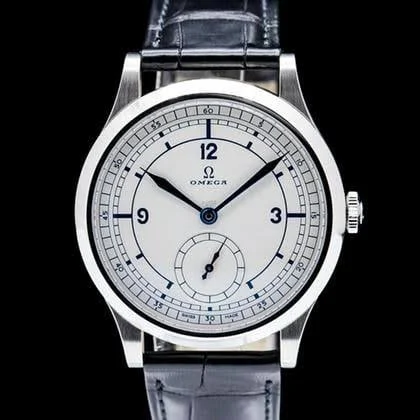
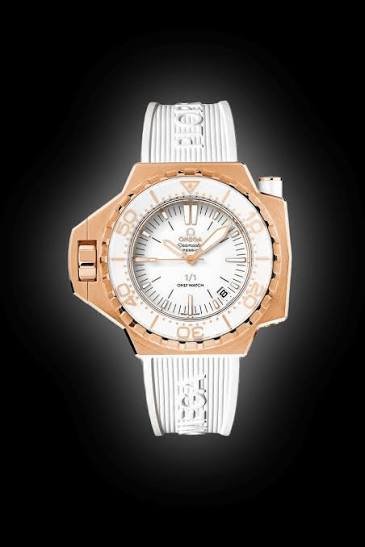
Origins and period
La Chaux-de-Fonds and Biel/Bienne, Switzerland
Founded in 1848; active today
Omega in watchmaking
Omega traces its origins to a workshop established by Louis Brandt in La Chaux-de-Fonds in 1848. His sons Louis-Paul and César later moved the business to Biel/Bienne and developed an industrialized system of interchangeable movement production. The highly successful 19-ligne Omega calibre introduced in 1894 eventually gave the company its permanent name. Omega became renowned for precision trials, Olympic timekeeping, military watches, diving instruments and space exploration. Its defining families include Seamaster, Constellation, Speedmaster and De Ville. The Speedmaster was qualified by NASA for crewed spaceflight and accompanied Apollo 11 astronauts to the Moon in 1969. Modern Omega watches emphasize Co-Axial escapements, anti-magnetic technology and METAS-certified Master Chronometer performance.
Landmark dates
1848 — Louis Brandt establishes a watchmaking workshop in La Chaux-de-Fonds.
1880 — The Brandt family moves production to Biel/Bienne and expands industrial manufacture.
1894 — The 19-ligne Omega calibre introduces an efficient interchangeable-parts system.
1903 — Omega becomes the principal company and brand name.
1932 — Omega serves as official timekeeper of the Olympic Games.
1948 — The Seamaster collection is introduced.
1952 — The Constellation family appears.
1957 — Omega launches the Speedmaster, Seamaster 300 and Railmaster professional watches.
1965 — NASA qualifies the Speedmaster for crewed space missions.
1969 — An Omega Speedmaster accompanies Apollo 11 astronauts during the first Moon landing.
1999 — Omega introduces the Co-Axial escapement in a production wristwatch.
2015 — Omega begins Master Chronometer certification with METAS.
Today — Omega continues producing precision mechanical and quartz watches within the Swatch Group.
Known for
The 1894 Omega calibre; observatory precision records; official Olympic timekeeping; Seamaster, Constellation, Speedmaster and De Ville; Railmaster and Seamaster 300; Speedmaster Moonwatch and Apollo missions; Ploprof professional dive watches; Co-Axial escapement; Master Chronometer certification; marine exploration and James Bond associations.
Movements and innovation
Omega has produced and used a broad range of manual-winding, automatic, chronograph, quartz and specialized precision movements. Historic highlights include the 19-ligne Omega calibre, observatory chronometer movements, military calibres and the manual-winding Speedmaster chronograph. Modern manufacture movements feature George Daniels’ Co-Axial escapement, free-sprung balances and high resistance to magnetic fields. Master Chronometer models are tested through the METAS certification process. Exact calibre and specifications must be matched to the reference.
Identification checklist
Check the Omega signature, case reference, serial number, movement calibre, hallmarks and case-back engravings. Vintage dials vary widely and may have been refinished, while service hands, crowns, bezels and bracelets are common. On Speedmasters, Seamaster divers and Constellations, small changes in fonts, bezel scales, case profiles and movement generations can determine the reference. Compare the watch with Omega archival information and have valuable examples inspected by an experienced specialist; photographs alone cannot establish authenticity or originality.
Preservation guidance
Service vintage and Co-Axial movements through a qualified watchmaker familiar with the specific Omega calibre. Pressure-test Seamaster and Ploprof cases after opening, but treat untested vintage watches as non-water-resistant. Avoid operating chronograph pushers underwater unless the reference explicitly permits it. Protect original dials, bezels, luminous material and case geometry; avoid aggressive polishing or unnecessary refinishing. Preserve bracelets, spare links, replaced original parts, boxes, certificates and service records.
Historical development
Louis Brandt opened a watchmaking workshop in 1848; his sons later industrialized production in Biel. The successful Omega calibre introduced in 1894 gave the company its enduring name and helped establish a history spanning precision trials, sport timing, exploration, military service, and spaceflight.