TOKYO WATCHMAKING PIONEER · FOUNDED 1881 · QUARTZ ASTRON 1969
Seiko
Kintaro Hattori opened a clock and watch shop in Tokyo in 1881 and established the Seikosha factory in 1892. Seiko grew into a vertically integrated manufacturer whose mechanical, quartz, electronic, solar, GPS, and Spring Drive developments reshaped modern timekeeping.
Abbady photographic archive
Seiko photographs
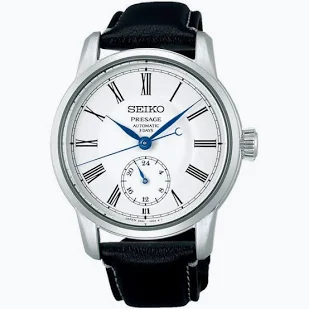
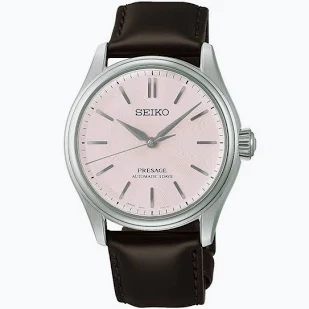
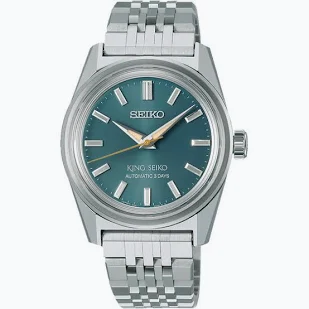
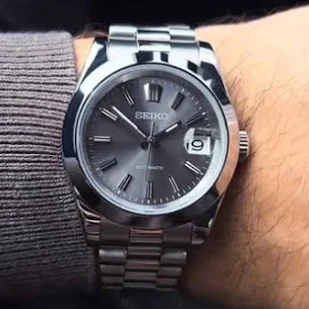

Origins and period
Tokyo, Japan
Founded by Kintaro Hattori in 1881
Seiko in watchmaking
Kintaro Hattori opened a clock and watch shop in Tokyo in 1881 and established the Seikosha factory in 1892. Seiko grew into a vertically integrated manufacturer whose mechanical, quartz, electronic, solar, GPS, and Spring Drive developments reshaped modern timekeeping.
Landmark dates
1881 — Kintaro Hattori opens a clock and watch shop in Tokyo
1892 — Seikosha clock factory is established
1913 — Laurel becomes Japan’s first domestically produced wristwatch
1924 — The first wristwatch bearing the Seiko name appears
1959 — Gyro Marvel introduces the Magic Lever winding system
1960 — The first Grand Seiko is introduced
1965 — Seiko launches Japan’s first diver’s watch
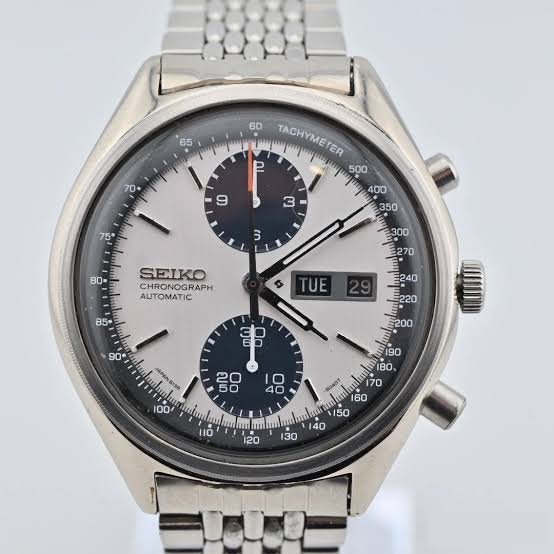
1969 — Quartz Astron 35SQ and caliber 6139 automatic chronograph debut
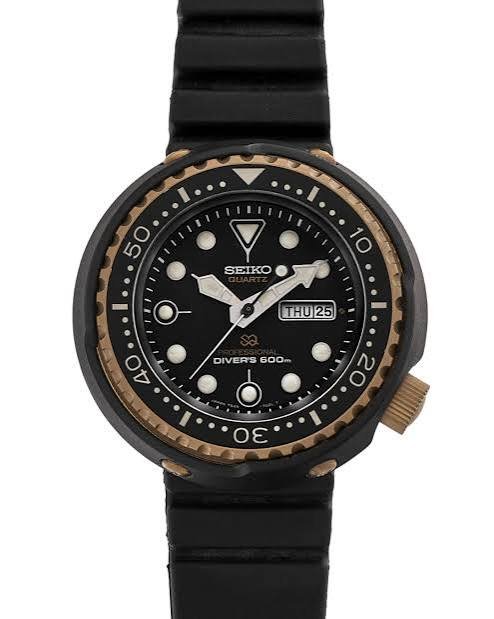
1975 — Professional 600 m titanium diver introduces the shrouded “Tuna” architecture
1999 — Spring Drive is commercialized
2012 — Astron GPS Solar is launched
2017 — Grand Seiko becomes an independent brand
Known for
Laurel, Grand Seiko, Seiko 5, Prospex, Presage, Astron quartz and GPS watches, Spring Drive, and extensive in-house manufacturing.
Movements and innovation
Major contributions include the Magic Lever automatic-winding system; the 6139 integrated automatic chronograph with column wheel and vertical clutch; the 1969 Quartz Astron; durable 7S, 4R and 6R mechanical families; professional dive-watch construction; Kinetic, solar and radio-controlled systems; GPS Solar; and Spring Drive regulation. Seiko is notable for broad in-house capability across movements, cases, dials, hands and electronic components.
Identification checklist
Check the caliber-case code and six-digit serial number on the case back; compare the dial code near six o’clock; verify that dial, hands, bezel, crown and movement match the claimed reference and production period; inspect lume consistency, case geometry and movement condition; treat exact year or originality claims cautiously when based only on a front photograph.
Preservation guidance
Service mechanical movements through a watchmaker familiar with the caliber. Do not rely on vintage water-resistance ratings without new seals and pressure testing. Preserve original dials, hands, bezels and case finishes whenever possible, document replaced components, avoid aggressive polishing, and store the watch dry and protected from magnetism and prolonged sunlight.
From Hattori’s shop to a global manufacture
Seiko’s story begins in 1881, when 21-year-old Kintaro Hattori opened a shop in Tokyo selling and repairing clocks and watches. In 1892 he established the Seikosha factory, initially producing wall clocks and later pocket watches. The name Seikosha can be translated along the lines of “House of Exquisite Workmanship,” and it expressed Hattori’s belief that dependable manufacturing and technical self-reliance were essential to the future of Japanese watchmaking.
The Laurel and the birth of Japanese wristwatch production
In 1913 Seikosha introduced the Laurel, widely recognized as Japan’s first domestically produced wristwatch. Early production remained small and relied partly on imported components, but the Laurel marked a decisive step toward integrated Japanese wristwatch manufacturing. After the Great Kanto Earthquake destroyed the company’s factory in 1923, Hattori rebuilt. In 1924 a wristwatch carrying the Seiko name appeared, establishing the identity that would become known around the world.
Precision, scale, and the postwar era
After the Second World War, Seiko expanded both its technical ambitions and its production capacity. The 1956 Marvel demonstrated a new level of in-house mechanical design, while the 1959 Gyro Marvel introduced Seiko’s Magic Lever automatic-winding system. The first Grand Seiko arrived in 1960 as a statement of domestic high precision and refined finishing. Seiko’s strong performance in the Swiss observatory competitions of the 1960s helped establish that Japanese mechanical watches could compete at the highest international level.
Sports watches and professional diving
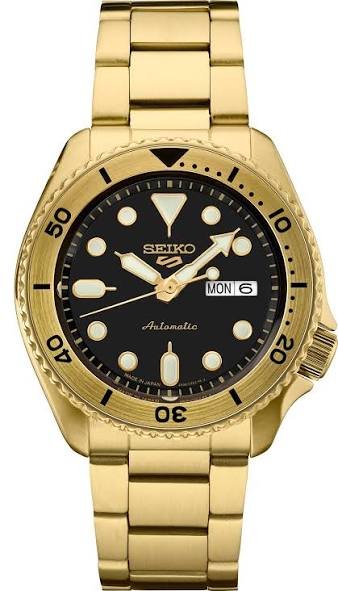
Seiko entered professional dive-watch history in 1965 with Japan’s first diver’s watch. Its successors developed a recognizable design language built around high legibility, robust cases, luminous markers, and practical timing bezels. The 1975 professional 600-metre diver introduced a titanium case and a protective outer shroud, creating the form collectors later nicknamed the “Tuna.” The company’s sports-watch legacy now continues principally through Prospex, while the long-running Seiko 5 family made automatic watches with day-date displays, durable cases, water resistance, and accessible pricing familiar to generations of owners.
The quartz revolution
On December 25, 1969, Seiko released the Quartz Astron 35SQ, the first commercial quartz wristwatch. Its electronic oscillator offered a dramatic improvement in everyday accuracy and helped transform the global watch industry. Seiko continued to develop electronic and digital timekeeping, including LCD watches, multifunction chronographs, solar power, radio synchronization, and later GPS Solar technology. Quartz did not replace Seiko’s mechanical work; instead, the company developed parallel expertise across mechanical, quartz, kinetic, solar, and hybrid systems.
Mechanical chronographs and enduring calibres
Also in 1969, Seiko introduced the caliber 6139 automatic chronograph, among the earliest automatic chronograph movements to reach the market. Its integrated construction used a column wheel and vertical clutch, a technically important combination that supports clean chronograph engagement. Later families such as the 7S, 4R, and 6R series helped sustain affordable and mid-range mechanical production, while higher-grade mechanical work continued in specialist facilities in Japan.
Spring Drive and modern collections
Spring Drive, commercialized in 1999 after decades of development, uses a mainspring for power while regulating the hands through an electronic-mechanical system rather than a conventional escapement. Its continuously gliding seconds hand became its most visible signature. Grand Seiko became an independent brand in 2017, although its history and many of its technologies remain inseparable from Seiko’s development. Within today’s Seiko-branded catalogue, Presage emphasizes mechanical watchmaking and Japanese craft traditions, Prospex focuses on sports and professional specifications, Astron advances GPS Solar technology, and Seiko 5 Sports continues the accessible automatic tradition.
How to identify a Seiko watch
Identification should begin with the dial, case back, and movement rather than appearance alone. Many Seiko case backs carry a two-part caliber and case code such as “6138-8020” or “6309-7040.” A six-digit serial number commonly indicates the year within a decade and the month of production, but the correct decade must be established from the movement, reference, logo style, and known production period. Dial codes printed near six o’clock can offer additional evidence. Replacement dials, hands, bezels, inserts, crowns, and refinished cases are common, especially among vintage divers and chronographs, so originality should never be judged from the logo alone.
Collector and preservation notes
Before buying a vintage example, compare the dial code, movement caliber, case reference, serial number, and component style with reliable period references. Inspect water-damaged dials, corroded movements, over-polished case edges, and mismatched lume. Mechanical watches should be serviced by a watchmaker familiar with the caliber. Old water-resistance claims should never be trusted without fresh gaskets and pressure testing. Preserve original components whenever practical, document all service work, and store the watch dry and away from magnetic fields and prolonged direct sunlight.
Legacy
Seiko’s importance rests on unusual breadth. It helped establish Japanese wristwatch production, advanced mass-produced mechanical movements, reshaped world timekeeping through quartz, built professional instruments for diving and sport, and developed Spring Drive and GPS Solar systems. From affordable everyday watches to highly specialized instruments, Seiko’s history is a record of continuous industrial experimentation supported by extensive in-house manufacturing.
References and credits
Seiko Heritage ↗Seiko Presage ↗Seiko Prospex ↗Grand Seiko History ↗Seiko Museum Ginza ↗