BRITISH MARKET BRAND · INTRODUCED 1966 · SOVIET EXPORT ORIGINS
Sekonda
Sekonda was created for the British market to distribute affordable watches manufactured in the Soviet Union. After the end of the Soviet era, production sourcing changed, but Sekonda remained a familiar British name in accessible mechanical, quartz, fashion, and sports watches.
Abbady photographic archive
Sekonda photographs
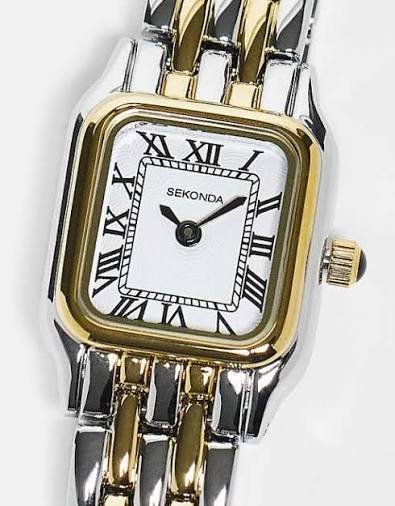
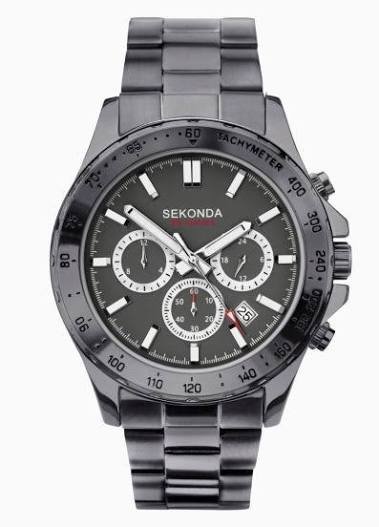
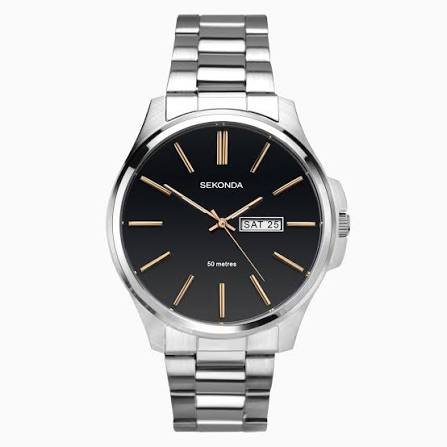


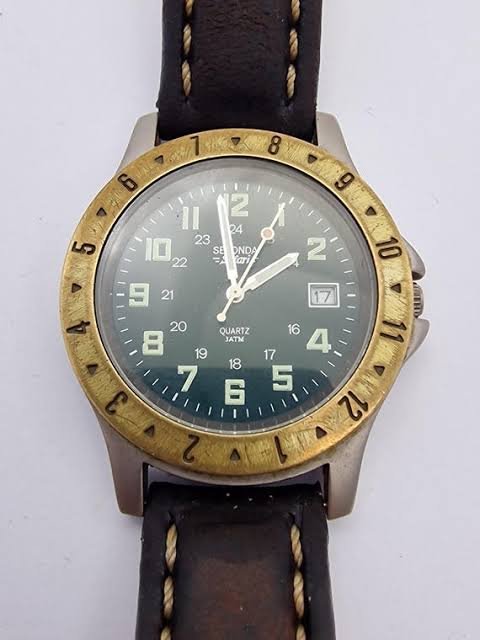
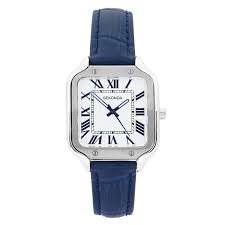


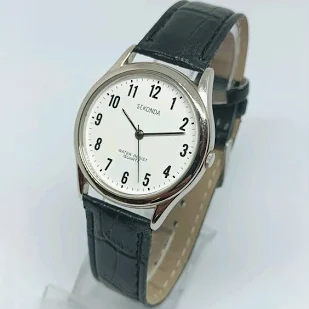
Origins and period
United Kingdom, originally sourcing Soviet watches
Brand introduced in Britain in 1966
Sekonda in watchmaking
Sekonda was created for the British market to distribute affordable watches manufactured in the Soviet Union. After the end of the Soviet era, production sourcing changed, but Sekonda remained a familiar British name in accessible mechanical, quartz, fashion, and sports watches.
Landmark dates
1966 — Sekonda is introduced for the British market
Late 1960s — Soviet-made mechanical watches appear under the Sekonda export name
1970s — The range expands across dress, calendar, sports and chronograph models
1980s — Quartz watches become increasingly important
1988 — Sekonda is reported as the United Kingdom’s bestselling watch brand
1991 — The Soviet Union dissolves, ending the original industrial framework
1990s — Sourcing shifts away from former Soviet factories
2000s — Sekonda expands affordable quartz, fashion and sports collections
Present — Sekonda continues as a British-designed value watch brand
Known for
Soviet-made export watches, Poljot and Raketa associations, affordable British-market watches, chronographs, and everyday quartz models.
Movements and innovation
Vintage Sekonda watches were sourced from multiple Soviet factories and may contain Poljot, Slava, Raketa, Luch and other calibre families, including manual-wind, automatic, alarm, calendar and chronograph movements. Modern Sekonda production is predominantly quartz and internationally sourced. Movement inspection is essential because the Sekonda dial name alone does not identify a specific factory or calibre.
Identification checklist
Check the dial, case back and movement for USSR, Made in USSR, factory, calibre and reference markings. Compare movement architecture, dial printing, calendar layout, hands and case style with documented Soviet models. Separate Soviet-era export watches from later internationally sourced Sekonda products. Do not assign an exact factory, movement or year from the front photograph alone.
Preservation guidance
Service vintage mechanical movements before regular use and never force a stiff crown. Do not rely on original water-resistance claims. Preserve country-of-origin and factory markings, avoid aggressive polishing, photograph the movement during service and retain replaced parts. Remove exhausted quartz batteries promptly to prevent leakage.
A British name with Soviet beginnings
Sekonda was introduced in Britain in 1966 as an export name for affordable watches made in the Soviet Union. Rather than representing one factory or one movement family, the Sekonda signature appeared on watches supplied from several Soviet manufacturers for sale in Western markets. This unusual origin explains why vintage Sekonda watches range from simple hand-wound dress models to automatics, alarm watches, pocket watches, chronographs, and electronic pieces.
The export system
The Soviet watch industry was organized around large specialist factories. Watches sold as Sekonda could be related to established domestic brands and factories including Poljot at the First Moscow Watch Factory, Slava at the Second Moscow Watch Factory, Raketa at Petrodvorets, Luch at Minsk, and other producers. Many were existing Soviet designs carrying an export-friendly Sekonda dial. The English-language name helped distributors present dependable, inexpensive mechanical watches to British buyers without requiring customers to understand the complex Soviet factory system.
Growth in the British market
Sekonda built its reputation on value: practical watches, recognizable styling, and prices accessible to a broad public. Mechanical models from the 1960s through the 1980s often combined straightforward cases and dials with proven Soviet movements. The range was broad enough to include men’s and women’s watches, calendar models, sports designs, and chronographs. Sekonda became highly familiar on the British high street and, according to company and distributor accounts, reached leading sales positions in the United Kingdom.
Quartz and changing production
The quartz era changed Sekonda just as it changed the wider industry. Affordable battery-powered watches offered high accuracy, thin cases, and a much wider variety of fashion designs. As the Soviet system ended, Sekonda’s sourcing and commercial identity changed. The modern brand is British-designed and no longer represents Soviet production. Contemporary collections are sourced internationally and emphasize accessible quartz dress watches, chronographs, sports watches, jewellery-style women’s models, and smartwatches.
Two distinct collecting periods
Collectors should distinguish clearly between vintage Soviet-made Sekonda watches and later British-market Sekonda products. A dial marked “Sekonda” does not by itself identify the factory or movement. Earlier examples may have “USSR,” “Made in USSR,” or related export markings, while the movement can reveal a recognizable Soviet calibre family. Later watches may use Japanese or other internationally sourced quartz movements and cases. Both periods belong to Sekonda’s history, but they represent different manufacturing systems and collecting interests.
Movements and technical character
Vintage Sekonda watches can contain many movement types because the name covered output from multiple factories. Manual-wind and automatic calibres, day-date mechanisms, alarm movements, and mechanical chronographs may all appear. Some chronographs are associated with Poljot families, while dress watches may correspond to Slava, Raketa, Luch, or other Soviet designs. Modern Sekonda watches are predominantly quartz. Exact identification therefore requires examining the movement, case back, reference markings, and country-of-origin text rather than relying on the dial name.
How to identify a Sekonda watch
Begin by photographing the dial, case back, movement, inner case, crown, and bracelet or strap fittings. Record all numbers and inscriptions. For a claimed Soviet-era example, check whether the movement architecture and markings agree with the stated factory and period. Compare dial printing, hand style, calendar layout, and case form with documented examples of the underlying Soviet model. On modern pieces, use the case reference and official product information when available. Avoid assigning a specific factory, calibre, or year from a front photograph alone.
Collector and preservation notes
Many vintage Sekonda watches were everyday working objects and may show heavy wear, replaced crystals, refinished dials, or mixed service parts. Mechanical pieces should be inspected and serviced before regular use, especially if their history is unknown. Do not assume water resistance on an older watch. Preserve original export markings and factory stamps, avoid aggressive polishing, document the movement during servicing, and retain replaced components. Quartz watches should have exhausted batteries removed promptly to prevent leakage damage.
Legacy
Sekonda occupies a distinctive place in watch history: a British household name that first introduced large numbers of Western buyers to Soviet-made watches, then successfully evolved into a modern affordable-fashion brand. Its archive therefore connects two stories—the industrial diversity of Soviet horology and the changing tastes of the British mass market.