German pilot-watch engineering since 1927
Tutima
Tutima originated in Glashütte in 1927 from UROFA and UFAG, the movement and watchmaking companies directed by Dr. Ernst Kurtz. The name, derived from a Latin word associated with safety and security, was applied to especially dependable watches. Tutima became renowned for pilot chronographs, continued in western Germany after 1945, supplied the German armed forces with its Military Chronograph, and ultimately returned manufacture watchmaking to Glashütte.
Abbady photographic archive
Tutima photographs
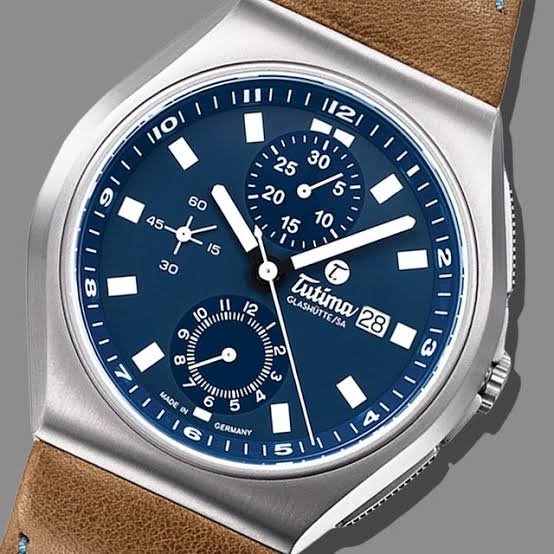
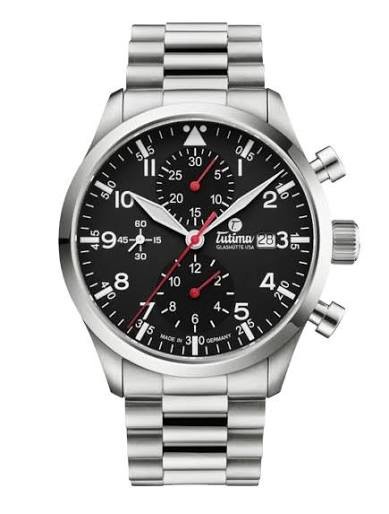
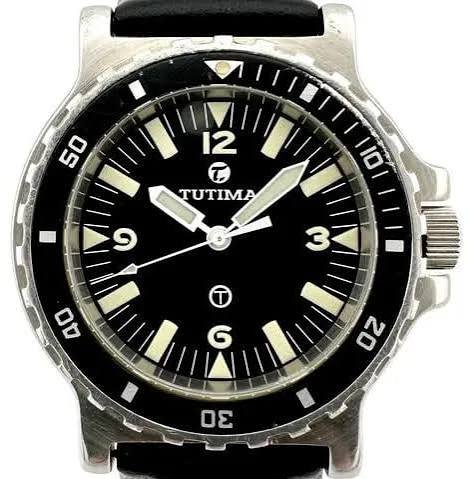
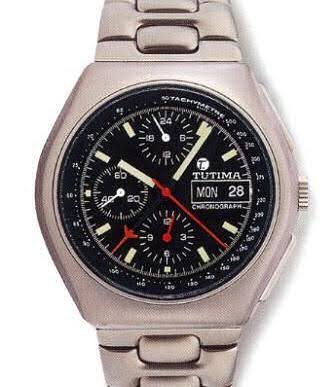
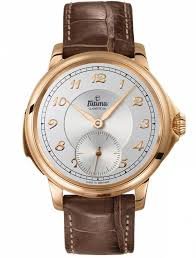
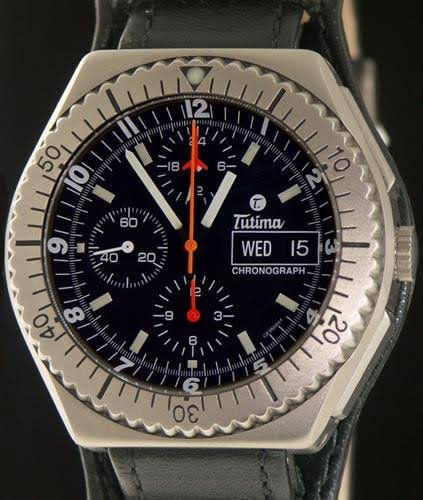
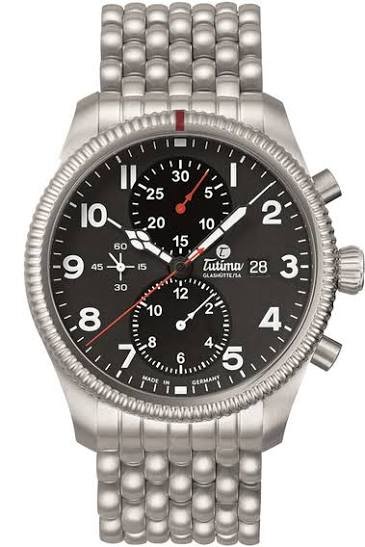
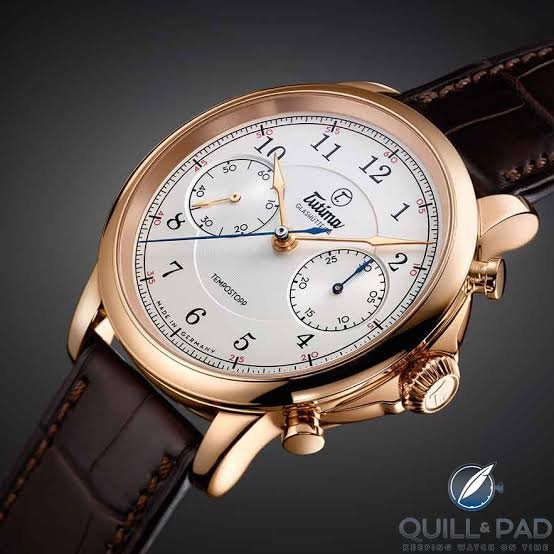
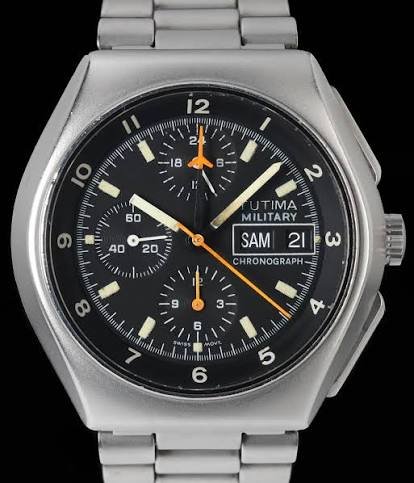
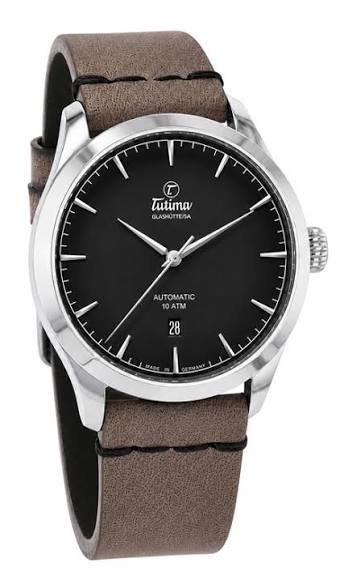
Origins and period
Glashütte, Saxony, Germany
Established in Glashütte in 1927; returned to Glashütte manufacture in the modern era
Tutima in watchmaking
Tutima originated in Glashütte in 1927 from UROFA and UFAG, the movement and watchmaking companies directed by Dr. Ernst Kurtz. The name, derived from a Latin word associated with safety and security, was applied to especially dependable watches. Tutima became renowned for pilot chronographs, continued in western Germany after 1945, supplied the German armed forces with its Military Chronograph, and ultimately returned manufacture watchmaking to Glashütte.
Landmark dates
1927 — UROFA and UFAG were founded in Glashütte under Dr. Ernst Kurtz; the Tutima name emerged for especially durable watches
1940s — Tutima produced landmark German pilot chronographs with additive timing and flyback capability
1945 — Operations were re-established in western Germany after the Second World War
1960s — Dieter Delecate began shaping the modern company’s continuation
1984 — The Tutima Military Chronograph reference 798 was selected as an official pilot’s watch for NATO and German military aviation
2008 — Tutima’s new Glashütte manufacture began operation
2011 — The Hommage minute repeater marked Tutima’s return to manufacture status in Glashütte
2013 — Tutima presented the Saxon One, M2, Patria and Grand Flieger families made in Glashütte
2017 — The Tempostopp debuted with Tutima’s Glashütte-made Calibre T659 flyback chronograph movement
Known for
Glashütte pilot chronographs, 1940s flyback chronographs, the NATO Military Chronograph reference 798, Grand Flieger, M2, Saxon One, Patria, Hommage minute repeater, and Tempostopp manufacture flyback chronograph.
Movements and innovation
Tutima’s heritage includes the UROFA Calibre 59 pilot chronograph and early German flyback chronographs. The Military Chronograph used the rugged automatic Lémania 5100 and integrated pushers for gloved operation. Modern achievements include the Hommage minute-repeater calibre, the hand-wound Patria movement, Calibre T659 in the Tempostopp flyback chronograph and Calibre Tutima 521 with a central chronograph-minute display.
Identification checklist
Check the dial signature and Glashütte or Made in Germany wording, case and reference numbers, movement calibre and signatures, chronograph layout, day-date language, bezel and pusher design, and consistency with official archive photographs. Vintage military and pilot chronographs should be examined for replaced dials, hands, bezels, movements or cases, and any claimed military provenance should be documented.
Preservation guidance
Have chronographs serviced only by a qualified watchmaker experienced with vintage flyback and Lémania-based mechanisms. Do not polish historically important cases or relume original dials and hands. Test water resistance before moisture exposure, avoid operating pushers underwater unless the reference explicitly permits it, and preserve service records, replaced components and military provenance.
Historical development
Tutima emerged from the Glashütte companies directed by Dr. Ernst Kurtz, where modernized production supported robust wristwatches and military flyback chronographs. After World War II the business continued in western Germany and eventually returned watch production to Glashütte.