Swiss tool-watch heritage since 1926
Tudor
TUDOR was conceived by Rolex founder Hans Wilsdorf as a maker of dependable Swiss watches offered at a more accessible price. The trademark was registered for him in 1926 and Montres TUDOR S.A. was established in 1946. Oyster-cased automatic watches, professional diving instruments, distinctive chronographs, and modern manufacture calibres shaped the brand’s identity.
Abbady photographic archive
Tudor photographs
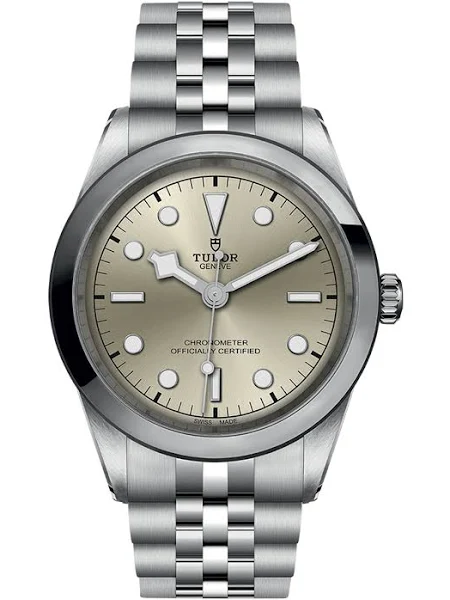

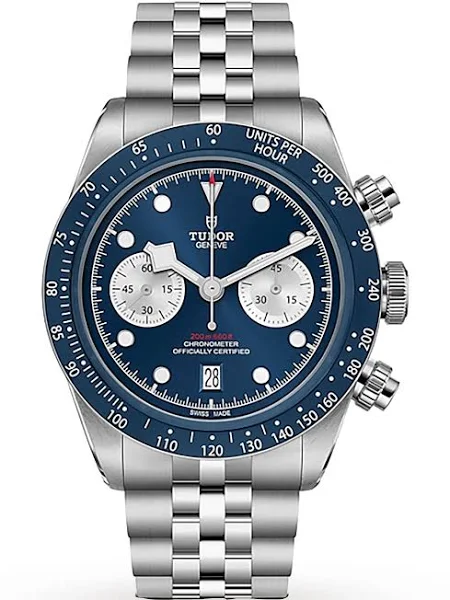
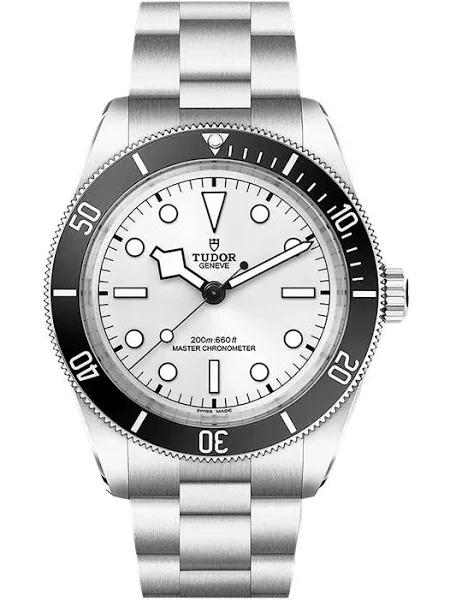
Origins and period
Geneva, Switzerland
Trademark registered 1926; Montres TUDOR S.A. established 1946
Tudor in watchmaking
TUDOR was conceived by Rolex founder Hans Wilsdorf as a maker of dependable Swiss watches offered at a more accessible price. The trademark was registered for him in 1926 and Montres TUDOR S.A. was established in 1946. Oyster-cased automatic watches, professional diving instruments, distinctive chronographs, and modern manufacture calibres shaped the brand’s identity.
Landmark dates
1926 — The TUDOR trademark was registered for Hans Wilsdorf
1936 — Hans Wilsdorf acquired the TUDOR trademark and the rose-and-shield emblem appeared
1946 — Montres TUDOR S.A. was established in Geneva
1952 — The self-winding TUDOR Oyster Prince was launched
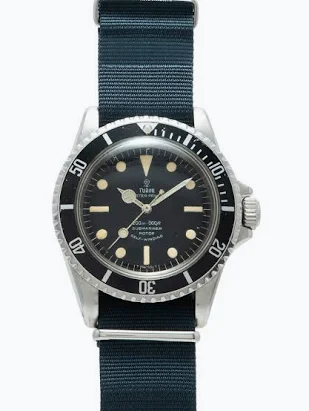
1954 — The first TUDOR Oyster Prince Submariner, reference 7922, debuted
1969 — The shield replaced the rose as the principal logo and snowflake hands appeared on new Submariners
1970 — TUDOR introduced its first chronograph, the Oysterdate
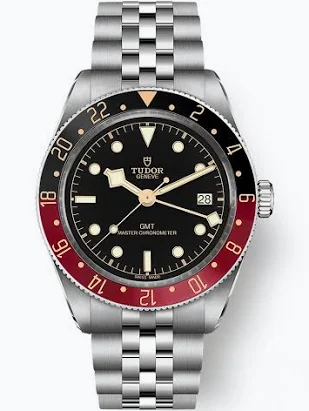
2012 — The heritage-inspired Black Bay family was introduced
2015 — TUDOR presented its first widely used in-house manufacture movement generation
Known for
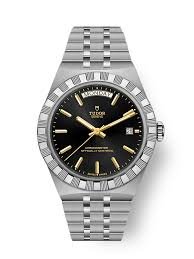
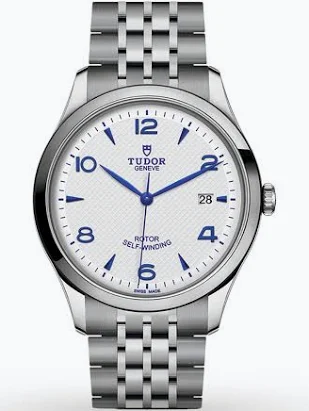
Oyster Prince, Tudor Submariner, Black Bay, Pelagos, Ranger, Royal and 1926 collections; snowflake hands; professional and military diving watches; chronographs; robust cases; and modern manufacture calibres.
Movements and innovation
Early TUDOR watches combined proven Swiss movements with waterproof Oyster-type cases and self-winding rotor systems. The brand developed professional dive-watch layouts, highly legible snowflake hands and distinctive chronographs. Modern models use TUDOR manufacture calibres with chronometer certification, long power reserves and, in selected references, METAS Master Chronometer testing.
Identification checklist
Check the reference and serial numbers between the lugs or on the case, dial logo appropriate to the production period, case-back and crown markings, movement signature and calibre, bracelet reference, bezel and hand configuration, and period-correct luminous material. Compare vintage examples with official archive imagery and obtain an expert inspection because refinished dials, replacement parts and counterfeits are common.
Preservation guidance
Have vintage pieces serviced by a qualified watchmaker familiar with TUDOR and Rolex-family construction. Do not polish historically important cases or replace original dials, hands or bezels without documenting the change. Test water resistance before exposure to moisture, avoid operating the crown or pushers underwater, and retain service papers, replaced components and provenance.
Historical development
Hans Wilsdorf developed Tudor to offer dependable watches with the credibility of Rolex distribution and case expertise at a more accessible price. The brand built a strong identity through robust Oyster-cased watches, military diving use, chronographs, and later manufacture movements.