The father of English clockmaking
Thomas Tompion
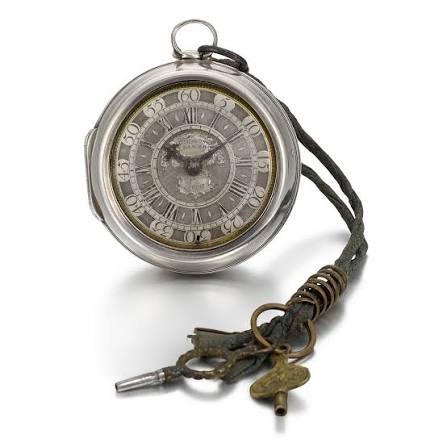
Thomas Tompion was the leading English clockmaker of the late seventeenth and early eighteenth centuries. Working in London from the early 1670s, he produced precision clocks, watches, and scientific instruments for royal, scientific, and private patrons. His carefully organized and numbered output helped establish standards of workmanship that shaped later English horology.
Abbady photographic archive
Thomas Tompion photographs


Origins and period
London, England
1639–1713
Thomas Tompion in watchmaking
Thomas Tompion was the leading English clockmaker of the late seventeenth and early eighteenth centuries. Working in London from the early 1670s, he produced precision clocks, watches, and scientific instruments for royal, scientific, and private patrons. His carefully organized and numbered output helped establish standards of workmanship that shaped later English horology.
Landmark dates
1639 — Baptised at Northill, Bedfordshire
1671 — Recorded in London, establishing a business in Water Lane near Fleet Street
1674 — Worked with Robert Hooke and supplied a turret clock for the Tower of London
1676 — Supplied precision regulators for the Royal Observatory at Greenwich
1703 — Became Master of the Clockmakers’ Company
1711 — Entered partnership with George Graham
1713 — Died in London and was buried in Westminster Abbey
Known for
Precision longcase and table clocks; early balance-spring and repeating watches; numbered production; commissions for the Royal Observatory at Greenwich; work with Robert Hooke; and the workshop legacy continued by George Graham.
Movements and innovation
Tompion advanced English precision timekeeping through refined verge and balance-spring watchmaking, accurate regulators, repeating mechanisms, calendar work, and highly disciplined workshop production. His surviving watches and clocks are valued for technical quality, restrained design, and consistent numbering.
Identification checklist
Check for a signed movement or dial, a London signature, a workshop serial number, period-correct case and hallmarks, and construction consistent with late seventeenth- or early eighteenth-century English work. Confirm attribution against museum catalogues or a specialist horological reference; signatures and cases may be later additions.
Preservation guidance
Historic Tompion watches and clocks should be handled by an accredited horological conservator. Avoid polishing original surfaces, replacing parts, or running a dry or unexamined movement. Maintain stable temperature and humidity, protect from shock and magnetism, and retain all provenance and service records.
Historical development
Thomas Tompion became the leading English clockmaker of his era from his workshop at the sign of the Dial and Three Crowns in Fleet Street. His numbered clocks and watches combined scientific precision, excellent workmanship, and disciplined production, influencing generations of English makers.