A pioneer of American mechanized watch manufacturing
Waltham
Waltham helped transform watchmaking through machinery, standardized gauges and interchangeable components. Its Massachusetts factory became a leading example of the American system of watch manufacturing and produced pocket watches, railroad-grade movements and wristwatches on an industrial scale.
Abbady photographic archive
Waltham photographs
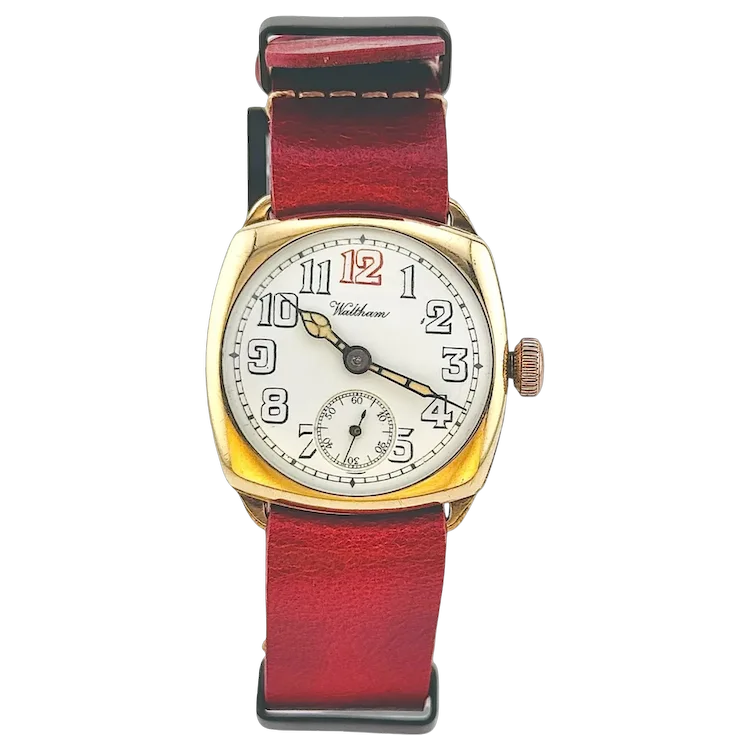
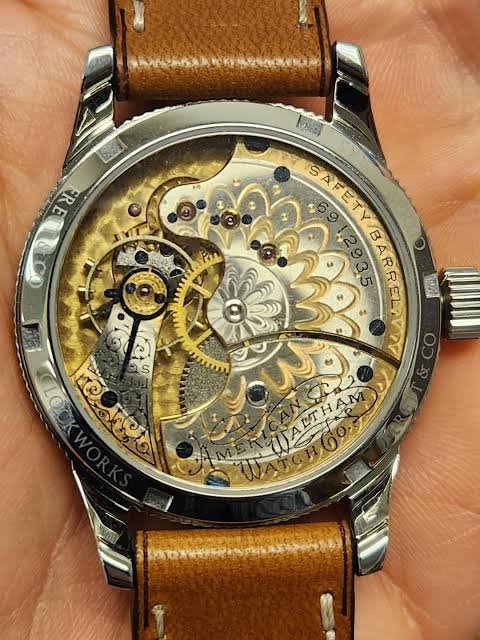
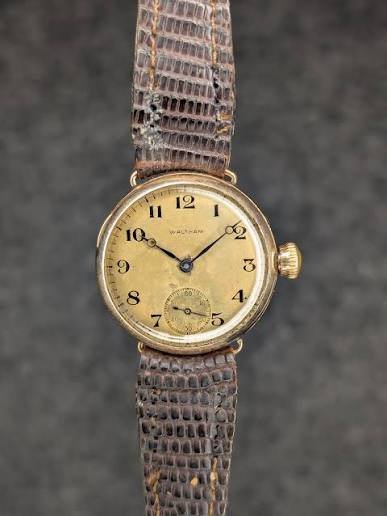
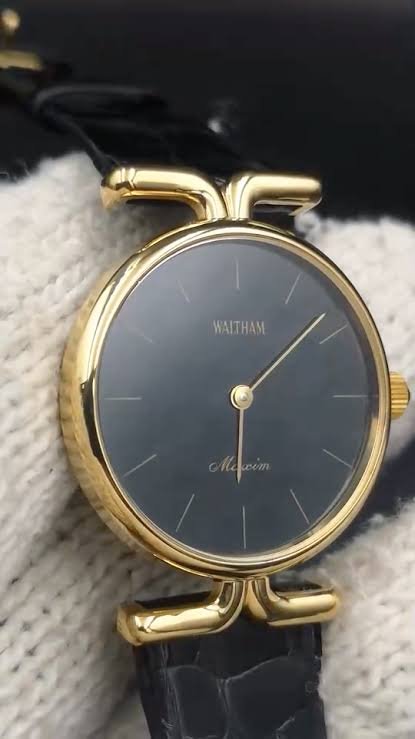
Origins and period
Roxbury and Waltham, Massachusetts, United States
Enterprise founded in 1850; production moved to Waltham in 1854; historic factory era ended in the mid-twentieth century
Waltham in watchmaking
Waltham helped transform watchmaking through machinery, standardized gauges and interchangeable components. Its Massachusetts factory became a leading example of the American system of watch manufacturing and produced pocket watches, railroad-grade movements and wristwatches on an industrial scale.
Landmark dates
1850 — Aaron Lufkin Dennison and his partners established the enterprise that evolved into Waltham.
1853 — The company adopted the Boston Watch Company name.
1854 — Watch production moved to the new factory in Waltham, Massachusetts.
1857 — The reorganized enterprise became the American Watch Company.
1860s — Factory production expanded rapidly using specialized machinery and interchangeable components.
1885 — The company became the American Waltham Watch Company.
1907 — The Waltham Watch Company name was adopted.
Early 1900s — Waltham produced prominent railroad, military, commercial and civilian timepieces.
1950s — The historic Massachusetts manufacturing era came to an end.
Later 20th century — Waltham-branded Swiss and other internationally produced watches continued under later ownership and licensing arrangements.
Known for
The American system of watch manufacturing, interchangeable components, railroad-grade pocket watches, Riverside and Vanguard grades, large-scale Massachusetts production, and major influence on international watchmaking.
Movements and innovation
Waltham developed machinery, gauges and organized production methods that enabled watch movements to be assembled from standardized, interchangeable components. The company produced many movement sizes and grades, from affordable everyday watches to adjusted railroad and high-grade movements. Serial numbers and grade markings are central to identification.
Identification checklist
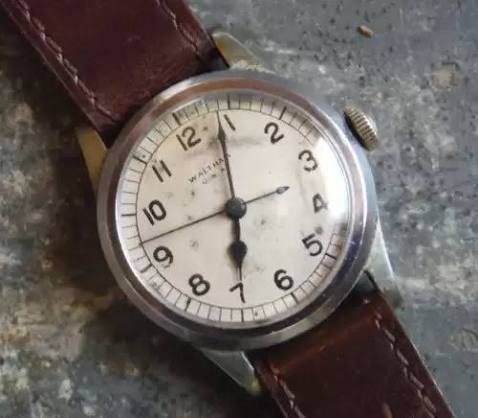
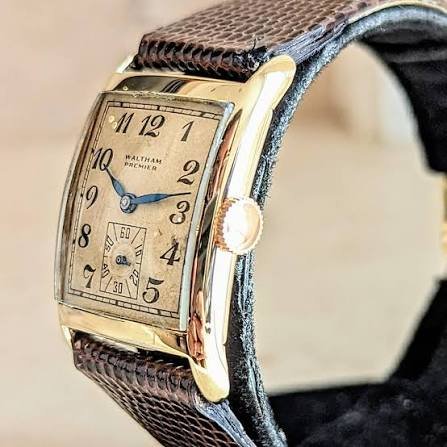
Inspect the movement—not only the dial—for company name, grade, jewel count and serial number. Record case material, hallmarks and case-maker marks separately because many movements were cased by retailers. Compare serial numbers with reputable production records. Distinguish historic American-made Waltham movements from later Swiss-made or licensed Waltham watches. Treat originality as unverified when only a front photograph is available.
Preservation guidance
Use a watchmaker experienced with American antique movements. Do not run a dry or dirty movement. Preserve original dials, hands, blued screws and decorative movement finishes. Avoid aggressive polishing of cases and never clean a movement with household products. Store away from moisture and magnets, and do not assume any vintage wristwatch remains water-resistant.
American industrial watchmaking
Waltham stands at the center of nineteenth-century American watchmaking. Aaron Lufkin Dennison and his partners sought to replace traditional hand-fitting with specialized machinery, standardized gauges and interchangeable components. Production moved from Roxbury to Waltham, Massachusetts, in 1854, where the factory helped establish what became known as the American system of watch manufacturing.
Mass production and global influence
During the 1850s the company developed factory methods that made reliable watches in large quantities. The Smithsonian describes the Waltham enterprise as the first firm to mass-produce watches by machine. Its manufacturing system influenced watch factories in the United States and abroad and helped make accurate personal timekeeping more widely affordable.
Names, grades and production
The enterprise operated under several names, including the Boston Watch Company, American Watch Company, American Waltham Watch Company and Waltham Watch Company. It produced a vast range of pocket-watch movements and later wristwatches, including railroad-grade and high-grade movements. Collectors should identify a watch by its movement markings and serial number rather than relying on the dial alone.
Later Waltham-branded watches
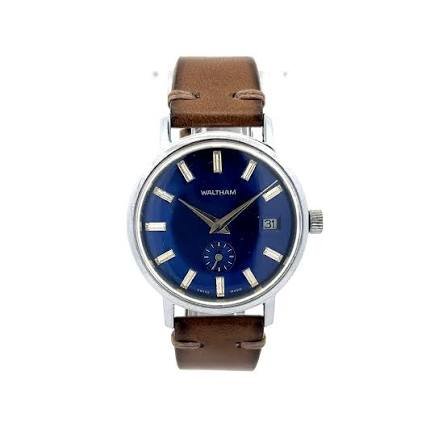
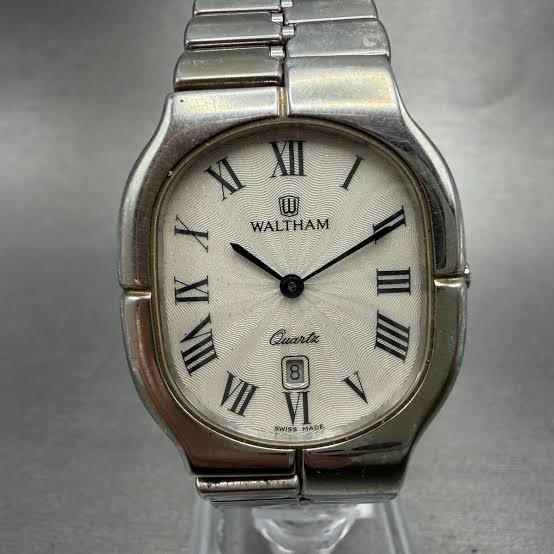
After the historic Massachusetts factory era ended in the mid-twentieth century, the Waltham name continued on watches made through later corporate and licensing arrangements, including Swiss-made mechanical and quartz wristwatches. These later products should be distinguished from nineteenth- and early-twentieth-century American factory production.
Collecting and preservation
Originality can be difficult to establish because movements, cases, dials and hands were sometimes combined or replaced during decades of service. Movement serial numbers, grade names, case hallmarks and period catalogues are essential evidence. Vintage watches should be serviced conservatively, and historic dials and movement finishes should not be refinished.