Swiss Design, Faceted Crystal and Family Craftsmanship
Jowissa
Founded by Josef Wyss in Bettlach in 1951, Jowissa developed as an independent, family-owned Swiss watch company focused on fashionable watches at accessible prices. Its most recognizable contribution is the use of precisely cut, jewel-like watch crystals, an idea associated with its 1960s pendant watches and still central to the brand’s identity. Across later decades Jowissa adopted ceramic cases, quartz technology, unconventional natural materials and contemporary automatic watches while retaining assembly and quality control in Bettlach.
Abbady photographic archive
Jowissa photographs
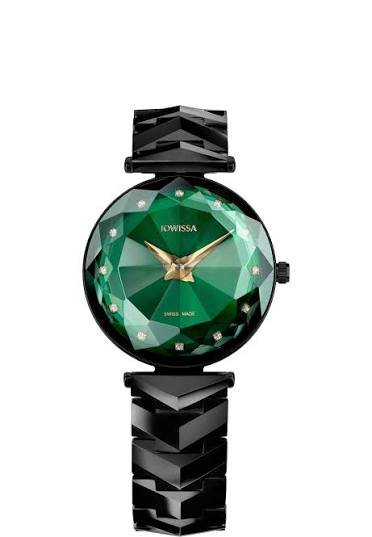
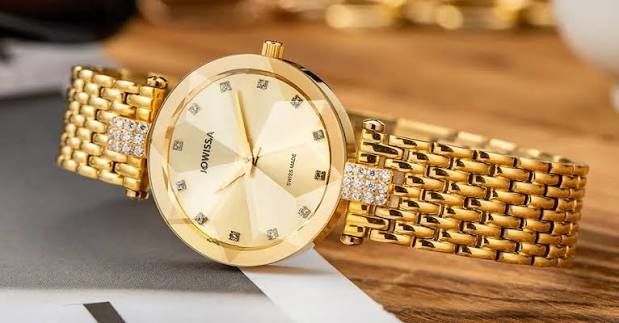
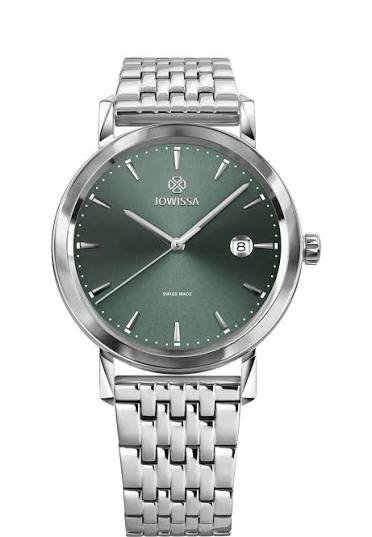
Origins and period
Bettlach, Switzerland
Founded 1951
Jowissa in watchmaking
Founded by Josef Wyss in Bettlach in 1951, Jowissa developed as an independent, family-owned Swiss watch company focused on fashionable watches at accessible prices. Its most recognizable contribution is the use of precisely cut, jewel-like watch crystals, an idea associated with its 1960s pendant watches and still central to the brand’s identity. Across later decades Jowissa adopted ceramic cases, quartz technology, unconventional natural materials and contemporary automatic watches while retaining assembly and quality control in Bettlach.
Landmark dates
1951 — Josef Wyss founds Jowissa in Bettlach, in Switzerland’s canton of Solothurn.
1950s — The company develops fashionable, affordable wristwatches as watches become increasingly important personal accessories.
1960s — Jowissa becomes known for pendant watches with cut glass, using polished facets to create jewel-like reflections.
1970s — The collection expands through the company’s in-house production of ceramic watch cases.
1980s — Jowissa adopts the newly established quartz technology across its watchmaking.
1990s — Woodtime and Stonetime introduce cases made from wood and stone.
2020s — The third-generation family business continues from Bettlach with quartz, chronograph and automatic collections.
2025 — Jowissa reports distribution in more than 30 countries and emphasizes hand assembly and inspection in Bettlach.
2026 — The company marks 75 years of independent Swiss watchmaking.
Known for
Diamond-cut and faceted watch crystals, colorful jewelry-inspired dress watches, Swiss quartz and automatic models, and continuous family ownership since 1951.
Movements and innovation
Jowissa’s historical importance rests more on design, materials and accessible Swiss production than on proprietary high-complication calibres. Its signature technical-aesthetic feature is faceted crystal cutting, which shapes mineral or sapphire glass so that its polished surfaces catch light like a gemstone. The company moved from traditional mechanical watches into quartz during the 1980s and today offers Swiss quartz models alongside automatic watches such as the Virtuo collection. Movement type and crystal material vary by reference and should always be checked against the exact model specification.
Identification checklist
Record the complete dial signature, the words “Swiss Made,” case-back reference, case material, dimensions, movement type and bracelet or strap construction. Examine the crystal from the side to distinguish Jowissa’s faceted or diamond-cut profiles from a conventional flat crystal. Compare the logo and typography with period catalogues because branding and case styles changed over time. Confirm whether the crystal is mineral glass or sapphire and whether the movement is quartz or automatic from the exact reference, not from appearance alone. Vintage ceramic, wood and stone cases require especially careful condition inspection.
Preservation guidance
Protect faceted crystals and highly polished cases from knocks and abrasive contact; replacement crystals may be reference-specific and can change the watch’s original appearance. Never assume water resistance on a vintage example, and have seals pressure-tested before exposure to water. Replace quartz batteries promptly to reduce leakage risk. Mechanical models should be serviced by a qualified watchmaker using the correct movement documentation. Avoid aggressive polishing, especially on sharp facets, plated surfaces, ceramic, wood or stone cases, and retain original bracelets, clasps, boxes, papers and replaced components.
Historical development
Josef Wyss founded Jowissa in Bettlach in 1951. The family-owned Swiss company became associated with accessible dress watches and a distinctive method of cutting and polishing mineral crystal to create jewel-like reflections.