From Danish Horological Dynasty to Swiss and American Watch Brand
Jules Jürgensen
Jules Frederik Jürgensen, a son of celebrated Danish chronometer maker Urban Jürgensen, moved to Le Locle in 1835 and established the Swiss branch that became known as Jules Jürgensen Copenhagen. Its nineteenth- and early twentieth-century watches ranged from refined time-only pieces to complicated pocket watches. After the family era, the name passed through Heuer-associated, American and later mass-market ownership, producing a much broader range of Swiss and Japanese-movement wristwatches and quartz watches. Collectors must therefore distinguish early high-grade Jürgensen horology from later watches that share the historic name.
Abbady photographic archive
Jules Jürgensen photographs
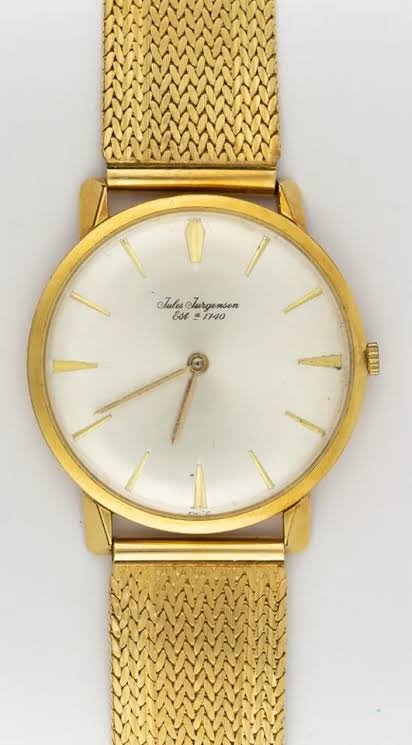
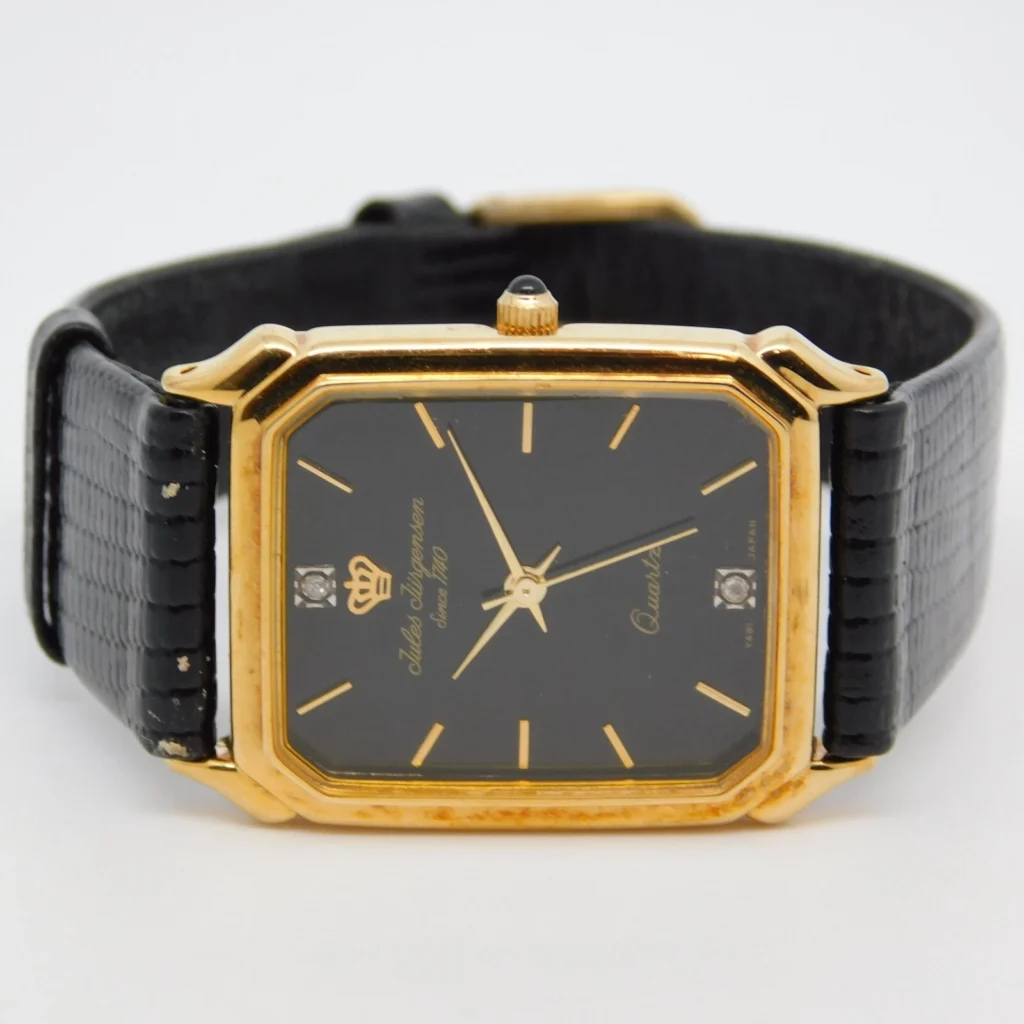
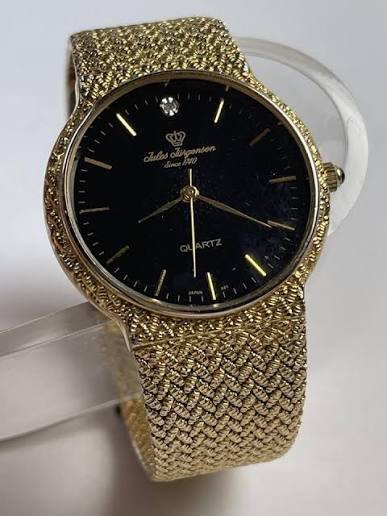
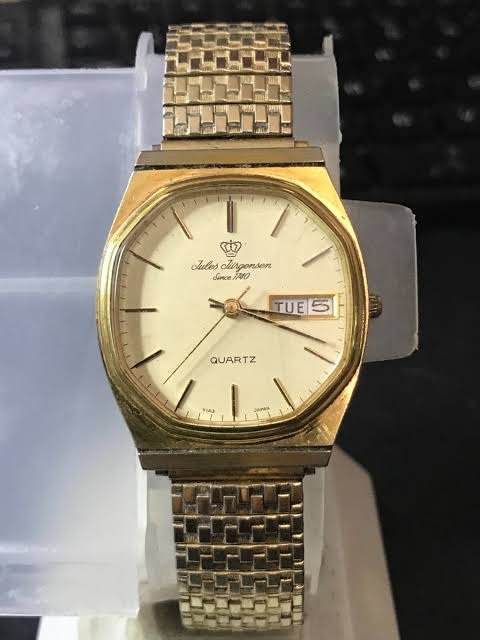
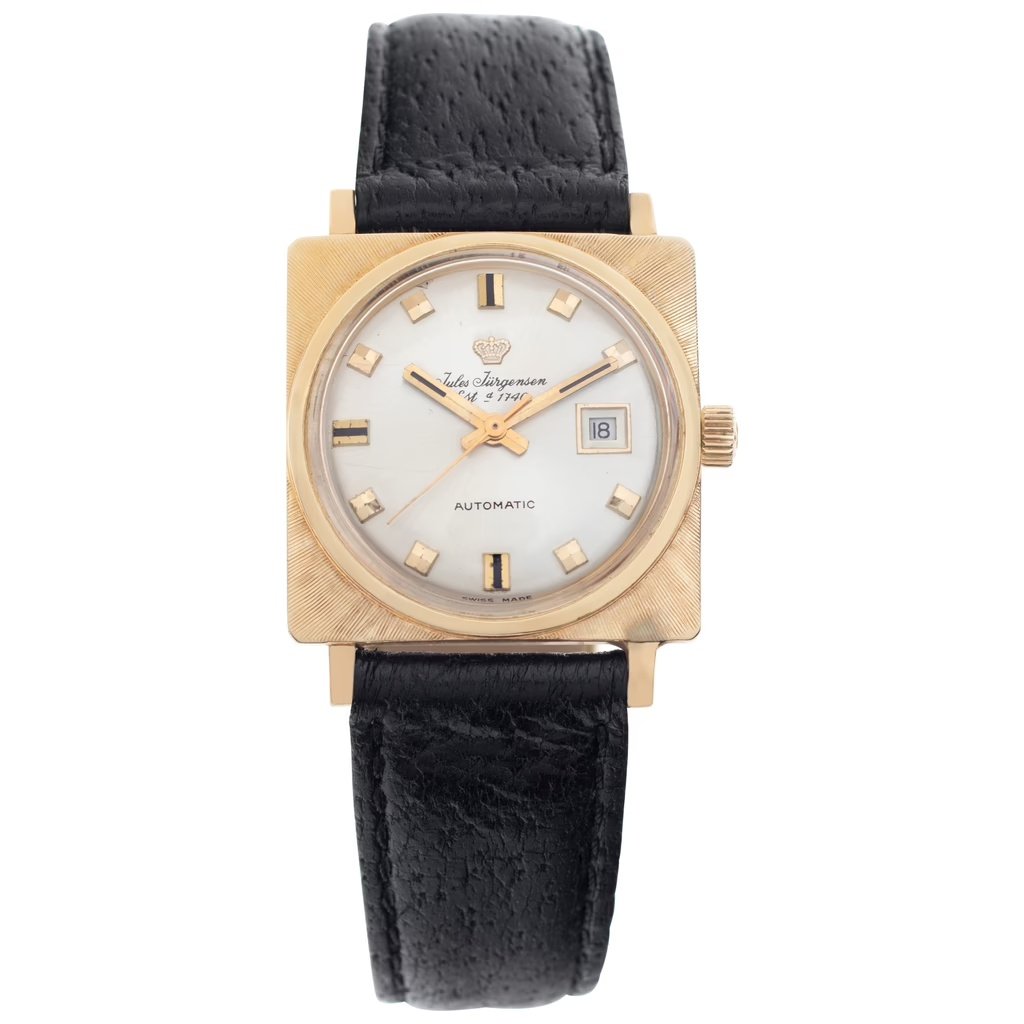
Origins and period
Copenhagen, Denmark; later Swiss production
Jürgensen family tradition from the eighteenth century
Jules Jürgensen in watchmaking
Jules Frederik Jürgensen, a son of celebrated Danish chronometer maker Urban Jürgensen, moved to Le Locle in 1835 and established the Swiss branch that became known as Jules Jürgensen Copenhagen. Its nineteenth- and early twentieth-century watches ranged from refined time-only pieces to complicated pocket watches. After the family era, the name passed through Heuer-associated, American and later mass-market ownership, producing a much broader range of Swiss and Japanese-movement wristwatches and quartz watches. Collectors must therefore distinguish early high-grade Jürgensen horology from later watches that share the historic name.
Landmark dates
1773 — Jørgen Jørgensen’s Copenhagen enterprise begins the family watchmaking tradition.
1776 — Urban Jürgensen is born and later becomes an internationally trained chronometer maker.
1830 — Urban dies and his sons continue separate branches of the family legacy.
1835 — Jules Frederik Jürgensen moves to Le Locle, Switzerland, and establishes his own enterprise.
1865 — Jules Frederik’s son Jacques Alfred establishes a separate Le Locle branch.
Late 1800s — Jules Jürgensen watches gain an important reputation in international markets, including the United States.
Circa 1900 — The Swiss branches merge under the Jules Jürgensen Copenhagen name.
1919 — Ed. Heuer & Co. and an American partner acquire the Swiss operation; high-grade Swiss ébauches continue to be used.
1930 — A notable Jules Jürgensen digital-display calendar pocket watch illustrates the firm’s complicated Art Deco production.
1936 — The Jules Jürgensen name is sold to an American company, beginning successive periods of U.S. ownership.
1970s–2000s — The name appears on a broad range of accessible mechanical and quartz wristwatches, including models with Swiss or Japanese movements.
2012 — The Urban Jürgensen and Jules Jürgensen rights are reunited after nearly two centuries of separate histories.
Known for
The Jürgensen Danish watchmaking dynasty, Jules Frederik’s Le Locle production, refined pocket watches, complicated movements, Art Deco wristwatches, and later Swiss- and Japanese-movement dress watches.
Movements and innovation
Early Jules Jürgensen production included finely finished Swiss mechanical watches and complicated pocket watches, with minute repeaters, chronographs, calendars and distinctive hand-setting systems appearing in important examples. During the Heuer-associated period, watches were regulated and assembled from Swiss ébauches supplied by firms including LeCoultre and Victorin Piguet. Later American-market watches used a wide variety of sourced Swiss and Japanese mechanical or quartz movements. The name on the dial alone does not establish movement quality, origin or age; each watch must be evaluated by era, case and calibre evidence.
Identification checklist
First determine the era. Record the exact dial wording, crown emblem, “Since 1740” statement, country-of-origin marks, case reference, movement calibre and separate case and movement serial numbers. Early pocket watches require examination of signatures, enamel dials, complications, bow-setting arrangements, hallmarks and movement finishing. Mid-century Swiss wristwatches should be checked for genuine case-metal stamps and identifiable Swiss ébauches. Later quartz watches may be marked Swiss, Japan, USA or US Virgin Islands depending on production. Never value a later mass-market watch as if it were a nineteenth-century family-made Jürgensen solely because the historic name appears on the dial.
Preservation guidance
High-grade early pocket watches and complicated movements should be handled only by a conservator or watchmaker experienced with antique repeaters, calendars and chronometer escapements. Do not polish engraved or hallmarked cases or refinish enamel and original dials. For later mechanical wristwatches, identify the calibre before ordering parts or beginning service. Replace quartz batteries promptly to prevent leakage, and treat vintage water resistance as absent until professionally tested. Preserve original crowns, bracelets, case backs, boxes, papers and every removed component because they help establish the watch’s production era.
Historical development
The Jürgensen family established one of Denmark’s most important horological traditions. Urban Jürgensen studied with leading European makers, while later generations and related firms extended the family name into precision pocket watches and Swiss-made wristwatches, including pieces signed Jules Jürgensen.