Danish design, Swiss mechanics and modular sports instruments
Linde Werdelin
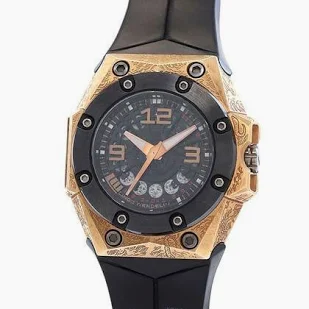
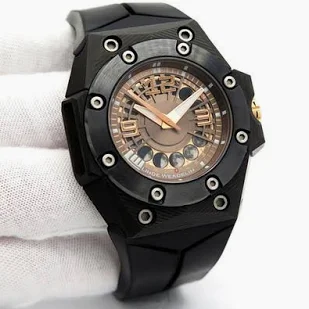
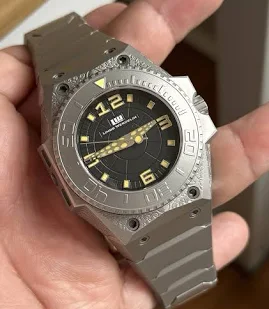
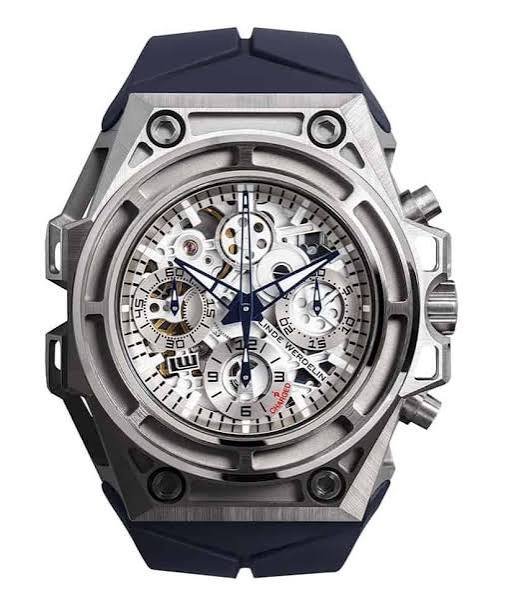
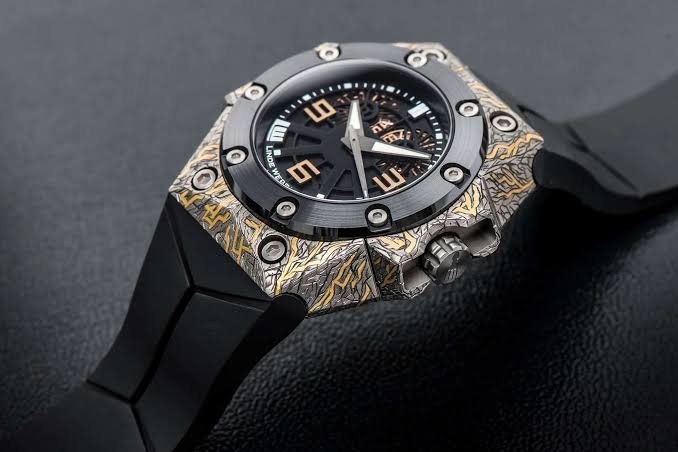
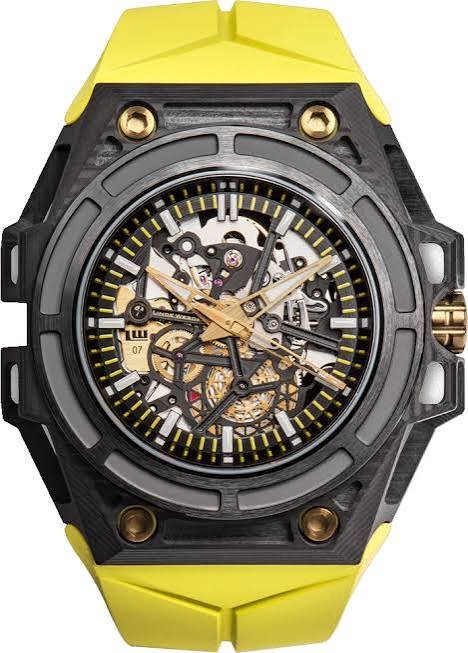
Founded by Danish partners Morten Linde and Jørn Werdelin in 2002, Linde Werdelin developed a distinctive hybrid concept: a finely made Swiss mechanical watch that could act as the platform for a removable digital instrument for skiing or diving. After several years of development, the first watches reached the market in 2006. The brand became known for sharply faceted cases, small numbered editions, adventurous materials and the Spido and Oktopus families. Rather than building a conventional mass-market manufacture, it collaborated with specialist Swiss movement and component makers while retaining a strongly Scandinavian design identity.
Abbady photographic archive
Linde Werdelin photographs
Origins and period
Copenhagen and London; watches manufactured in Switzerland
Founded 2002; first collection launched 2006
Linde Werdelin in watchmaking
Founded by Danish partners Morten Linde and Jørn Werdelin in 2002, Linde Werdelin developed a distinctive hybrid concept: a finely made Swiss mechanical watch that could act as the platform for a removable digital instrument for skiing or diving. After several years of development, the first watches reached the market in 2006. The brand became known for sharply faceted cases, small numbered editions, adventurous materials and the Spido and Oktopus families. Rather than building a conventional mass-market manufacture, it collaborated with specialist Swiss movement and component makers while retaining a strongly Scandinavian design identity.
Landmark dates
1996 — Jørn Werdelin’s serious skiing accident helps inspire the idea for a watch paired with a specialist digital safety instrument.
2002 — Morten Linde and Jørn Werdelin establish Linde Werdelin.
2006 — The first Biformeter watch collection reaches the market after several years of development.
2007 — Linde Werdelin watches and instruments accompany a landmark free-climbing Everest expedition.
2008 — The Hard Black DLC series establishes a bold, technical visual identity.
2009 — The lightweight, extensively skeletonized SpidoLite appears.
2010 — The Oktopus Moonphase combines a dive-watch concept with an unusual mechanical moon-phase display.
2011 — The SpidoSpeed chronograph introduces the brand’s LW03 movement developed with Concepto.
Today — Linde Werdelin remains associated with limited-production independent watches, sculptural cases and the Spido and Oktopus lines.
Known for
Biformeter watches; clip-on Rock skiing and Reef diving instruments; SpidoLite and SpidoSpeed skeletonized architecture; Oktopus dive watches; limited and numbered production; DLC, carbon, titanium and unusual case materials.
Movements and innovation
Early Linde Werdelin watches commonly used the dependable Swiss ETA 2892-A2 automatic movement. Later projects involved specialist independent partners, including Svend Andersen for modified and decorated calibres and Concepto for the LW03 chronograph movement used in the SpidoSpeed. The brand’s most original technical idea was external rather than purely mechanical: removable digital Rock and Reef instruments could clip over the mechanical watch to supply skiing or diving data, functioning like temporary electronic complications. Case engineering is equally central, especially the multi-part, aggressively skeletonized Spido construction and the robust Oktopus dive-watch architecture.
Identification checklist
• Confirm the LINDE WERDELIN name and model-family markings on the dial, case back and movement.
• Record the reference number, individual limited-edition number and case material.
• Identify whether the watch belongs to the Biformeter, Spido, SpidoSpeed, SpidoLite or Oktopus family.
• Inspect the faceted case, exposed fasteners, strap attachment system and provision for a clip-on instrument.
• Verify the installed calibre from movement markings; similar-looking editions may use different movements.
• Compare dial, hands, bezel, crown and pushers with reliable photographs of the exact reference.
• Examine DLC, carbon, titanium or precious-metal surfaces for refinishing, damage or replacement parts.
• Request the original box, papers, numbered certificate, spare straps and any Rock or Reef instrument when applicable.
Preservation guidance
Preserve the original case finish, dial, hands, crown, pushers, screws and proprietary strap components. The complex faceted surfaces and contrasting finishes can be permanently altered by ordinary polishing, so refinishing should be avoided unless performed by a specialist familiar with the reference. Have the mechanical movement serviced by a qualified watchmaker and pressure-test any dive model before water exposure; an old depth rating is not proof of current water resistance. Inspect carbon, DLC and composite surfaces carefully because cosmetic restoration may be difficult. Keep removable digital instruments dry and powered according to their own instructions, remove exhausted batteries promptly, and retain all original accessories, service records and replaced components.
Historical development
Design entrepreneur Morten Linde and outdoor specialist Jørn Werdelin founded Linde Werdelin around a modular idea: a mechanical wristwatch could serve as the base for a removable digital instrument used in skiing or diving.