Japanese mechanical watchmaking, distinctive calendars and accessible in-house movements
Orient
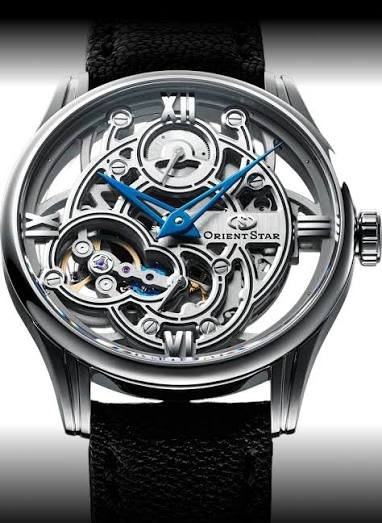
Orient’s heritage is traced to Shogoro Yoshida, who opened a wholesale watch shop in Tokyo in 1901 and later developed watch-production businesses. The modern company was established as Tama Keiki in 1950 and adopted the Orient Watch name in 1951, the same year the first Orient Star appeared. Orient grew into a major Japanese manufacturer known particularly for affordable mechanical watches and distinctive automatic movements produced within its industrial group. Historic highlights include the Dynamic, Royal Orient, Grand Prix 100, the ultra-thin Fineness and numerous multi-year calendar, diver and day-date models. Contemporary families range from Bambino dress watches and practical sports and diving collections to the more highly finished Orient Star line. Orient is now operated as a watch brand of Seiko Epson Corporation while retaining its own designs and movement identity.
Abbady photographic archive
Orient photographs
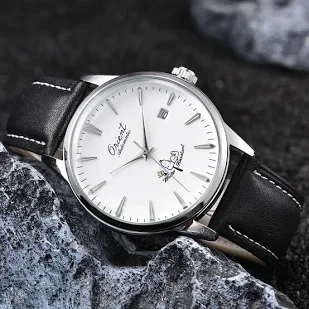
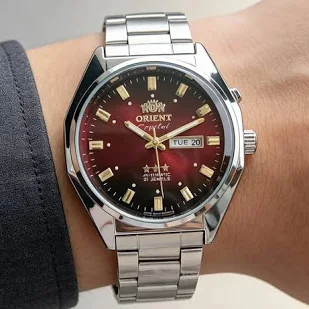
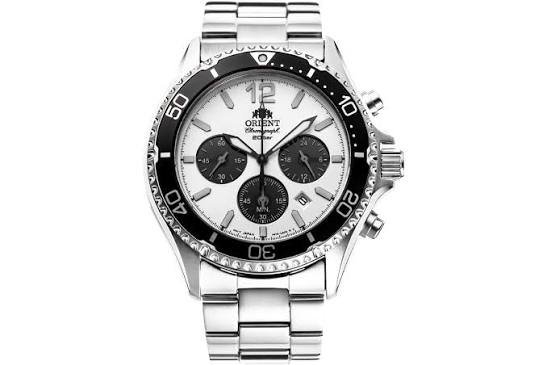
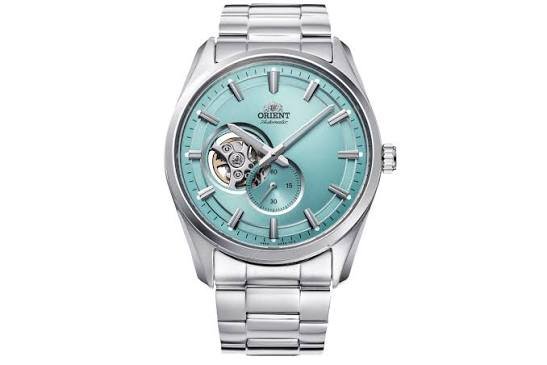
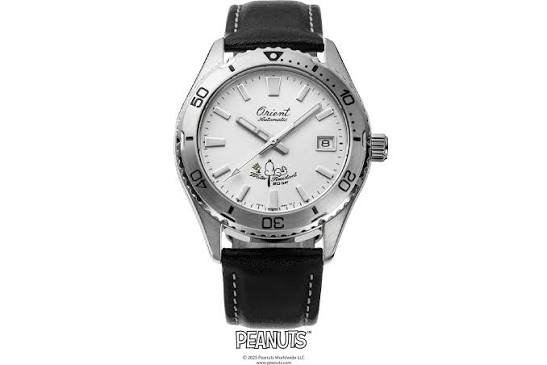
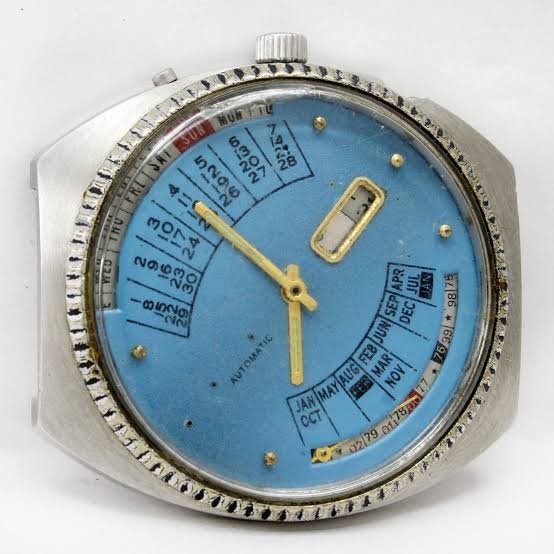
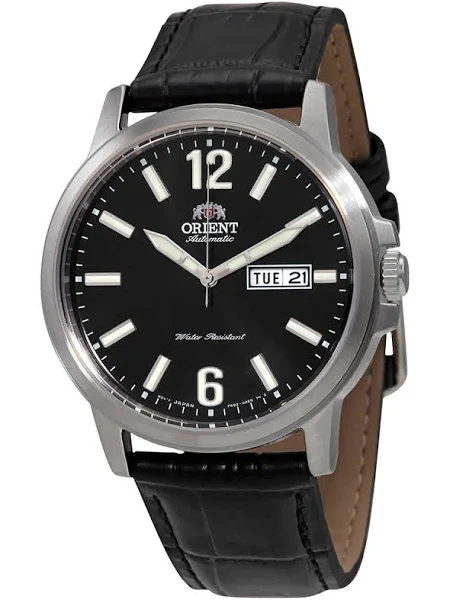
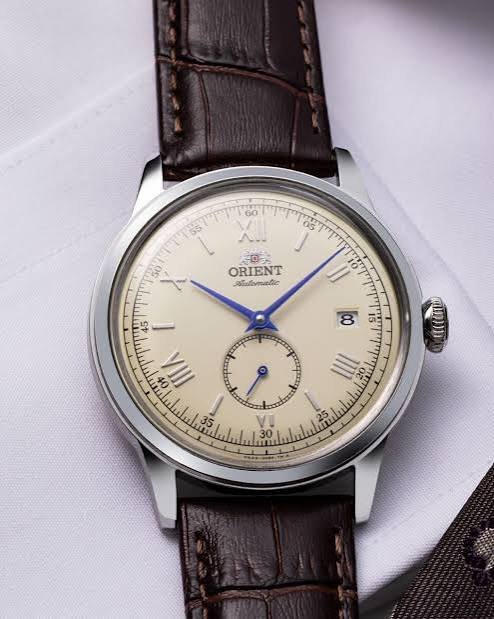
Origins and period
Tokyo, Japan; modern production within the Seiko Epson group
Company established in 1950, with roots traced to 1901; active today
Orient in watchmaking
Orient’s heritage is traced to Shogoro Yoshida, who opened a wholesale watch shop in Tokyo in 1901 and later developed watch-production businesses. The modern company was established as Tama Keiki in 1950 and adopted the Orient Watch name in 1951, the same year the first Orient Star appeared. Orient grew into a major Japanese manufacturer known particularly for affordable mechanical watches and distinctive automatic movements produced within its industrial group. Historic highlights include the Dynamic, Royal Orient, Grand Prix 100, the ultra-thin Fineness and numerous multi-year calendar, diver and day-date models. Contemporary families range from Bambino dress watches and practical sports and diving collections to the more highly finished Orient Star line. Orient is now operated as a watch brand of Seiko Epson Corporation while retaining its own designs and movement identity.
Landmark dates
1901 — Shogoro Yoshida opens a wholesale watch shop in Ueno, Tokyo.
1920 — Yoshida establishes Toyo Tokei Manufacturing.
1934 — The business begins manufacturing wristwatches.
1950 — Watch production is re-established through Tama Keiki, which introduces the New Orient.
1951 — The company adopts the Orient Watch name and introduces the first Orient Star.
1955 — Orient expands its international business through a trade agreement with China.
1960 — Royal Orient is introduced as a prestigious line.
1964 — The Grand Prix 100 demonstrates the brand’s emphasis on jeweled automatic movements.
1967 — Orient introduces the exceptionally thin Fineness automatic day-date watch.
1970 — The high-beat Tenbeat appears.
2003 — The Orient Technical Center is established to support high-grade mechanical-watch assembly.
2009 — Orient becomes a wholly owned subsidiary within the Seiko Epson group.
2017 — Orient Watch operations are integrated into Seiko Epson Corporation.
Today — Orient and Orient Star continue as distinct Epson-operated Japanese watch brands.
Known for
Japanese in-house mechanical movements; Orient Star; Bambino dress watches; Mako and Kamasu divers; Three Star and Crystal day-date automatics; multi-year calendar watches; open-heart and skeleton displays; power-reserve indicators; accessible mechanical watchmaking and distinctive vintage dial designs.
Movements and innovation
Orient is especially associated with proprietary Japanese mechanical movements, including long-running automatic calibre families and modern F6-series movements with hand-winding and stop-seconds functions on many references. The company has also produced hand-wound, quartz, solar, chronograph, open-heart, skeleton, power-reserve and calendar watches. Higher-grade Orient Star movements receive more elaborate finishing and may include longer power reserves or advanced components. Vintage jewel-count advertising and complications vary widely, so the exact calibre and functions must be confirmed from the reference and movement markings.
Identification checklist
Check the Orient or Orient Star logo, dial text, case reference, movement calibre and case-back markings. Vintage Three Star, Crystal, King Diver and multi-year calendar watches exist in many regional variants and are frequently fitted with replacement bracelets, crystals, crowns or refinished dials. Verify that the day, date, calendar rings, power-reserve display and open-heart or skeleton architecture match the documented reference. Modern serial and reference information should be compared with Orient’s official product records or an authorized service source.
Preservation guidance
Service mechanical watches through a technician familiar with Orient calibres, especially vintage calendar mechanisms and modern skeleton or power-reserve movements. Never force a day, date or multi-year calendar corrector, particularly during the movement’s nighttime changeover period. Treat untested vintage watches as non-water-resistant; replace seals and pressure-test sports or diving models after opening. Avoid polishing away case lines or replacing original dials and hands unnecessarily. Keep original bracelets, boxes, manuals, tags and service documentation.
Historical development
Orient traces its background to Shogoro Yoshida’s watch shop in Ueno, opened in 1901. The modern company was established in 1950 and became one of Japan’s notable producers of mechanical watches, retaining a strong emphasis on in-house automatic movements.