Florentine naval instruments, luminous dive watches and unmistakable Italian design
Panerai
Panerai began in Florence in 1860, when Giovanni Panerai established a watch shop, workshop and watchmaking school. The family business later supplied precision instruments to the Royal Italian Navy. Its enduring identity grew from highly legible underwater watches developed for naval commandos: Radiomir luminous material was patented in the early twentieth century, followed by prototype diving watches in the 1930s and the crown-protected Luminor design after the Second World War. These military watches were produced in small numbers and relied on specialist suppliers, including Rolex cases and movements in important early examples. Panerai entered the civilian market in 1993 and gained international recognition after joining the Vendôme—now Richemont—group in 1997. Today its Radiomir, Luminor, Luminor Due and Submersible families combine Italian design with Swiss manufacturing and a broad range of proprietary mechanical calibres.
Abbady photographic archive
Panerai photographs

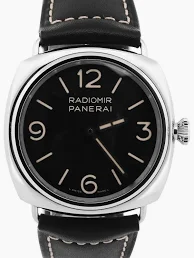
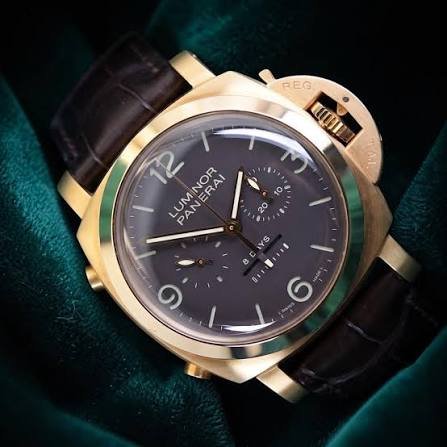
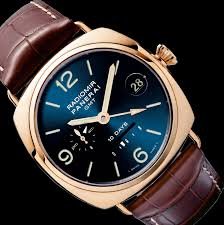
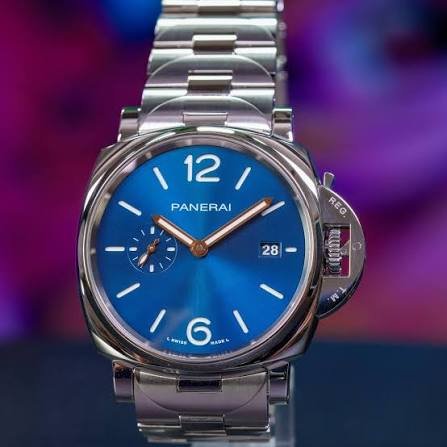
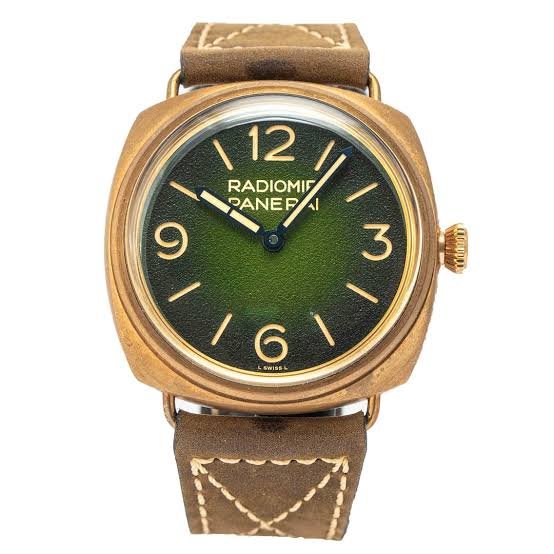
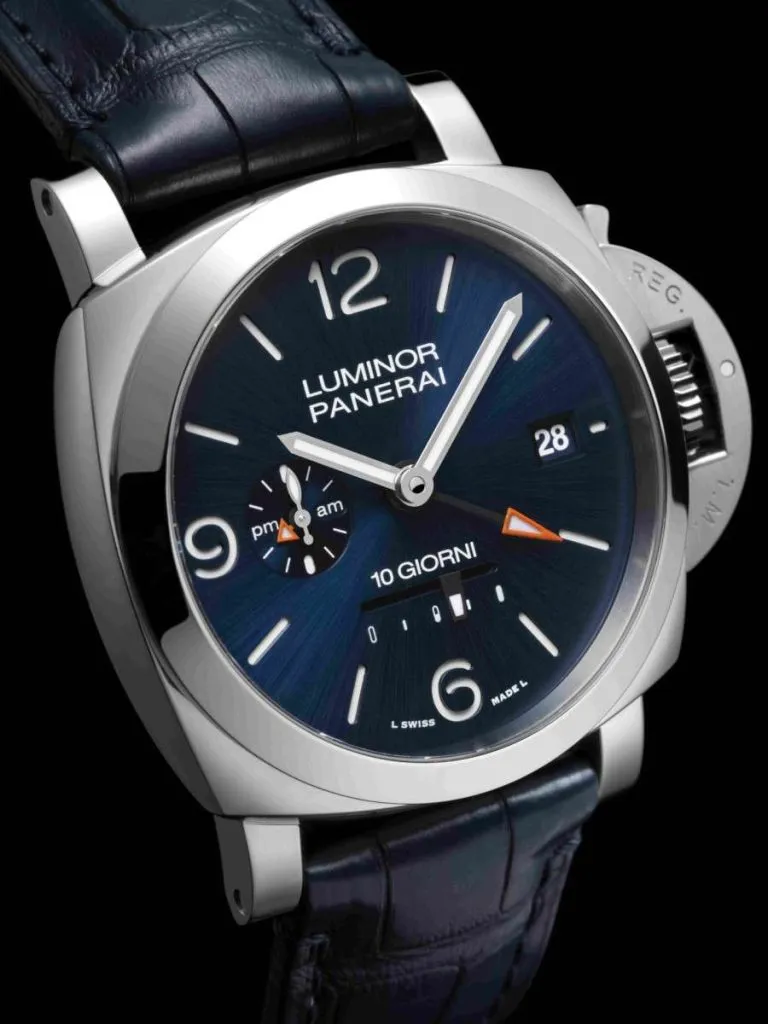
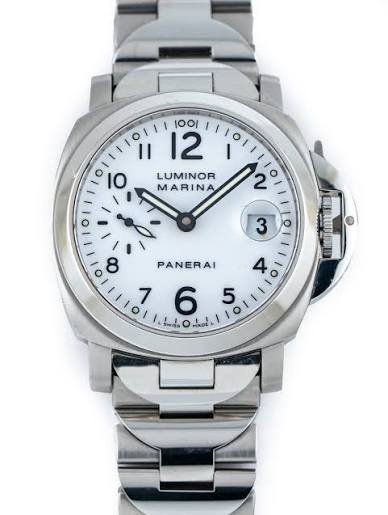
Origins and period
Florence, Italy; modern manufacture in Neuchâtel, Switzerland
Founded in 1860; supplied military instruments before entering the civilian market
Panerai in watchmaking
Panerai began in Florence in 1860, when Giovanni Panerai established a watch shop, workshop and watchmaking school. The family business later supplied precision instruments to the Royal Italian Navy. Its enduring identity grew from highly legible underwater watches developed for naval commandos: Radiomir luminous material was patented in the early twentieth century, followed by prototype diving watches in the 1930s and the crown-protected Luminor design after the Second World War. These military watches were produced in small numbers and relied on specialist suppliers, including Rolex cases and movements in important early examples. Panerai entered the civilian market in 1993 and gained international recognition after joining the Vendôme—now Richemont—group in 1997. Today its Radiomir, Luminor, Luminor Due and Submersible families combine Italian design with Swiss manufacturing and a broad range of proprietary mechanical calibres.
Landmark dates
1860 — Giovanni Panerai opens a watch shop, workshop and watchmaking school in Florence.
1916 — The Panerai family patents Radiomir, a luminous compound developed for military instruments.
1936 — Prototype Radiomir wristwatches are developed for Royal Italian Navy commandos.
1940s — The cushion case, wire-to-solid lugs and highly legible sandwich-dial architecture evolve for military use.
1949 — Panerai patents the name Luminor for a new luminous material based on tritium.
1950s — The prominent lever-operated crown-protection bridge becomes a defining Luminor feature.
1956 — Panerai develops the exceptionally large Egyptian Navy diving watch later known as the Egiziano.
1972 — Dino Zei assumes leadership after Giuseppe Panerai’s death and the company operates as Officine Panerai.
1993 — Panerai introduces a limited civilian collection of Luminor and Mare Nostrum watches.
1997 — The brand is acquired by the Vendôme Luxury Group, later part of Richemont, and expands internationally.
2002 — Panerai opens its manufacture in Neuchâtel, Switzerland.
2005 — The P.2002 becomes the first major calibre in Panerai’s modern in-house movement program.
Today — Panerai develops mechanical watches in Switzerland while maintaining its Florentine design and naval identity.
Known for
Radiomir and Luminor luminous technologies; large cushion-shaped cases; sandwich dials; exceptional legibility; patented crown-protection bridge; Royal Italian Navy and combat-diver heritage; Radiomir, Luminor, Luminor Due and Submersible collections; long power reserves; GMT, chronograph, tourbillon and calendar complications.
Movements and innovation
Early military Panerai watches commonly relied on robust Swiss movements supplied by Rolex and other specialists. Modern references have used ETA and Unitas bases as well as a growing family of Panerai manufacture calibres. Important modern movements include the hand-wound P.2002 with an eight-day power reserve and GMT, compact P.900-series automatics, long-reserve P.5000-series hand-wound calibres, chronographs, tourbillons and calendar movements. Specifications, jewel counts, power reserves and construction can differ substantially even between visually similar references, so the calibre should be confirmed from official reference data.
Identification checklist
Check the complete PAM reference, serial and edition markings, case material, movement calibre, dial construction and case-back engravings. Distinguish Radiomir wire-lug and 1940-style cases from crown-guarded Luminor and rotating-bezel Submersible models. Verify the sandwich or printed dial, luminous color, crown bridge, hands, buckle and strap against the exact reference. Vintage military Panerai watches are exceptionally rare and heavily copied; provenance, case and movement numbers and expert examination are essential. Photographs alone cannot establish authenticity.
Preservation guidance
Use Panerai or a specialist familiar with the exact calibre and crown-sealing system. Pressure-test any watch intended for water after the case has been opened, but never assume a vintage military or early civilian piece remains water-resistant. Keep the crown-protection lever fully secured during wear and do not operate chronograph pushers underwater unless the specific reference allows it. Protect original dials, luminous material, case engravings and finishes; avoid aggressive polishing. Preserve original straps, buckles, tools, boxes, certificates and service records.
Historical development
Panerai began as a Florentine watch shop, workshop, and watchmaking school. The family business supplied precision instruments and luminous underwater wristwatches to the Italian Navy, creating large, highly legible designs that entered the civilian luxury market late in the twentieth century.