Geneva’s family-owned manufacture of enduring watches and high complications
Patek Philippe
Patek Philippe traces its origin to 1839, when Polish émigré Antoine Norbert de Patek and watchmaker François Czapek established Patek, Czapek & Cie in Geneva. After that partnership ended, Patek joined forces with French watchmaker Jean Adrien Philippe, inventor of an influential keyless winding and hand-setting system. The company became Patek, Philippe & Cie in 1851 and built an international reputation for precision pocket watches, royal commissions, complicated mechanisms and refined Genevan finishing. The Stern family acquired the manufacture in 1932 and introduced the Calatrava reference 96, whose restrained round design became a lasting house signature. Later landmarks include the Golden Ellipse, the steel Nautilus designed by Gérald Genta, the Aquanaut and increasingly sophisticated grand complications. Still owned by the Stern family, Patek Philippe remains an independent Geneva manufacture noted for long-term service, rare handcrafts, restrained production and the integration of traditional watchmaking with modern research.
Abbady photographic archive
Patek Philippe photographs
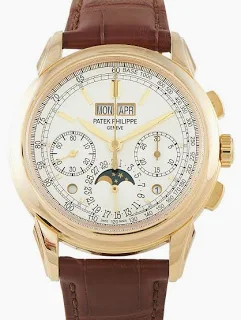
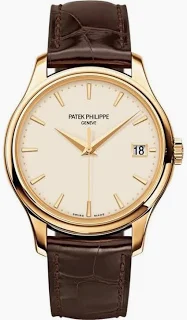
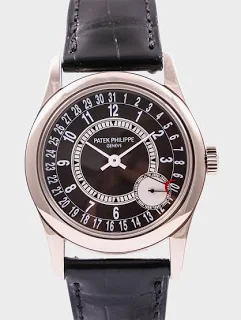
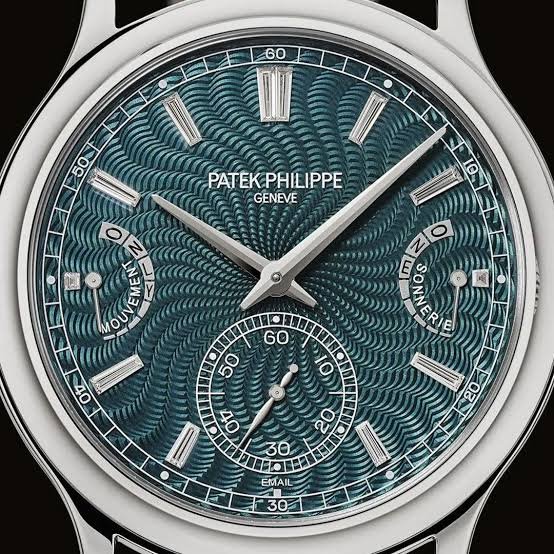
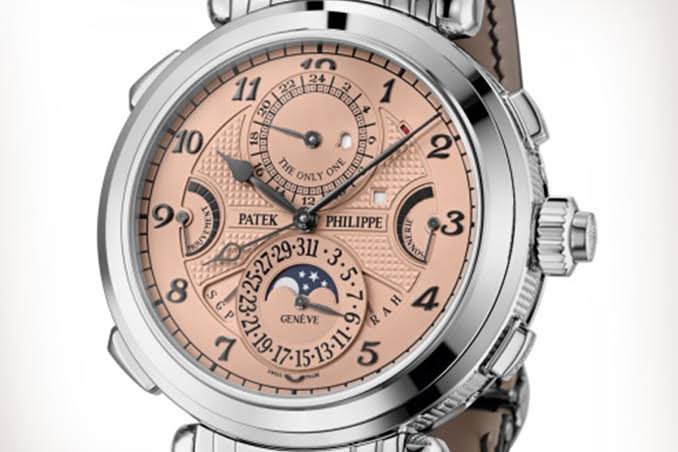
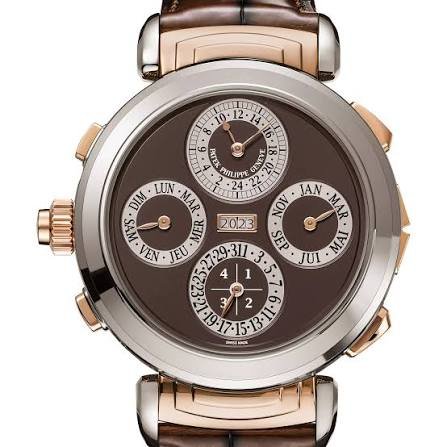
Origins and period
Geneva, Switzerland
Founded in 1839; partnership with Jean Adrien Philippe from 1845; active today
Patek Philippe in watchmaking
Patek Philippe traces its origin to 1839, when Polish émigré Antoine Norbert de Patek and watchmaker François Czapek established Patek, Czapek & Cie in Geneva. After that partnership ended, Patek joined forces with French watchmaker Jean Adrien Philippe, inventor of an influential keyless winding and hand-setting system. The company became Patek, Philippe & Cie in 1851 and built an international reputation for precision pocket watches, royal commissions, complicated mechanisms and refined Genevan finishing. The Stern family acquired the manufacture in 1932 and introduced the Calatrava reference 96, whose restrained round design became a lasting house signature. Later landmarks include the Golden Ellipse, the steel Nautilus designed by Gérald Genta, the Aquanaut and increasingly sophisticated grand complications. Still owned by the Stern family, Patek Philippe remains an independent Geneva manufacture noted for long-term service, rare handcrafts, restrained production and the integration of traditional watchmaking with modern research.
Landmark dates
1839 — Antoine Norbert de Patek and François Czapek establish Patek, Czapek & Cie in Geneva.
1844 — Jean Adrien Philippe receives recognition for his keyless winding and hand-setting system at the Paris Industrial Exposition.
1845 — Patek begins working with Philippe after the dissolution of the Czapek partnership.
1851 — The firm becomes Patek, Philippe & Cie and presents watches at the Great Exhibition in London.
1868 — The manufacture creates an early Swiss wristwatch for Countess Koscowicz of Hungary.
1925 — Patek Philippe completes one of the earliest known perpetual-calendar wristwatches.
1932 — Brothers Charles and Jean Stern acquire the company; the Calatrava reference 96 is introduced.
1968 — The Golden Ellipse introduces a distinctive elliptical case based on harmonious proportion.
1976 — The Gérald Genta-designed Nautilus reference 3700 establishes the maison’s luxury sports-watch line.
1989 — The Calibre 89 pocket watch marks the company’s 150th anniversary with extraordinary mechanical complexity.
1996 — Patek Philippe patents and introduces its practical annual-calendar wristwatch.
1997 — The Aquanaut debuts with a contemporary sports design and composite strap.
2009 — The Patek Philippe Seal replaces the Geneva Seal as the manufacture’s comprehensive quality standard.
2014 — The double-faced Grandmaster Chime is unveiled for the company’s 175th anniversary.
Today — Patek Philippe remains an independent, Stern-family-owned Genevan manufacture.
Known for
Calatrava; Nautilus; Aquanaut; Golden Ellipse; Gondolo; Twenty~4; annual and perpetual calendars; split-seconds and world-time watches; minute repeaters; tourbillons; Grandmaster Chime; rare-handcraft dials; the Patek Philippe Seal; family ownership by the Stern family; exceptional finishing, documentation and long-term service.
Movements and innovation
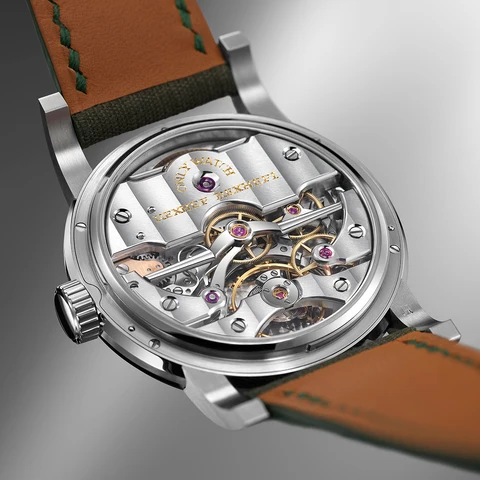
Patek Philippe develops mechanical movements for simple time-only watches as well as annual and perpetual calendars, chronographs, split-seconds chronographs, world timers, minute repeaters and other grand complications. Important modern families include slim manually wound calibres, automatic calibres with full rotors or micro-rotors, integrated chronographs and highly complex chiming movements. The manufacture has also pioneered silicon-based Silinvar components through its Advanced Research program. Movement architecture and finishing vary substantially by era and reference, so the engraved calibre number and official archive documentation are essential for identification.
Identification checklist
Record the complete reference and serial information: the case number is normally inside the case back and the movement number is engraved on the movement. Compare case metal hallmarks, dial printing, hands, crown, pushers, bracelet or buckle, movement architecture and finishing with official information for the exact reference. Vintage dials may have been cleaned, refinished or replaced, and high-value sports models are frequently imitated. The Extract from the Archives documents production records but is not itself a certificate of authenticity. For purchase or sale, use an authorized retailer, Patek Philippe service center or highly qualified independent specialist.
Preservation guidance
Follow the operating instructions for the exact reference and never adjust calendar mechanisms during their automatic changeover period. Minute repeaters and other chiming watches should be fully activated without forcing or interrupting the slide. Protect the watch from impacts, moisture, chemicals and strong magnetic fields; pressure-test water-resistant watches after opening. Patek Philippe recommends periodic professional maintenance according to use and complexity. Preserve original dials, hands, case geometry, hallmarks and movement finishing, avoid aggressive polishing, and retain the certificate of origin, boxes, accessories, service records and archival documents.
Historical development
Antoine Norbert de Patek began a Geneva watch business with François Czapek in 1839. After Adrien Philippe—creator of a keyless winding system—joined the enterprise, Patek Philippe developed into a family-owned manufacture celebrated for precision, complications, refined finishing, and long-term archival records.