Swiss mastery of ultra-thin watchmaking, gold craftsmanship and jewelry design
Piaget
Piaget began in 1874 when Georges-Édouard Piaget established a workshop on his family farm in La Côte-aux-Fées, producing precision movements and components for other watchmakers. Under later generations, the family placed the Piaget name on complete watches and developed a distinctive identity joining technical watchmaking with bold goldsmithing and jewelry. Ultra-thin construction became a defining specialty: the hand-wound calibre 9P appeared in 1957, followed in 1960 by the remarkably thin automatic calibre 12P with a micro-rotor. These movements allowed Piaget’s designers to treat the watch as an elegant object, using textured gold, integrated bracelets, unconventional case shapes, ornamental stone dials and gem setting. The 1979 Piaget Polo became an emblem of glamorous integrated gold sports watches, while the Altiplano line distilled the maison’s ultra-thin classicism. Modern Piaget continues to unite manufacture movements, jewelry craftsmanship, skeletonization and record-seeking thinness in collections including Altiplano, Polo, Limelight Gala and Possession.
Abbady photographic archive
Piaget photographs
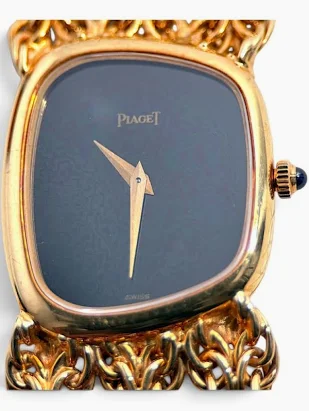
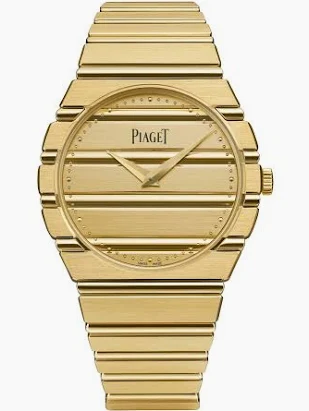
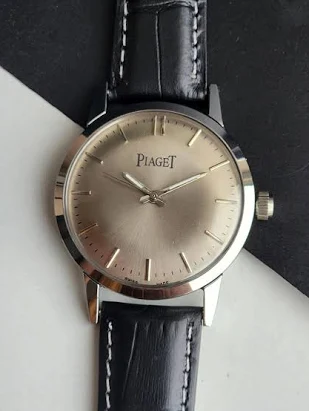
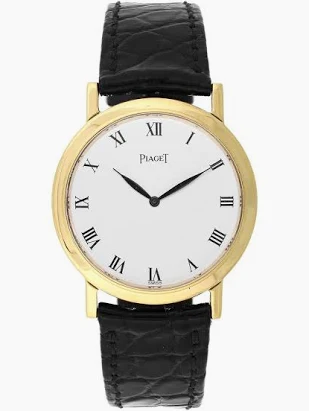
Origins and period
La Côte-aux-Fées, Canton of Neuchâtel, Switzerland; later expanded to Geneva
Founded in 1874; active today
Piaget in watchmaking
Piaget began in 1874 when Georges-Édouard Piaget established a workshop on his family farm in La Côte-aux-Fées, producing precision movements and components for other watchmakers. Under later generations, the family placed the Piaget name on complete watches and developed a distinctive identity joining technical watchmaking with bold goldsmithing and jewelry. Ultra-thin construction became a defining specialty: the hand-wound calibre 9P appeared in 1957, followed in 1960 by the remarkably thin automatic calibre 12P with a micro-rotor. These movements allowed Piaget’s designers to treat the watch as an elegant object, using textured gold, integrated bracelets, unconventional case shapes, ornamental stone dials and gem setting. The 1979 Piaget Polo became an emblem of glamorous integrated gold sports watches, while the Altiplano line distilled the maison’s ultra-thin classicism. Modern Piaget continues to unite manufacture movements, jewelry craftsmanship, skeletonization and record-seeking thinness in collections including Altiplano, Polo, Limelight Gala and Possession.
Landmark dates
1874 — Georges-Édouard Piaget establishes a movement workshop at La Côte-aux-Fées in the Swiss Jura.
1911 — Timothée Piaget takes over the family business and continues its specialization in precision watchmaking.
1943 — The Piaget name is formally registered as a trademark as the company develops watches under its own identity.
1945 — A new manufacture is built in La Côte-aux-Fées to support expanded production.
1957 — Piaget introduces the 2 mm-thick hand-wound calibre 9P, establishing ultra-thin watchmaking as a house specialty.
1960 — The 2.3 mm automatic calibre 12P uses a micro-rotor and becomes a landmark of thin automatic construction.
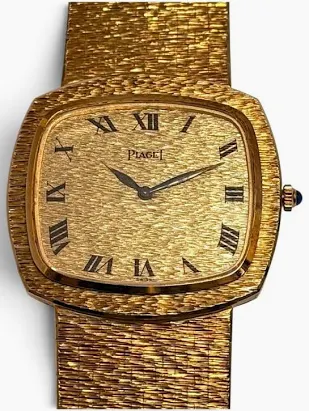
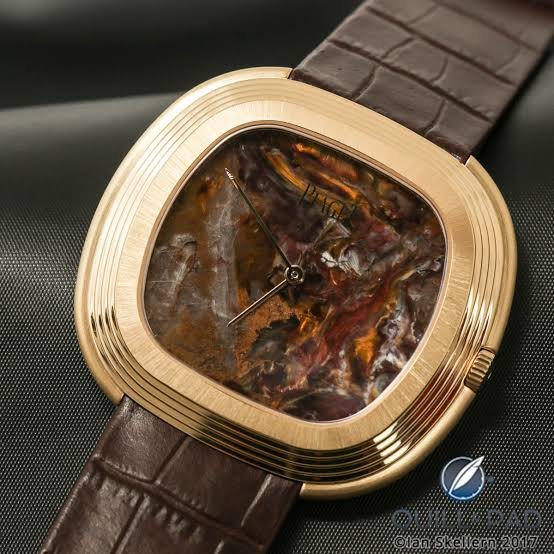
1960s — Piaget expands into high jewelry, textured gold bracelets and vivid ornamental-stone watch dials.
1976 — The ultra-thin quartz calibre 7P reflects Piaget’s adaptation to electronic watchmaking.
1979 — The original solid-gold Piaget Polo launches with a fully integrated case, dial and bracelet design.
1988 — Piaget joins the Vendôme luxury group, later incorporated into Richemont.
1998 — The Altiplano collection formalizes the maison’s elegant ultra-thin design language.
2001 — Piaget opens a manufacture in Plan-les-Ouates, Geneva, complementing movement work at La Côte-aux-Fées.
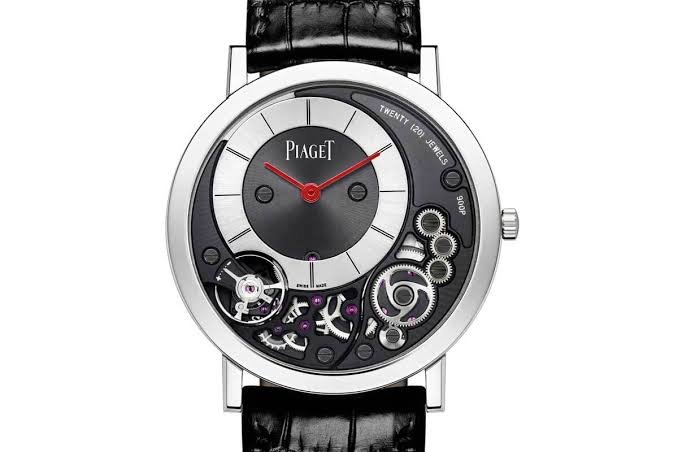
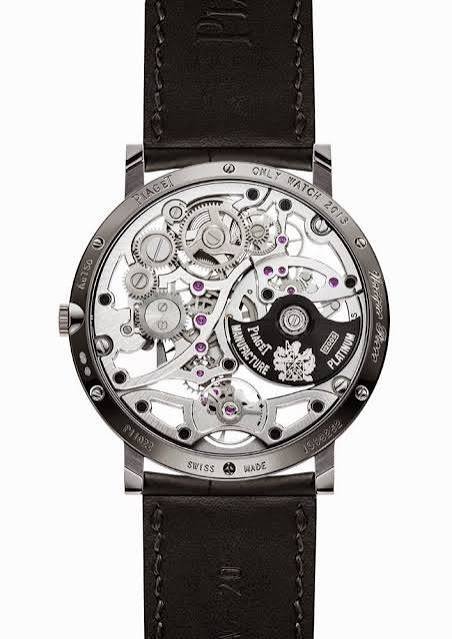
2018 — The 2 mm Altiplano Ultimate Concept demonstrates an extreme fusion of movement and case.
2024 — Piaget marks its 150th anniversary with the Polo 79 revival and an Altiplano Ultimate Concept Tourbillon.
Today — Piaget remains a Swiss watch and jewelry maison within Richemont.
Known for
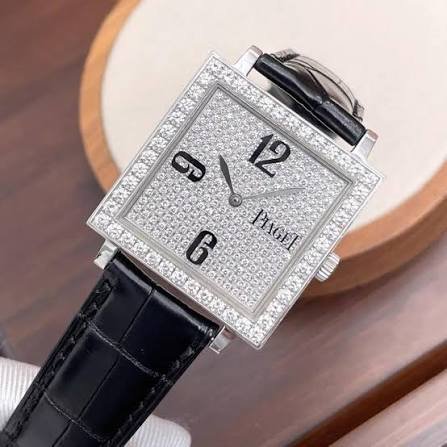
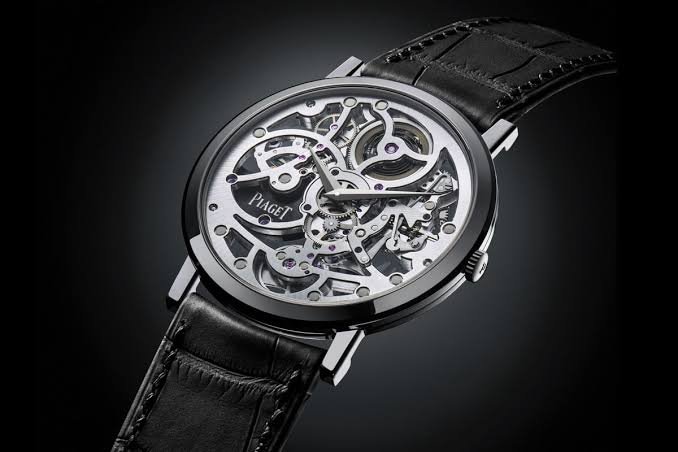
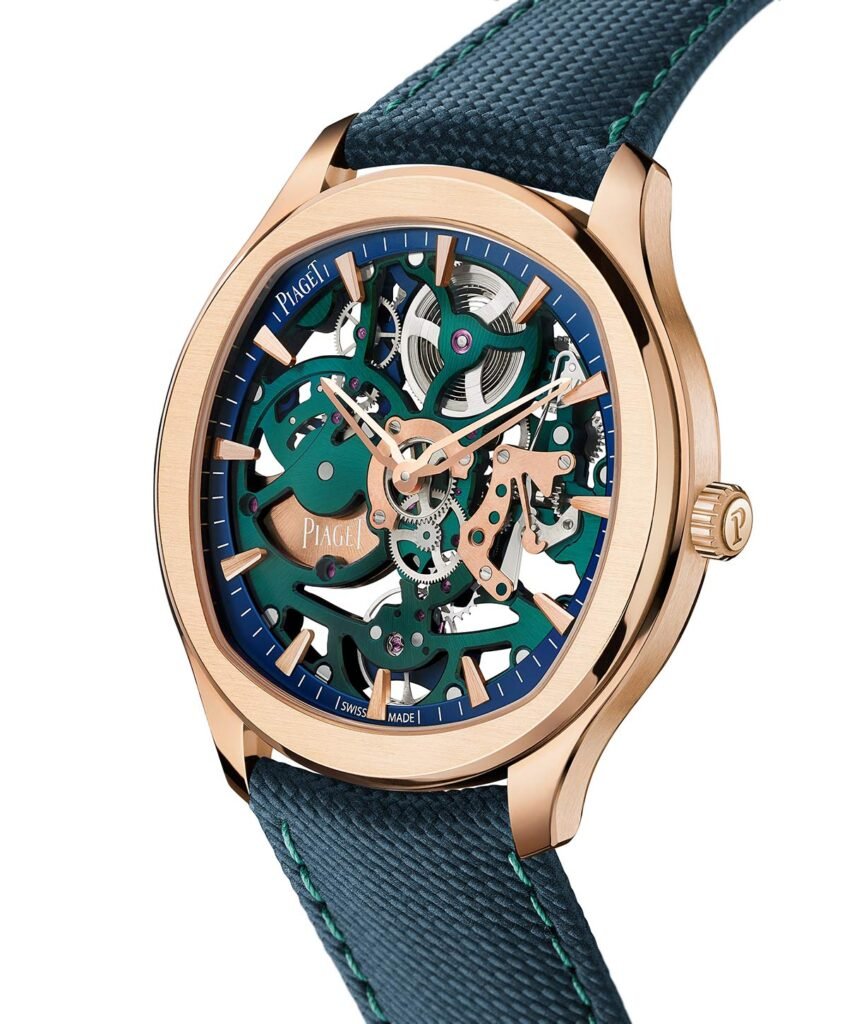
Ultra-thin movements; calibre 9P and micro-rotor calibre 12P; Altiplano; Piaget Polo and Polo 79; integrated gold bracelets; hand-worked Palace Décor; ornamental-stone dials in lapis lazuli, malachite, tiger’s eye and other materials; asymmetrical and cushion-shaped cases; skeleton watches; gem setting; Limelight Gala; Possession; the Altiplano Ultimate Concept.
Movements and innovation
Piaget is especially associated with thin hand-wound and automatic manufacture calibres. The historic 9P measures 2 mm thick, while the 12P achieved exceptional automatic thinness through an off-center micro-rotor. Later families include the hand-wound 430P and 830P, micro-rotor automatic 1200P-series, skeletonized calibres, tourbillons and the integrated case-movement architectures of the 900P and Altiplano Ultimate Concept. Piaget also produced ultra-thin quartz calibres such as the 7P. Movement numbers, dimensions and jewel counts vary by reference and must be verified directly from the case back, movement and official documentation.
Identification checklist
Confirm the complete reference, case and movement numbers, precious-metal hallmarks, serial numbers, dial signature and bracelet or clasp markings. Vintage Piaget watches often combine highly specific case shapes, textured gold finishes and closely fitted integrated bracelets, so replacement parts are conspicuous and expensive. Ornamental-stone dials can show natural variation but should be checked for cracks, replacements or refinishing. Compare movement layout and calibre stamps with the claimed reference. Gem-set pieces require confirmation of factory setting and stone documentation. For valuable watches, obtain assessment from Piaget, an authorized retailer or a specialist in vintage Piaget.
Preservation guidance
Service ultra-thin and skeletonized movements only through Piaget or a specialist experienced with delicate manufacture calibres. Avoid bending thin cases, pressing on crystals or forcing recessed correctors and crowns. Protect ornamental-stone dials from impacts and rapid temperature changes, and keep textured gold surfaces and integrated bracelets away from aggressive polishing. Gem-set watches should be inspected periodically for loose stones. Treat untested vintage watches as non-water-resistant and keep them away from moisture, cosmetics, chemicals and strong magnetism. Preserve original bracelets at full length, buckles, boxes, papers and service records.
Historical development
Georges-Édouard Piaget founded a movement workshop in the Swiss Jura in 1874. Later generations developed the family company into a maker of complete luxury watches and jewelry, with ultra-thin mechanical movements enabling elegant forms and highly creative stone-set designs.