Independent Geneva watchmaker · Founded 1976 · Three generations of family ownership
Raymond Weil
Raymond Weil founded his independent Geneva company in 1976 during the quartz crisis. The family-owned watchmaker built an international reputation through accessible Swiss luxury, elegant design and a close connection with music and the arts. Across three generations, collections such as Parsifal, Tango, Freelancer, Maestro, Toccata and Millésime have combined quartz practicality with mechanical watchmaking.
Abbady photographic archive
Raymond Weil photographs
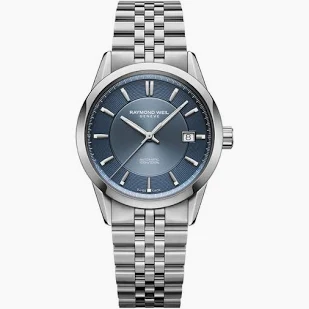
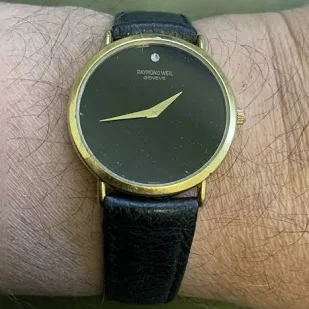
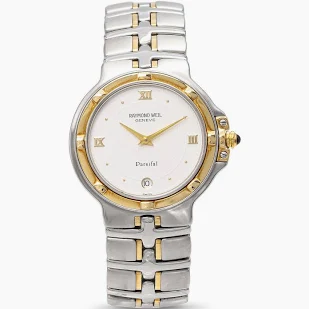

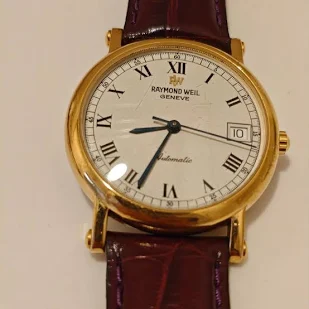
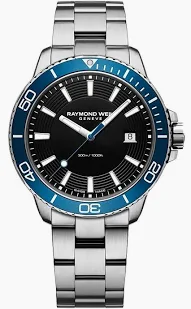
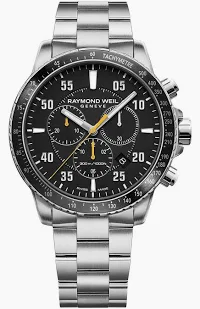
Origins and period
Geneva, Switzerland
Founded 1976 · Independent family ownership to the present
Raymond Weil in watchmaking
Raymond Weil founded his independent Geneva company in 1976 during the quartz crisis. The family-owned watchmaker built an international reputation through accessible Swiss luxury, elegant design and a close connection with music and the arts. Across three generations, collections such as Parsifal, Tango, Freelancer, Maestro, Toccata and Millésime have combined quartz practicality with mechanical watchmaking.
Landmark dates
1976 — Raymond Weil establishes his independent Geneva watch company
1982 — Olivier Bernheim joins the family business
1983 — Amadeus becomes the first formally named collection
1986 — The Othello collection is introduced
1988 — Traviata expands the music-inspired identity
1990 — Parsifal is launched
1996 — Olivier Bernheim becomes president and chief executive
1999 — A research and development department is established
2006 — Elie and Pierre Bernheim join as the third generation
2007 — The Freelancer collection is introduced
2014 — Elie Bernheim becomes chief executive
2017 — The RW1212 automatic calibre is introduced
2023 — Millésime Small Seconds wins the GPHG Challenge Watch Prize
2026 — Raymond Weil celebrates its fiftieth anniversary
Known for
Independent family ownership; music- and opera-inspired collections; Parsifal, Tango, Freelancer, Maestro, Toccata and Millésime; accessible Swiss luxury; elegant dress watches; sports chronographs; and the RW1212 automatic calibre.
Movements and innovation
Raymond Weil uses established Swiss quartz and mechanical movements, with modifications and presentation tailored to its collections. Its research and development department, created in 1999, increased control over design and technical features. The RW1212 automatic calibre, developed with Sellita and introduced in 2017, places the balance prominently at six o’clock. Identification should rely on the exact reference and movement rather than the collection name alone.
Identification checklist
Record all caseback reference and serial numbers. Photograph the dial, crown, clasp, bracelet and movement when accessible. Confirm whether the movement is quartz, hand-wound or automatic. Compare hands, dial printing, bezel and bracelet details with reliable catalogues. Do not infer solid gold from color alone. Verify long-running Parsifal and Tango variants by reference, and check older water-resistance claims professionally.
Preservation guidance
Remove exhausted batteries promptly from quartz watches to prevent leakage. Service mechanical watches with unknown history before regular use. Preserve original dials, hands, crowns, bracelets and clasps, and retain replaced parts. Avoid aggressive polishing and do not assume that an older watch remains water resistant. Store watches dry with their boxes, papers and service records.
Raymond Weil: Independent Swiss Watchmaking with a Musical Soul
Raymond Weil occupies a distinctive place in modern Swiss watchmaking. Founded in Geneva in 1976, during the upheaval of the quartz crisis, the company developed as an independent, family-owned watch house at a time when many traditional manufacturers were consolidating or disappearing. Its founder, Raymond Weil, combined Swiss production with international distribution, recognizable design and prices intended to make refined Swiss watches accessible to a broad audience.
Across three generations, the company has built an identity around independence, family continuity and a close relationship with music and the arts. Collection names drawn from opera, classical music and performance helped distinguish Raymond Weil from competitors, while lines such as Parsifal, Tango, Freelancer, Maestro, Toccata and Millésime have covered dress watches, sports watches, chronographs and mechanical complications.
Foundation During the Quartz Crisis
Raymond Weil founded the company bearing his name in 1976 after more than two decades in the watch industry. Switzerland was then experiencing one of the most difficult periods in its horological history. Affordable and highly accurate quartz watches—especially those produced in Asia—were rapidly changing consumer expectations and disrupting the established mechanical-watch business.
Instead of abandoning traditional Swiss identity, Weil built a company that could work within the new market. Early production included quartz and mechanical watches, with an emphasis on elegant styling, dependable Swiss movements and international sales. The founder personally travelled to develop relationships in Europe, the United States, the Middle East and Asia. This outward-looking approach allowed the young company to establish itself without the institutional history enjoyed by older maisons.
A Family-Owned Geneva Company
Olivier Bernheim, Raymond Weil’s son-in-law, joined the business in 1982. He worked with the founder for fourteen years and became president and chief executive in 1996. Under his leadership the company strengthened its global presence, developed its product-design capabilities and expanded the use of artistic and musical themes.
The third generation arrived in 2006 when Elie and Pierre Bernheim joined the company. Elie Bernheim, the founder’s grandson, later became chief executive. This continuity remains central to the brand’s public identity: Raymond Weil describes itself as an independent, Geneva-based family watchmaker shaped by three generations.
Music, Opera and the Arts
Music is not simply an advertising theme for Raymond Weil; it has influenced the naming and presentation of many collections. Amadeus, introduced in 1983, took its name from Peter Shaffer’s play about Mozart and became the first Raymond Weil watch family to receive a formal collection name. Later lines referenced operas, composers and musical language.
Othello appeared in 1986 with an adventurous design and smoked metallic glass. Traviata followed in 1988. Parsifal, launched in 1990 and named after Wagner’s opera, became one of the company’s longest-lived and most recognizable collections. Other names—including Don Giovanni, Nabucco, Maestro and Toccata—continued the association between watchmaking, rhythm and performance.
The company has also partnered with musical artists, venues and charitable initiatives. These collaborations reinforced an identity in which the precision of a watch movement is compared with the structure and harmony of music.
Parsifal and the Classical Sports-Dress Style
Parsifal was introduced in 1990 for both men and women. The collection combined rounded cases, fluted or polished details and distinctive integrated-style bracelets. Over time it appeared in quartz and mechanical versions, in steel, two-tone metal and precious-metal configurations, and with functions ranging from simple date displays to chronographs and complications.
Because Parsifal remained in production for many years and was later revived, identification requires more than recognizing its general shape. Reference numbers, caseback engravings, movement details and bracelet construction should be documented before assigning a precise date or model.
Tango, Toccata and Everyday Swiss Watches
Tango developed into a broad sports and dress collection, commonly using quartz movements, robust cases, bracelets and clear dials. Versions have included three-hand watches, chronographs, two-tone models and diving-inspired designs. Its practical character made it one of the brand’s most visible families.
Toccata expresses the classical side of Raymond Weil. Usually restrained and slim, Toccata watches favor Roman numerals or simple markers, conventional round or rectangular cases and uncomplicated quartz timekeeping. They reflect the company’s long-standing ability to offer formal Swiss design without requiring a high-complication mechanical movement.
Freelancer, Maestro and Mechanical Development
Freelancer was introduced in 2007 as a contemporary expression of independence. The collection has included automatic three-hand watches, open-heart designs, chronographs, diver-style watches and collaborations connected with music. Its name directly echoes the entrepreneurial independence on which the company was founded.
Maestro followed as a more traditional mechanical family, with classical dials and complications such as moon phases, calendars and open-heart displays. Together, Freelancer and Maestro helped strengthen Raymond Weil’s mechanical-watch offering while quartz collections continued to serve buyers seeking accuracy and ease of use.
In 2017, the company introduced the automatic calibre RW1212, developed with movement specialist Sellita. Its prominent balance at six o’clock became a recognizable design feature in open-worked Freelancer models. The calibre illustrates Raymond Weil’s approach to technical development through close collaboration with established Swiss suppliers.
Design and Research
Raymond Weil created a research and development department in 1999 to increase control over watch design and technical features. The company has used established Swiss quartz and mechanical ébauches, modifying and presenting them according to the needs of each collection. This supplier-based model is common within Swiss watchmaking and should be distinguished from fully integrated movement manufacture.
The brand’s designs range from minimal two-hand dress watches to moon-phase calendars, chronographs and 300-metre sports watches. Recurring visual elements include Roman numerals, guilloché-style dial textures, two-tone bracelets, music-inspired names and a balance between formal and contemporary styling.
Millésime and the Modern Heritage Direction
The Millésime collection brought a renewed emphasis on restrained proportions and neo-vintage design. Its sector-style dials, small-seconds layouts and carefully separated textures attracted critical attention; the Millésime Small Seconds received the Challenge Watch Prize at the 2023 Grand Prix d’Horlogerie de Genève.
For the company’s fiftieth anniversary in 2026, Raymond Weil presented “The Fifty,” a limited manual-winding chronograph using restored Valjoux 23-6 movements dating from the brand’s founding year. The project connected the modern company with the traditional mechanical craft that survived the quartz crisis.
Historical Timeline
- 1976: Raymond Weil establishes his independent Geneva watch company.
- 1982: Olivier Bernheim joins the family business.
- 1983: Amadeus becomes the company’s first formally named collection.
- 1986: The Othello collection introduces an adventurous new design language.
- 1988: Traviata expands the music- and opera-inspired identity.
- 1990: Parsifal is launched and becomes an emblematic collection.
- 1996: Olivier Bernheim becomes president and chief executive.
- 1999: The company establishes its research and development department.
- 2006: Elie and Pierre Bernheim join, representing the third generation.
- 2007: The Freelancer collection is introduced.
- 2014: Elie Bernheim becomes chief executive.
- 2017: The RW1212 automatic calibre is introduced.
- 2023: Millésime Small Seconds wins the GPHG Challenge Watch Prize.
- 2026: Raymond Weil celebrates its fiftieth anniversary.
Identification Checklist
- Record the complete reference and serial numbers from the caseback.
- Photograph the dial, crown, clasp, bracelet and all caseback markings.
- Confirm whether the watch is quartz, hand-wound or automatic before ordering parts.
- Compare bracelet links, bezel details, hands and dial printing with reliable catalogues.
- For Parsifal and other long-running families, do not assign a year from appearance alone.
- Check gold-color components for hallmarks or plating descriptions; color alone does not prove solid gold.
- Verify water-resistance claims professionally before exposing an older watch to moisture.
Preservation and Servicing
Quartz watches should not be stored for long periods with exhausted batteries, because leakage can damage the movement and dial. Mechanical watches with unknown service history should be examined by a qualified watchmaker before regular use. Preserve original dials, hands, crowns, bracelets and clasps whenever possible, and retain any replaced components.
Older gaskets and seals may no longer protect the watch even when the dial or caseback carries a water-resistance rating. Avoid polishing that removes case geometry or engravings. Store the watch in a dry, stable environment and keep purchase records, boxes, papers and service documents with it.
Why Raymond Weil Matters
Raymond Weil demonstrates how a comparatively young Swiss company could emerge during the quartz crisis and build a recognizable international identity without becoming part of a large luxury conglomerate. Its combination of family ownership, accessible Swiss positioning and musical inspiration has remained unusually consistent.
The archive also shows the range within that identity: refined Roman-numeral dress watches, minimalist two-hand designs, two-tone Parsifal models, calendar complications, modern sports watches and chronographs. Together they document the company’s movement between quartz practicality, mechanical tradition and contemporary design.
References and Further Research
- Raymond Weil — Fifty Years of History
- Raymond Weil — The Story of an Independent Watchmaker
- Raymond Weil — Legacy Tour and Historic Collections
- Raymond Weil — Over 35 Years of History
Identification note: Photograph captions describe visible characteristics only. Exact references, materials, movements and production dates require confirmation from caseback markings, movement evidence and reliable documentation.