Swiss watchmaking since 1930 · Geometer, Aquaseal and professional instruments
Rodania
Founded in the Grenchen region of Switzerland in 1930, Rodania developed dress watches, alarms, chronographs and robust sports models. Its best-known historical achievements include the Geometer Chronograph, Waterman, Aquaseal 333, Antarctic Poltimer and Hydrolastic shock-protection system.
Abbady photographic archive
Rodania photographs
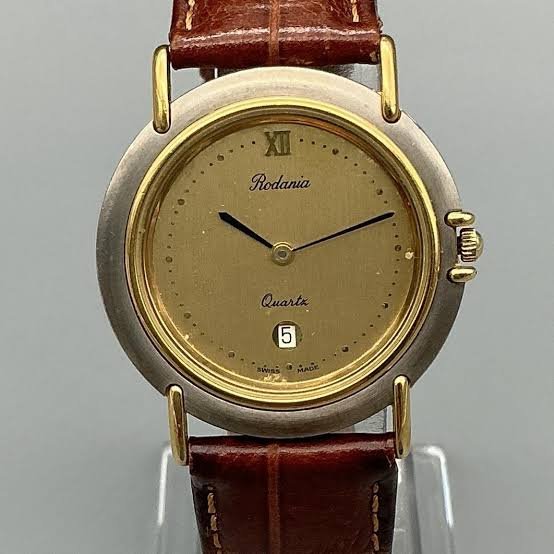
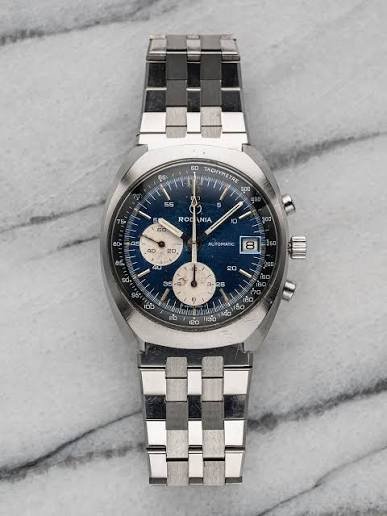
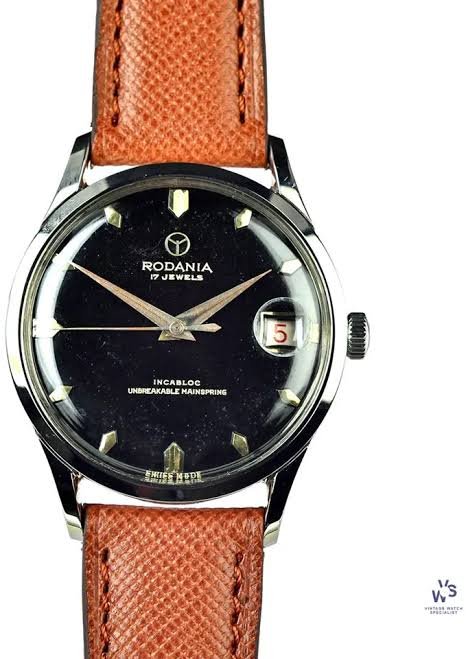
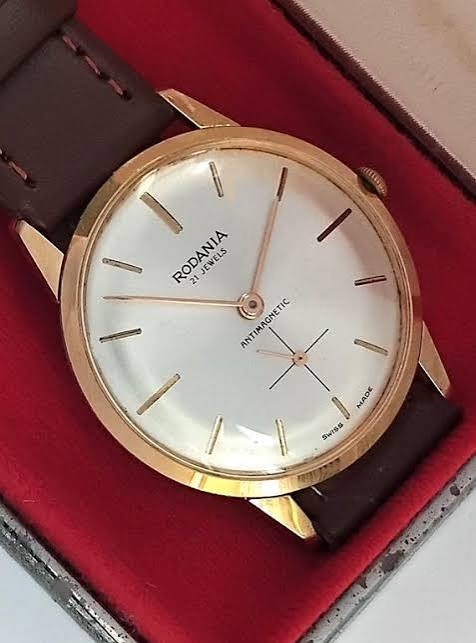
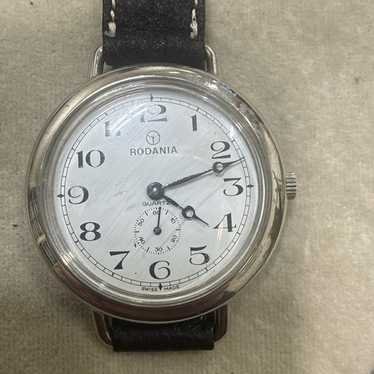
Origins and period
Grenchen, Switzerland
Founded 1930
Rodania in watchmaking
Founded in the Grenchen region of Switzerland in 1930, Rodania developed dress watches, alarms, chronographs and robust sports models. Its best-known historical achievements include the Geometer Chronograph, Waterman, Aquaseal 333, Antarctic Poltimer and Hydrolastic shock-protection system.
Landmark dates
1930 — Rodania is founded in the Grenchen region of Switzerland
1947 — Collaboration with Adolf Schild on an early alarm movement
1952 — Introduction of the first Geometer
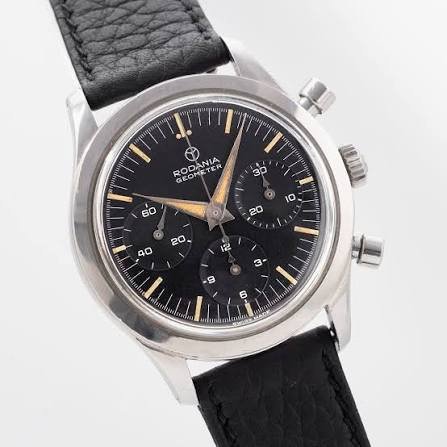
1954 — Launch of the Geometer Chronograph
Late 1950s — Professional chronograph work associated with Canadian naval and air-force use
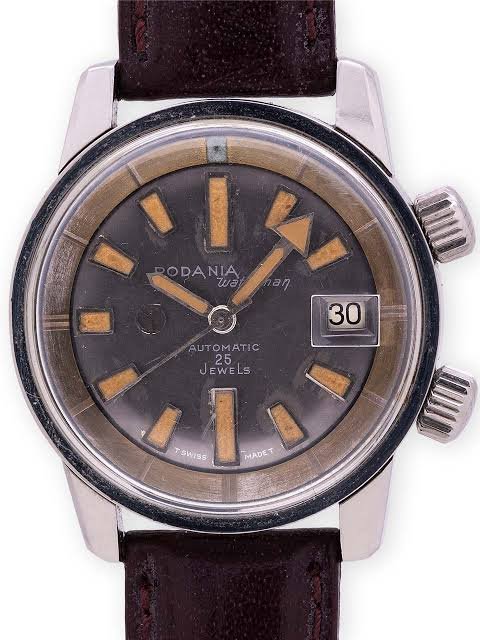
1960 — Waterman introduced with an internal rotating bezel
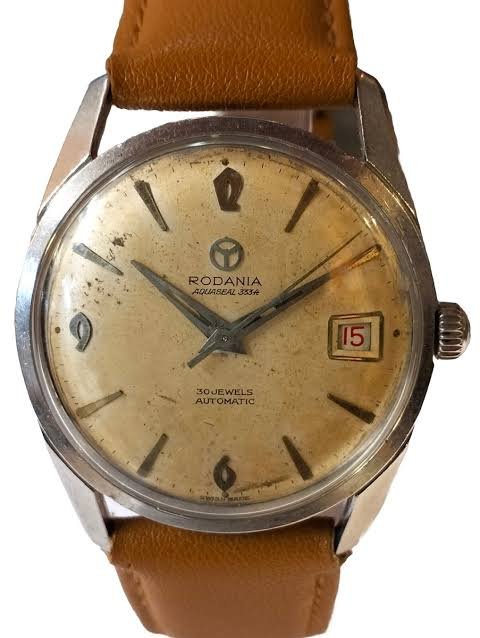
1963 — Aquaseal 333 recognized for resistance in demanding conditions
1960s — Poltimer developed in connection with a Belgian Antarctic expedition
1967 — Hydrolastic shock-absorbing movement system introduced
1985 — Mystery collection combines minimalist styling with ceramic material
2022 — New independent ownership begins a revival of Rodania heritage
Known for
Geometer chronographs, mid-century sports watches, Swiss dress watches, cycling and sports associations, and European-market timepieces.
Movements and innovation
Rodania used movements from established Swiss ébauche manufacturers, including Adolf Schild, across hand-wound, automatic, alarm and chronograph watches. Technical highlights include the Geometer chronograph, Waterman internal rotating bezel, Aquaseal waterproof cases and the patented Hydrolastic suspension system. Exact calibres must be confirmed from movement stamps.
Identification checklist
Record the exact logo, model name, jewel count and dial wording; photograph both sides of the caseback; confirm the movement maker and calibre; compare hands, crown, pushers, crystal and bracelet with period sources; inspect register spacing and timing scales on chronographs; identify the function of additional crowns before assigning a model.
Preservation guidance
Service unknown mechanical watches before wear. Do not force alarm, chronograph or calendar controls. Never assume vintage water resistance remains valid; pressure-test before moisture exposure. Preserve original dials, hands, crowns and bracelets, retain replaced parts, avoid aggressive polishing and protect aged luminous material.
Swiss beginnings and international identity
Rodania was founded in 1930 in the Grenchen region of Switzerland, an important centre of Swiss watchmaking. From its early decades the company developed reliable wristwatches for everyday, professional and sporting use. Although Swiss in origin, Rodania later built especially strong cultural and commercial ties with Belgium and the wider Benelux market.
The surviving watches show how broad the catalogue became: restrained dress pieces, calendar watches, waterproof automatics, alarm and travel watches, chronographs and later quartz models. Dial signatures and logos changed over time, so accurate dating requires more than the brand name alone.
Alarm watches and professional instruments
According to Rodania’s company history, the brand worked with movement manufacturer Adolf Schild in 1947 on an early alarm movement. During the 1950s it also participated in professional chronograph projects associated with Canadian naval and air-force use. These instruments belong to a period when precision, legibility and resistance to shock or moisture were central selling points.
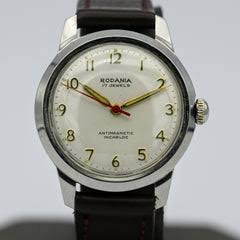
Rodania used movements supplied by established Swiss ébauche makers. Therefore, a movement photograph and calibre stamp are essential before naming the mechanism inside a specific watch. A dial marked “17 jewels,” “25 jewels” or “30 jewels” describes part of the movement specification but does not identify the calibre.
The Geometer and chronograph heritage
Rodania introduced the Geometer in 1952 and followed it with the Geometer Chronograph in 1954. The chronograph’s dark dial, contrasting subsidiary registers and external timing scale have made it one of the brand’s most recognized collector watches. Its historical importance should be evaluated on its own merits rather than identified only through resemblance to later chronograph designs.
Original Geometers require careful inspection. Collectors should compare dial printing, register spacing, hand shapes, case geometry, movement calibre and inside-caseback references. Redials and mixed components are possible in any valuable vintage chronograph, and a front photograph alone cannot establish complete originality.
Waterman, Aquaseal and Antarctic testing
In 1960 Rodania introduced the Waterman, notable for an internal rotating bezel operated through an additional crown. The Aquaseal 333 followed in the early 1960s and was promoted for resistance in demanding conditions. The success of this waterproof-watch family contributed to the development of the Poltimer, connected with a Belgian Antarctic expedition.
Historical depth ratings and waterproof wording must never be treated as valid guarantees today. Seals deteriorate, crowns wear and cases may have been opened repeatedly. Any vintage Rodania should be pressure-tested by a qualified watchmaker before contact with water.
Hydrolastic engineering and later collections
Rodania’s official history records the introduction of Hydrolastic technology in 1967. The automatic movement was mounted on a patented suspension system intended to absorb shock. The design demonstrates the company’s continued emphasis on robust engineering during the mechanical-watch era.
Rodania later adapted to quartz technology and international changes in the watch industry. The Mystery collection of the 1980s became associated with minimalist design and ceramic material, while modern collections continue the brand’s Swiss identity and accessible positioning.
Identification and collecting
- Record the exact dial signature, logo, jewel count, model name and water-resistance wording.
- Photograph the outside and inside of the caseback for references, hallmarks and service marks.
- Confirm the movement manufacturer and calibre from the movement itself.
- Compare hands, crown, pushers, crystal, bracelet and clasp with period catalogues.
- For chronographs, inspect register spacing, tachymeter printing and pusher construction.
- For dual-crown watches, verify whether the second crown controls an internal bezel or another function.
Preservation guidance
Service an unknown mechanical Rodania before regular use. Avoid operating calendar mechanisms during their date-change period and do not force chronograph or alarm controls. Preserve original dials, hands, crowns and bracelets whenever possible, and retain replaced parts and service documents.
Aged luminous material can be fragile and should not be disturbed without specialist advice. Avoid aggressive polishing, particularly on plated or gold-tone cases. Store the watch in a dry, stable environment away from strong magnets, direct sunlight and moisture.
Why Rodania matters
Rodania offers a revealing cross-section of twentieth-century Swiss watchmaking. Its history encompasses alarms, military-related instruments, influential chronographs, dive watches, Antarctic field use, shock protection and mass-market dress watches. The brand’s Belgian associations also show how Swiss manufacturers built enduring identities through regional distribution and cultural familiarity.
References and further research
Rodania — official company history; Mikrolisk — historical trademark registrations for Rodania and its model names.
Identification note: captions describe visible features only. Exact references, calibres, materials and production years require caseback, movement and catalogue evidence.
References and credits
Rodania — Official Company History ↗Mikrolisk — Rodania Trademark and Model Archive ↗