American clockmaking in Connecticut; pocket and wall timepieces
Seth Thomas
Seth Thomas began independent clockmaking in Plymouth Hollow, Connecticut, in 1813. His firm expanded from early wooden-movement clocks into a major American maker of household and public clocks. This photo archive features signed pocket-watch dials, decorated movements and a wall clock.
Abbady photographic archive
Seth Thomas photographs


Origins and period
Plymouth Hollow (later Thomaston), Connecticut, United States
Independent clockmaking from 1813; company incorporated 1853
Seth Thomas in watchmaking
Seth Thomas began independent clockmaking in Plymouth Hollow, Connecticut, in 1813. His firm expanded from early wooden-movement clocks into a major American maker of household and public clocks. This photo archive features signed pocket-watch dials, decorated movements and a wall clock.
Landmark dates
1813 — Seth Thomas began independent clockmaking in Plymouth Hollow
1853 — Seth Thomas Clock Company incorporated
1875 — Plymouth Hollow became Thomaston
1873–1941 — Surviving tower-clock production records held by NAWCC
Known for
American mantel and wall clocks, tower clocks, industrial production in Thomaston, and signed portable timepieces.
Movements and innovation
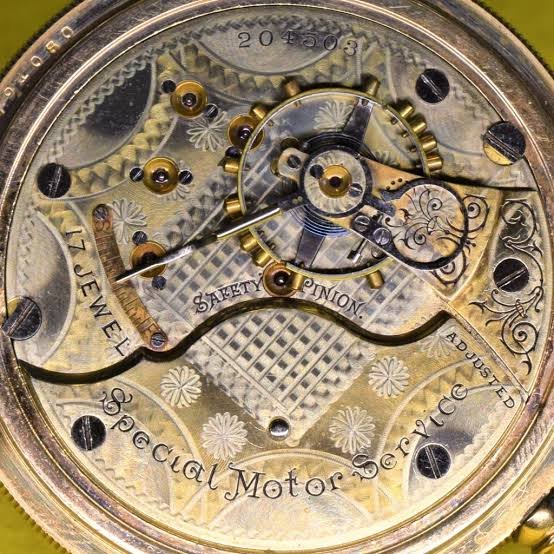
The company moved beyond early wooden movements to brass clock movements and a varied product range. Pictured movement engravings include “Safety Pinion” and “Special Motor Service”; exact calibre, manufacture date and association with other pictured objects require examination.
Identification checklist
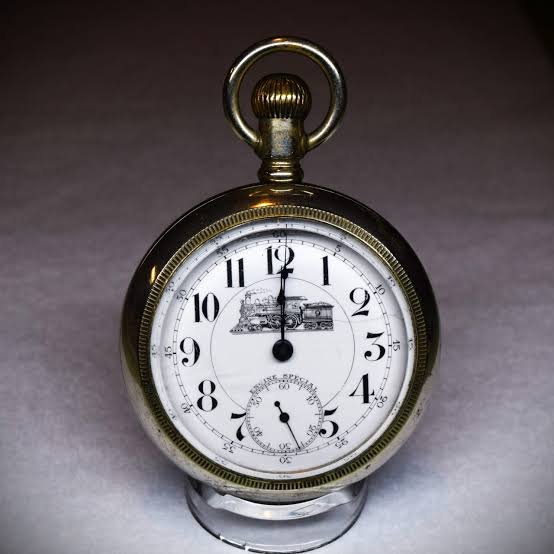
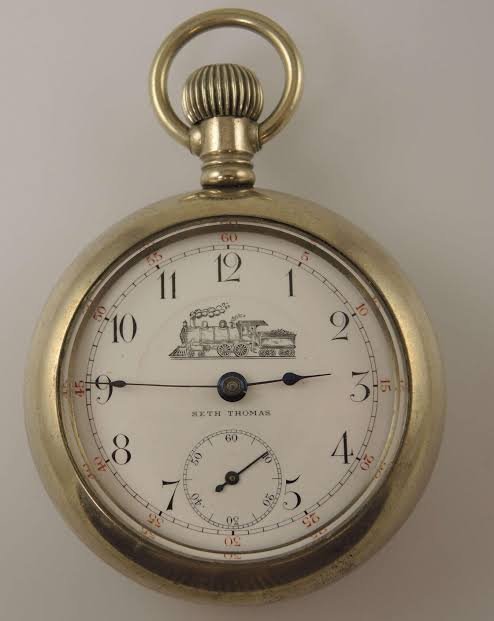
Record the dial signature, case and movement marks, dimensions, serial or patent details, and any provenance. Compare movement and dial signatures before assuming they belong together. Railroad imagery alone does not establish railroad-grade certification.
Preservation guidance
Have a watchmaker or clockmaker examine a stopped mechanism before winding it. Avoid abrasive cleaning of enamel dials and decorated plates. Store away from damp and retain original parts and documentation.
Historical development
Seth Thomas learned clockmaking in Connecticut’s early industrial network and began making clocks independently in Plymouth Hollow in 1813. The settlement later became Thomaston. His enterprise grew from wooden-movement clocks into a broad range of household and public timekeepers. The Seth Thomas Clock Company was incorporated in 1853.
The firm’s name appears on mantel, wall and tower clocks as well as other portable timepieces. The Thomaston Historical Society documents the original factory and the town’s continuing connection to clockmaking. Surviving business records held by the Smithsonian provide a separate primary record of the company’s operations; the National Association of Watch and Clock Collectors preserves its tower-clock production records for 1873–1941.
The objects pictured
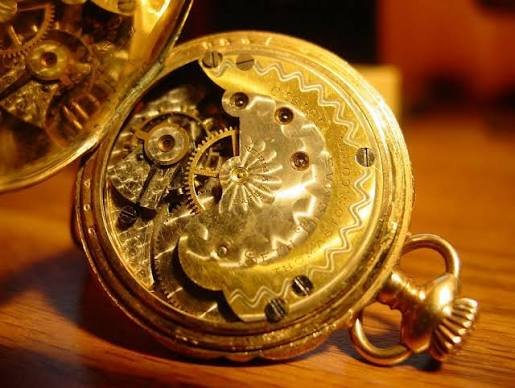
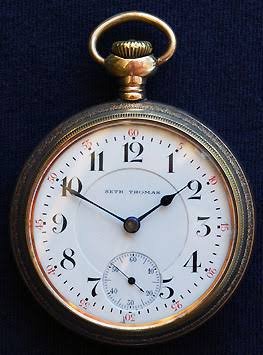
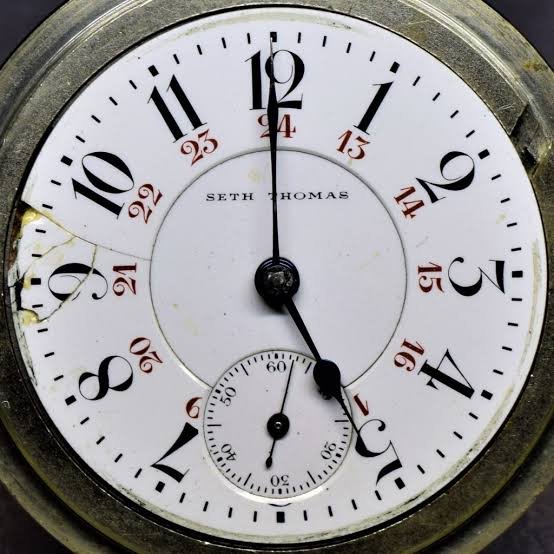
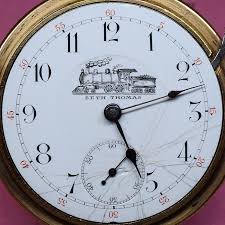
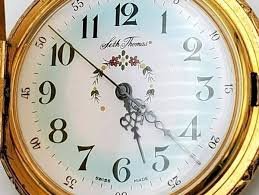
This gallery concentrates on pocket-watch dials and exposed movements, with a separate round wall clock. A locomotive motif appears on several dials, while one decorated movement bears “Safety Pinion” and “Special Motor Service.” These inscriptions and the photographs should be read as evidence about the individual objects, not as a date or calibre for every Seth Thomas timepiece. Some images may show related views, but their exact relationships have not been verified.
Collecting and care
For identification, compare the dial signature, case marks, movement engraving and serial or patent markings. Record the dimensions and any documented provenance. Avoid winding an unknown mechanism until a qualified repairer has checked its condition. Keep enamel dials and decorated plates free of abrasive cleaning, and protect cases from moisture.