Colourful sport watches from 1997 onward
TechnoMarine
TechnoMarine brought playful colour and fashion styling to sport-inspired watches. From its Raft-era concept to later chronographs, bracelet designs and automatics, the brand has mixed marine motifs with conspicuous cases and straps.
Abbady photographic archive
TechnoMarine photographs





Origins and period
Geneva, Switzerland
Founded in 1997; later sport and fashion collections
TechnoMarine in watchmaking
TechnoMarine brought playful colour and fashion styling to sport-inspired watches. From its Raft-era concept to later chronographs, bracelet designs and automatics, the brand has mixed marine motifs with conspicuous cases and straps.
Landmark dates
1997 — TechnoMarine founded.
Late 1990s–2000s — Raft-era designs brought colourful sport-watch styling to wider attention.
Later collections — Chronograph, bracelet and automatic variations broadened the range.
Known for
Raft-era watches, interchangeable styling, colourful sport chronographs, bold bezels, rubber straps and decorative bracelets.
Movements and innovation
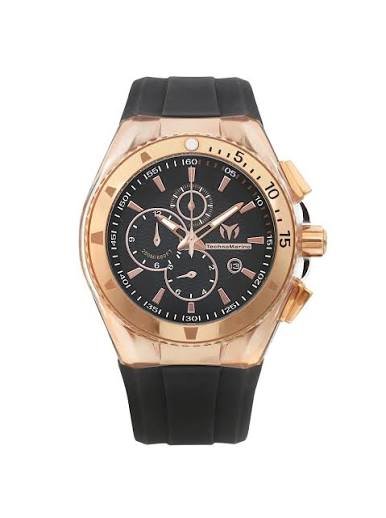
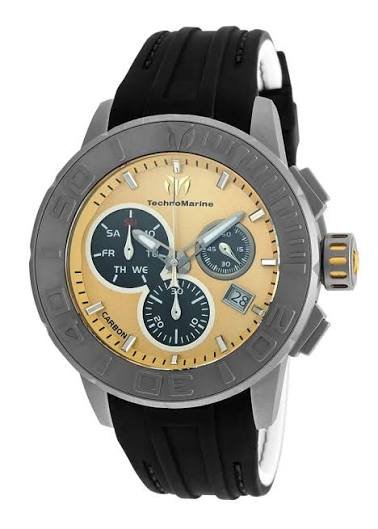
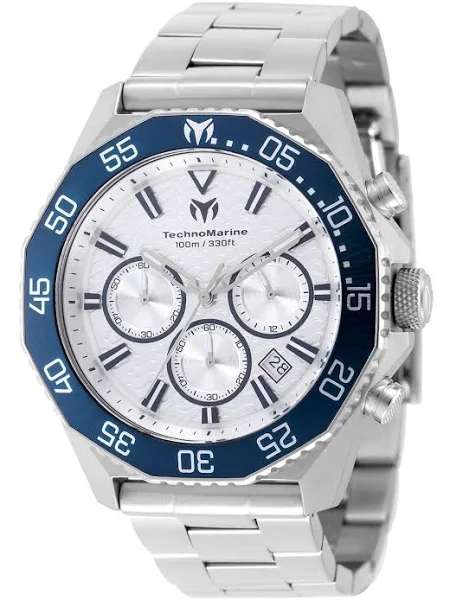
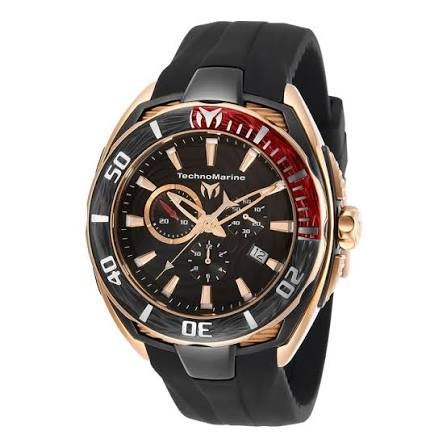
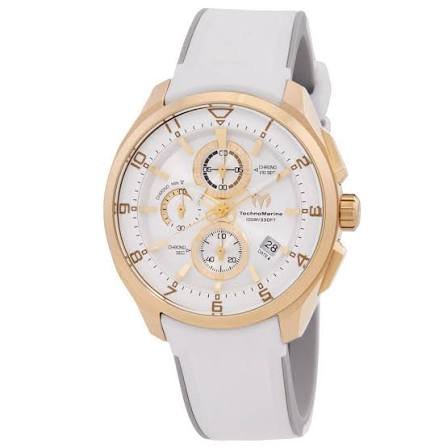
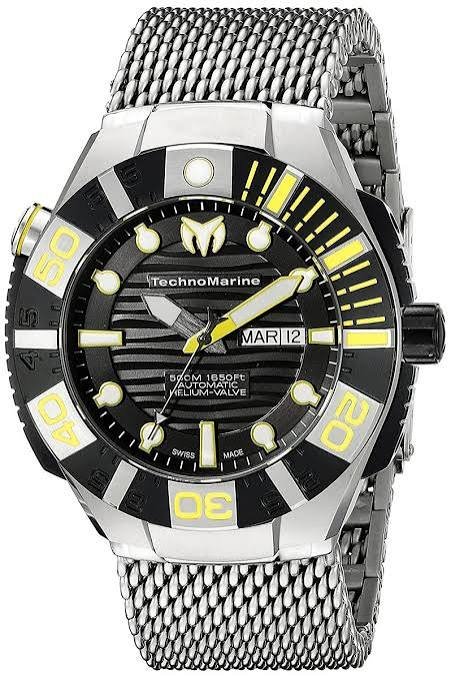
The illustrated models include watches with chronograph-style subdials and an automatic day-date example. Movement type, subdial functions and calibre vary by reference; confirm them from case-back and movement markings rather than appearance alone.
Identification checklist
Record case-back reference, dial logo, size, bezel, crown and pusher layout, strap or bracelet and movement markings. Check whether registers are chronograph, calendar or 24-hour displays. Compare the complete configuration with period catalogues.
Preservation guidance
Keep original straps, covers and bracelets with the watch. Avoid abrasive or harsh cleaning of rubber, plated metal and decorative finishes. Check batteries, seals and movement service as appropriate; test water resistance before use.
Historical development
TechnoMarine was founded in 1997. The brand’s early proposition brought sport-watch construction into a playful fashion setting, mixing chronograph dials and water-inspired cases with colour, jewellery cues and interchangeable styling. Its Raft era is remembered for turning a practical-looking sports watch into a bright accessory that could travel between beach and city.
The company’s present description of its history emphasizes bold design and luxury sports watches. The catalogue has taken many forms since the original concept: rubber-strap chronographs, metal-bracelet watches, rotating dive-style bezels, decorated cases and occasional automatic models. The eleven images here span that broad visual range. They are not evidence that every watch shown came from the founding period, nor that every dial or bracelet belongs to the same collection.
Design and identification
Chronograph registers, bold Arabic numerals, strong bezel markings and coloured accents are recurring themes. Several of these watches show multiple subdials and a date window; one has a visible day-date automatic inscription. Read the functions on the actual dial and check a reference before naming a specific calibre or collection. The case and strap can also change the appearance significantly, so the original combination is worth documenting.
For a catalogue record, photograph the front, back, crown, pushers, bracelet or strap, and any engraved reference. Record the diameter, movement markings and whether the subdials operate as chronograph counters, calendar indications or a 24-hour display. Similar case shapes appear in different colourways and technical specifications. A printed water-resistance value is a model claim at the time of manufacture, not a guarantee of its current seal condition.
Preserve original straps, covers and metal bracelets where possible, even if a replacement is fitted for wear. Avoid harsh cleaners on plated finishes, rubber and decorative surfaces. Have a watchmaker check batteries, seals and chronograph operation; test water resistance before exposure to water. An automatic example requires movement-specific service rather than a quartz battery change.