The Swiss chronograph specialist behind generations of famous watches
Valjoux
Valjoux was a specialist Swiss movement manufacturer whose chronograph ébauches powered watches from many different brands. Founded in the Vallée de Joux by the Reymond family, it became renowned for hand-wound column-wheel calibres such as the 22, 23 and 72 families. Its greatest long-term legacy is the automatic 7750, introduced in the 1970s and revived in the 1980s, which developed into one of the most widely used and adaptable mechanical chronograph architectures in modern watchmaking.
Abbady photographic archive
Valjoux photographs
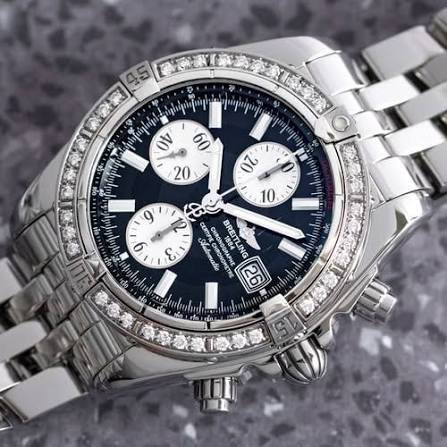
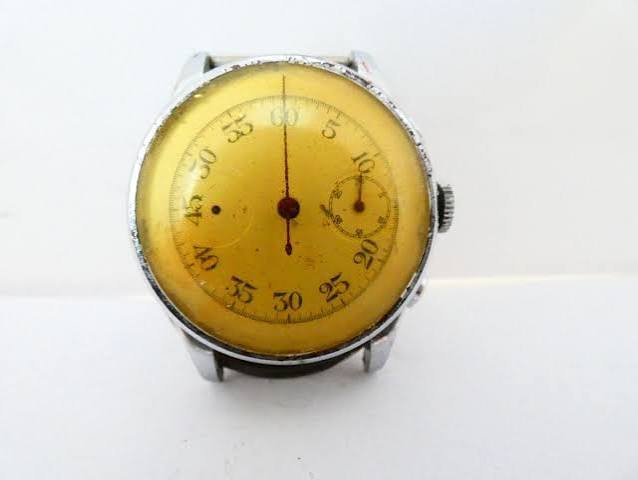
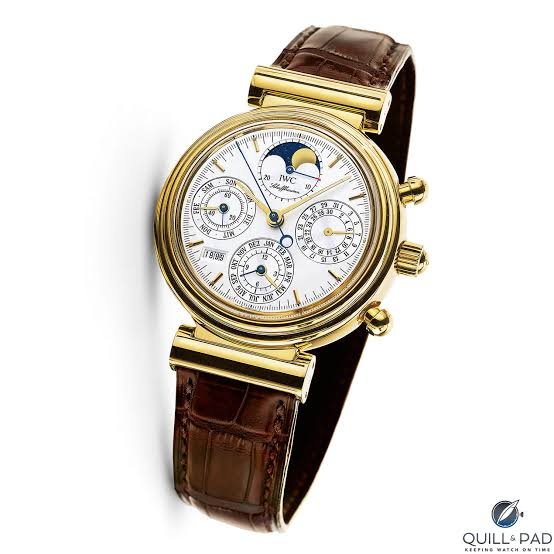
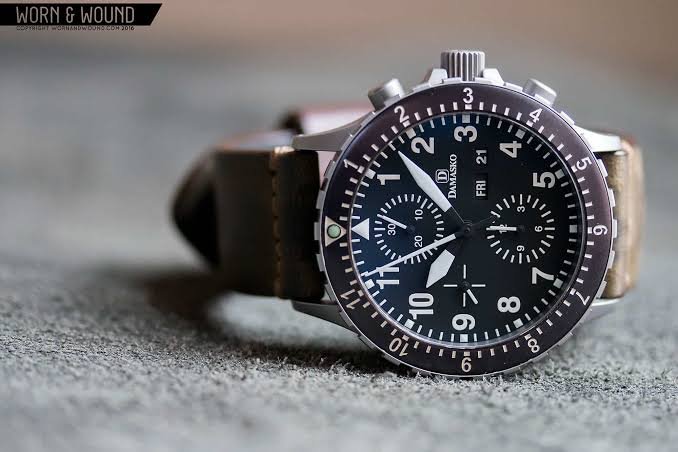
Origins and period
Les Bioux, Vallée de Joux, Switzerland
Founded by the Reymond family around 1901; later incorporated into ETA
Valjoux in watchmaking
Valjoux was a specialist Swiss movement manufacturer whose chronograph ébauches powered watches from many different brands. Founded in the Vallée de Joux by the Reymond family, it became renowned for hand-wound column-wheel calibres such as the 22, 23 and 72 families. Its greatest long-term legacy is the automatic 7750, introduced in the 1970s and revived in the 1980s, which developed into one of the most widely used and adaptable mechanical chronograph architectures in modern watchmaking.
Landmark dates
1901 — The Reymond family established the movement factory in Les Bioux in the Vallée de Joux
1910s — Early Valjoux hand-wound chronograph calibres helped establish the company’s specialist reputation
1930s — The Valjoux 72 family emerged as a durable three-register column-wheel chronograph platform
1944 — Valjoux became part of the Ebauches SA group
1960s — Valjoux expanded its calibre portfolio and absorbed important chronograph expertise from Venus
1973 — The automatic Valjoux 7750 was introduced after development led by Edmond Capt
1975 — Production of the 7750 was halted during the quartz crisis as mechanical-chronograph demand collapsed
1980s — Production resumed as the mechanical-watch revival created new demand for automatic chronographs
1983 — Ebauches SA and related companies became part of the organization that evolved into the modern Swatch Group
Today — ETA continues the 7750 architecture and related variants for numerous Swiss watch manufacturers
Known for
Hand-wound column-wheel chronograph calibres 22, 23, 71, 72, 92 and Valjoux 88; movements used in vintage Rolex, Heuer, Breitling, Universal Genève and many others; the automatic 7750 and 7751 families; cam-operated chronographs; the recognizable 6-9-12 register layout; and later integration into ETA.
Movements and innovation
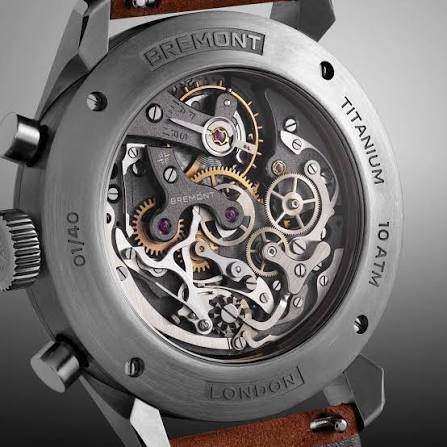
Valjoux first built its reputation with hand-wound, column-wheel chronographs, especially the compact two-register calibre 23 and the three-register calibre 72 family. The automatic 7750 took a different industrial approach: an integrated cam-operated chronograph, unidirectional automatic winding and a modular architecture suited to efficient production and modification. Modern ETA specifications list a 30 mm diameter, 7.9 mm height, 28,800 vibrations per hour, 25 jewels and approximately 54 hours of typical power reserve. The 7751 adds calendar and moon-phase indications, while many brands have used the base architecture for proprietary calibres and high complications.
Identification checklist
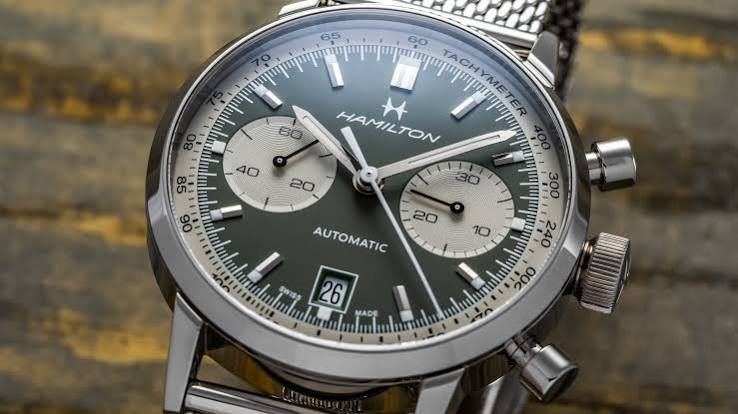
Valjoux is normally identified through the movement rather than the name on the dial. Inspect the calibre stamp beneath the balance or on the movement plate, the bridge layout, chronograph levers, column wheel or cam system, jewel count and movement diameter. The 7750 family commonly has subdials at 6, 9 and 12, with day and date at 3, but modified versions can differ substantially. Confirm the watch brand’s calibre designation because many companies rename or heavily modify ETA-Valjoux movements.
Preservation guidance
Chronograph movements require a specialist familiar with their exact calibre and brand modifications. Do not operate the calendar quick-set during the restricted hours specified for the movement, and avoid forcing pushers that feel resistant. Maintain water resistance only through proper gasket replacement and testing. Preserve original movement parts, rotors, bridges, pushers, dials and hands; document any replacement. Vintage Valjoux parts can be scarce, so prioritize sympathetic servicing over cosmetic refinishing.
Historical development
The movement company known as Valjoux became one of Switzerland’s most influential chronograph specialists. Its hand-wound column-wheel calibres powered watches across the industry, while the automatic 7750 family became one of the most widely used chronograph architectures in modern watchmaking.
References and credits
ETA — Official 7750 specifications ↗ETA — Official 7750 technical communication ↗ETA — Official 7751 specifications ↗Grail Watch Reference — ETA 7750 ↗Grail Watch Reference — ETA 7750 family ↗Monochrome — Fifty years of the Valjoux 7750 ↗Quill & Pad — Valjoux 7750 history and significance ↗