Swiss utility watches shaped by the spirit of the original Swiss Army Knife
Victorinox
Victorinox began in 1884 as Karl Elsener’s cutlery workshop in Ibach-Schwyz. After the Swiss Army Knife established the company’s international identity, Victorinox entered watchmaking in 1989 through its North American Swiss Army brand. The watch business later gained a stronger Swiss industrial base through the 2005 acquisition of Wenger and the consolidation of design, component production, assembly and testing at the Watch Competence Center in Delémont. Modern Victorinox watches translate the company’s practical tool-making philosophy into durable Swiss-made field, diving, sport and everyday timepieces.
Abbady photographic archive
Victorinox photographs
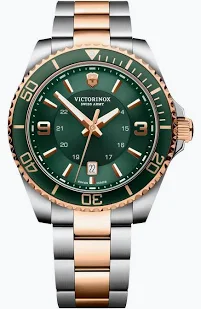
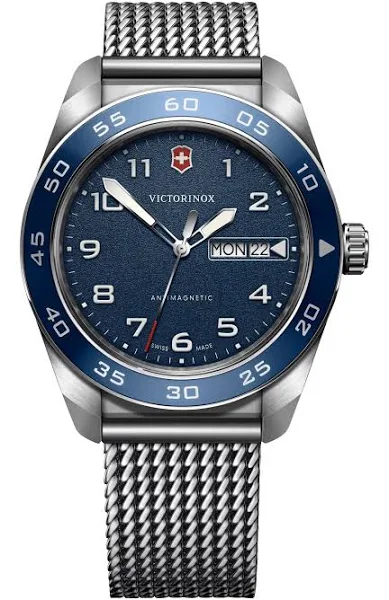
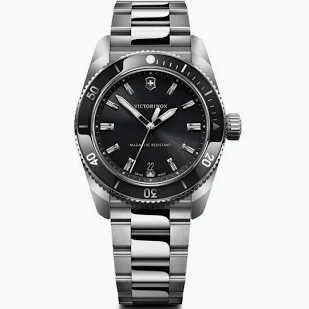


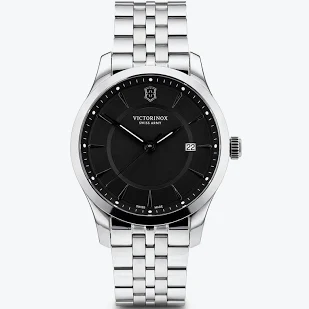
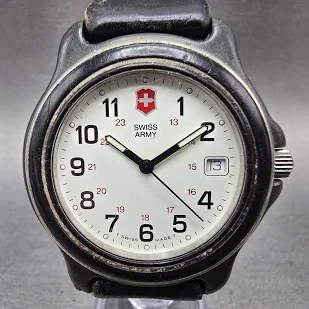

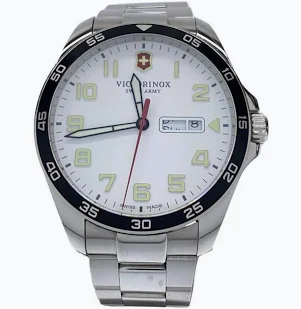
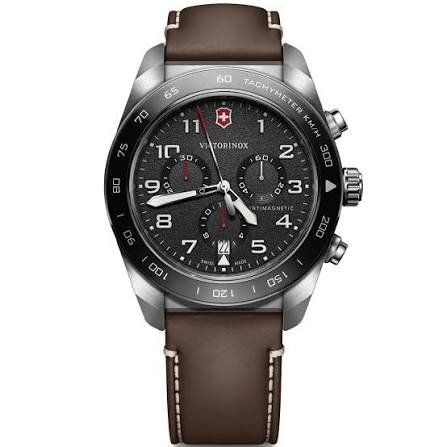
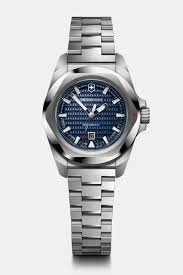
Origins and period
Ibach-Schwyz and Delémont, Switzerland
Company founded in 1884; watches introduced in 1989; produced today
Victorinox in watchmaking
Victorinox began in 1884 as Karl Elsener’s cutlery workshop in Ibach-Schwyz. After the Swiss Army Knife established the company’s international identity, Victorinox entered watchmaking in 1989 through its North American Swiss Army brand. The watch business later gained a stronger Swiss industrial base through the 2005 acquisition of Wenger and the consolidation of design, component production, assembly and testing at the Watch Competence Center in Delémont. Modern Victorinox watches translate the company’s practical tool-making philosophy into durable Swiss-made field, diving, sport and everyday timepieces.
Landmark dates
1884 — Karl Elsener I opened a cutler’s workshop in Ibach-Schwyz
1891 — Elsener organized the Association of Swiss Master Cutlers and helped supply soldier’s knives to the Swiss Army
1897 — The Original Swiss Officer’s and Sports Knife was patented
1909 — The Victoria name and Cross and Shield trademark were adopted
1921 — Victoria and the stainless-steel term Inox were combined to form the Victorinox name
1989 — Victorinox entered the watch market in North America under the Swiss Army brand
2005 — Victorinox acquired Wenger, the Delémont-based knife and watch manufacturer
2014 — The I.N.O.X. watch debuted for the company’s 130th anniversary after an extensive durability-testing program
2016 — Victorinox completed the expanded Watch Competence Center in Delémont
Today — Victorinox designs, assembles and tests Swiss-made quartz and mechanical watches in Delémont
Known for
Swiss Army watches; the red Cross and Shield emblem; practical field and sport designs; I.N.O.X. durability; Maverick, Alliance, Journey 1884 and Swiss Army collections; quartz and automatic Swiss movements; anti-magnetic and shock-resistant construction; and the Delémont Watch Competence Center.
Movements and innovation
Victorinox uses Swiss-made quartz and mechanical movements from established suppliers including Ronda and Sellita, then cases and tests them in Delémont. Its watchmaking identity emphasizes reliability rather than in-house movement manufacture: legibility, stainless-steel construction, water resistance, anti-magnetic protection, shock resistance and practical complications such as date, day-date, chronograph and rotating timing bezels. The I.N.O.X. family became the clearest expression of this approach, combining bold case protection with demanding impact, temperature, vibration and endurance testing.
Identification checklist
Confirm the Victorinox Cross and Shield emblem, the Victorinox or older Swiss Army wording, Swiss Made marking, reference and serial numbers on the case back, and the exact dial, bezel and bracelet configuration. Check the movement calibre and case-back markings against official documentation because similarly styled models exist in several sizes, generations and quartz or automatic versions. Earlier pieces may carry Swiss Army branding more prominently, while modern watches generally emphasize Victorinox.
Preservation guidance
Use a qualified watchmaker for movement service, pressure testing and chronograph repair. Replace batteries promptly in quartz models to reduce leakage risk, and renew seals whenever the case is opened. Do not operate the crown, pushers or rotating bezel underwater unless the specific model is designed for it. Rinse salt or chlorine from water-resistant watches with fresh water, preserve original dials, hands, bezels, bracelets and signed crowns, and avoid aggressive case polishing that removes factory edges or identification marks.
Historical development
Karl Elsener founded the cutlery workshop that became Victorinox in 1884. After supplying the Swiss Army and establishing the Cross and Shield trademark, the family company expanded its practical design philosophy into Swiss Army timepieces in 1989.
References and credits
Victorinox — Official company history ↗Victorinox — The legacy of Victorinox watches ↗Victorinox — Beyond Swiss Made and the Delémont Watch Competence Center ↗Victorinox — Current watch collections ↗Federation of the Swiss Watch Industry — Victorinox Watch Competence Centre ↗GQ — The Victorinox I.N.O.X. and its durability program ↗Swiss Federal Department of Foreign Affairs — History of the Swiss Army Knife ↗