French professional watches for diving, racing, sailing, aviation and space
Yema
Founded in Besançon by Henry-Louis Belmont in 1948, Yema became one of France’s leading watch exporters and created specialized watches for diving, motorsport, sailing, aviation and exploration. Its Superman, Rallygraf, Yachtingraf and Spationaute lines established a distinctive French tool-watch tradition that the modern company continues from Morteau.
Abbady photographic archive
Yema photographs



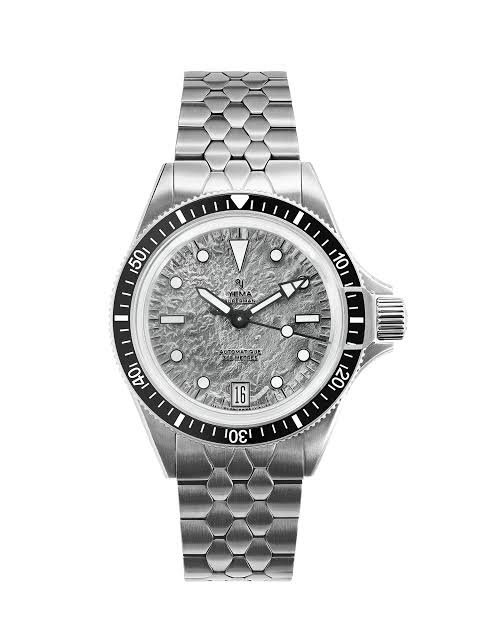
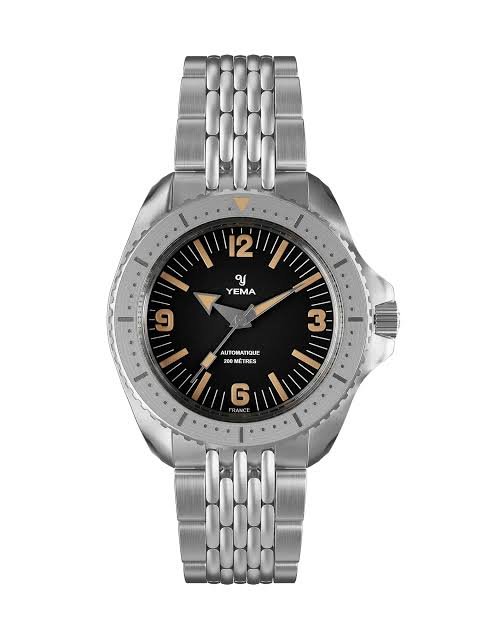
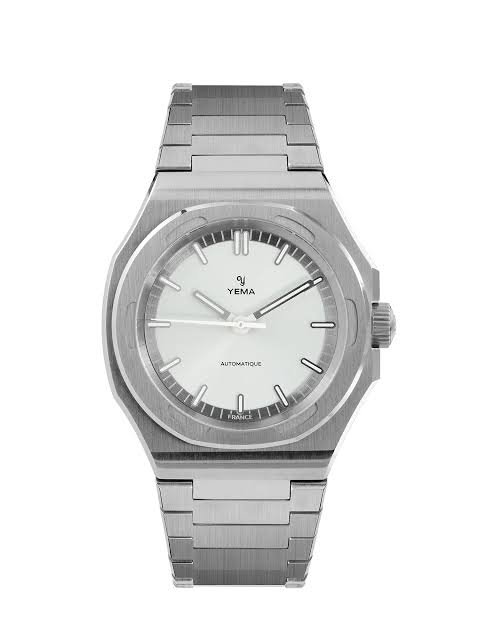
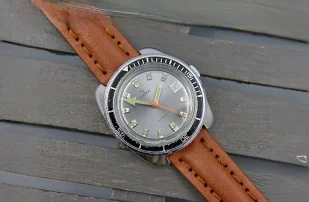

Origins and period
Besançon and Morteau, France
Founded in 1948; modern revival under Montres Ambre since 2009
Yema in watchmaking
Founded in Besançon by Henry-Louis Belmont in 1948, Yema became one of France’s leading watch exporters and created specialized watches for diving, motorsport, sailing, aviation and exploration. Its Superman, Rallygraf, Yachtingraf and Spationaute lines established a distinctive French tool-watch tradition that the modern company continues from Morteau.
Landmark dates
1948 — Henry-Louis Belmont founds Yema in Besançon, France.
1963 — Yema introduces the Superman dive watch with its distinctive bezel-locking system.
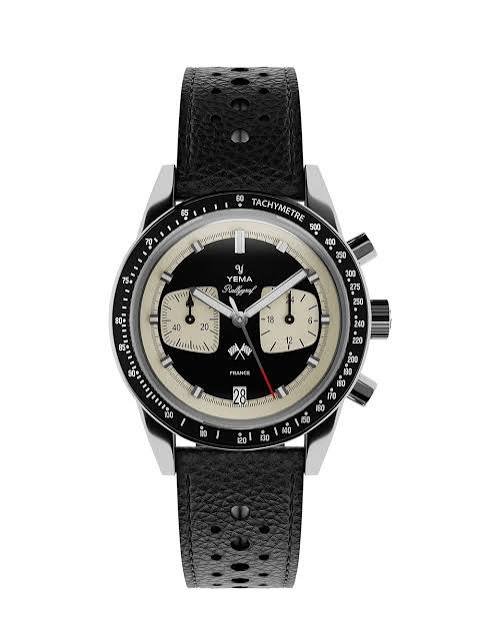
1966 — The Rallygraf motorsport chronograph and Yachtingraf sailing chronograph enter the collection.
1966–1968 — Yema ranks among France’s leading watch exporters.
1982 — Jean-Loup Chrétien wears the Spationaute I—the first French watch in space.
1985 — Patrick Baudry wears the Spationaute II aboard Space Shuttle Discovery.
1986 — Yema develops an expedition watch for Jean-Louis Étienne’s North Pole journey.
2009 — Montres Ambre acquires Yema and begins rebuilding the brand in Morteau.
2020s — Yema expands its French proprietary and manufacture-calibre programme.
Known for
Superman dive watches; Rallygraf motorsport chronographs; Yachtingraf regatta timers; Spationaute space watches; Wristmaster sports watches; French design and movement development.
Movements and innovation
Historic models used French, Swiss and Japanese mechanical or quartz calibres according to period and reference. The Superman’s bezel-locking device became Yema’s best-known functional feature. Modern Yema has developed proprietary automatic movements and manufacture calibres designed and assembled in France.
Identification checklist
Record the exact dial signature, case-back reference, movement calibre and case dimensions; compare bezel, crown, hands and dial with period-correct examples; inspect the Superman bezel-locking mechanism when applicable; note France, Made in France or Fabriqué en France markings without relying on them alone.
Preservation guidance
Avoid aggressive polishing, especially on angular cases and engraved backs. Preserve original bezels, dial furniture, crowns and bracelet components. Service vintage mechanical calibres through a watchmaker familiar with French movements. Replace quartz batteries promptly, and pressure-test all dive watches before water exposure.
Historical development
Yema was founded in 1948 in Besançon by Henry-Louis Belmont, a watchmaker trained at the city’s National Watchmaking School. From the beginning, the company combined French design with industrial-scale production. By the 1960s, Yema had become one of France’s largest and most widely exported watch brands, creating watches for professional and sporting use rather than limiting itself to conventional dress models.
Professional watches and French design
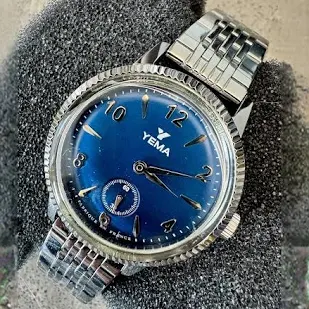
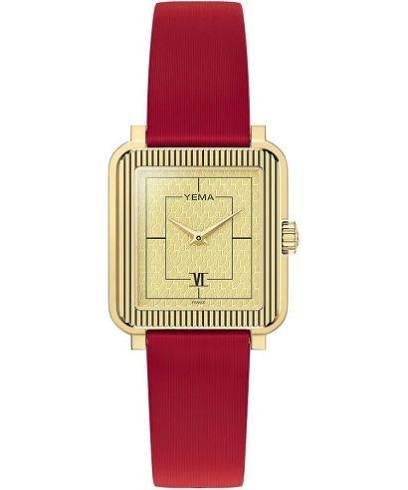
Yema built its reputation through specialized watches for diving, motor racing, sailing, aviation and exploration. Its designs were often bold, highly legible and technically purposeful. Vintage examples range from compact dress watches and colourful mid-century dials to rugged tool watches with luminous markers, rotating bezels and chronograph scales. This variety remains central to Yema’s identity.
The Superman and other icons
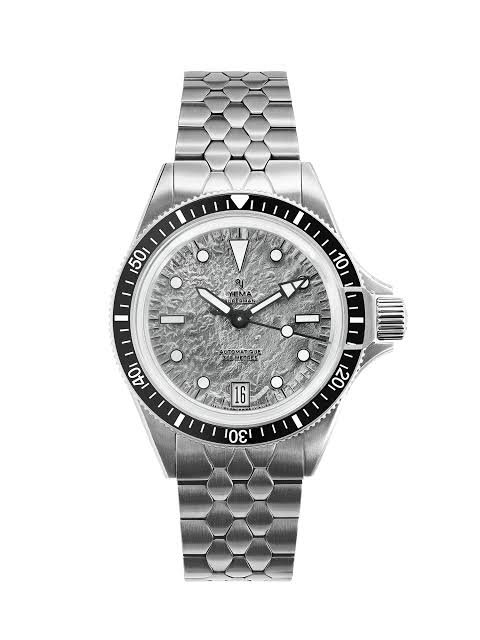
Introduced in 1963, the Superman became Yema’s defining dive watch. Its distinctive bezel-locking device helped prevent accidental movement of the rotating bezel, and later versions were associated with French military aviation. In 1966, Yema introduced the Rallygraf for motor racing and the Yachtingraf for competitive sailing. The Wristmaster, Flygraf and numerous Sous-Marine references further broadened the catalogue.
Space and exploration
Yema’s most celebrated achievement came in 1982, when French astronaut Jean-Loup Chrétien wore the Spationaute I during the Salyut 7 mission. It became the first French watch worn in space. Patrick Baudry later wore the Spationaute II aboard the Space Shuttle Discovery in 1985. Yema also developed expedition watches, including models connected with Jean-Louis Étienne’s 1986 North Pole journey.
Ownership and revival
The brand passed through several owners during the quartz era, including Matra and the Hattori-Seiko group. In 2009, Yema joined Montres Ambre, a family-owned French watchmaking group in Morteau. The revived company returned to historic collections while investing in French movement development and watchmaking infrastructure in the Jura region.
Movements and contemporary production
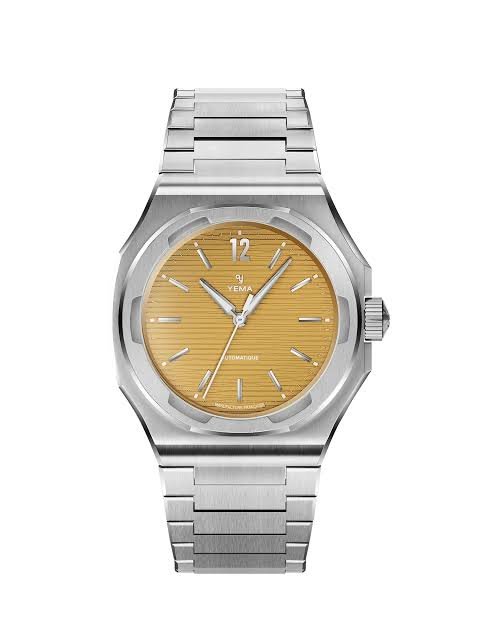
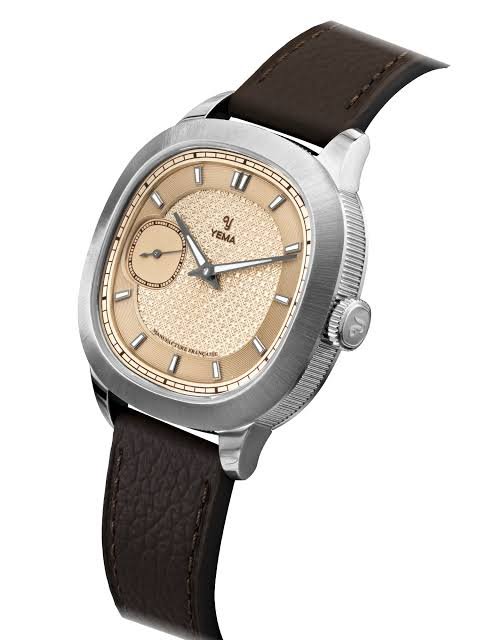
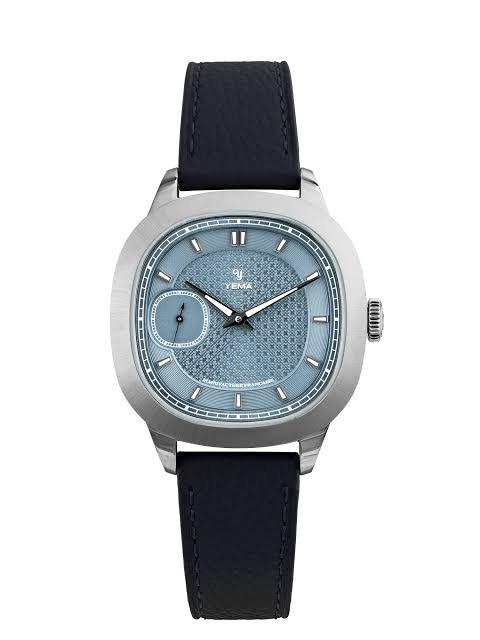
Historic Yema watches used a wide range of French, Swiss and Japanese mechanical or quartz calibres, depending on period and model. Modern Yema has developed proprietary automatic movements and, more recently, manufacture calibres designed and assembled in France. Contemporary collections combine heritage designs—including the Superman, Rallygraf, Yachtingraf and Wristmaster—with new integrated-bracelet sports watches, dress models and professional instruments.
Collecting and identification
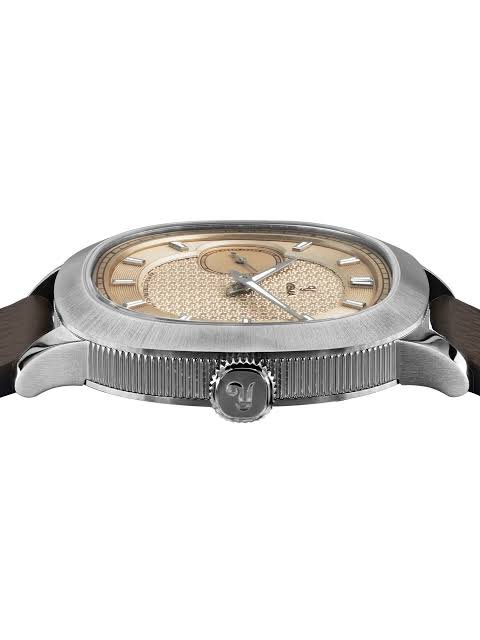
Accurate identification requires the dial signature, case-back reference, movement calibre and dimensions. Vintage Yema references often appeared in numerous dial and bezel combinations, and some were sold under different names in export markets. Collectors should check that bezels, crowns, hands and dials match the case reference and period. “France,” “Made in France” and “Fabriqué en France” markings vary by era and should be interpreted alongside the movement and case.
Legacy
Yema’s importance lies in its distinctively French approach to practical watchmaking. The brand connected mass-market production with serious professional ambitions and created watches that travelled underwater, around racetracks, across oceans, into polar regions and into space. Its modern revival preserves that adventurous identity while rebuilding domestic movement expertise.